Goals
Gallery LG33 is not one civilization — it is five thousand years of Andean cultures, each with a distinct visual language. Students will not study all of them. Instead, they will work like designers on location: moving through the gallery with a collection brief, gathering observations on palette, pattern, and form that can feed into original creative work.
Introduction
Unlike the Maya (who encoded myth in narrative paintings), Andean cultures encoded meaning in structure — the geometry of a textile, the proportion of a vessel, the material choice of gold vs. silver.
What is Pre-Columbian?
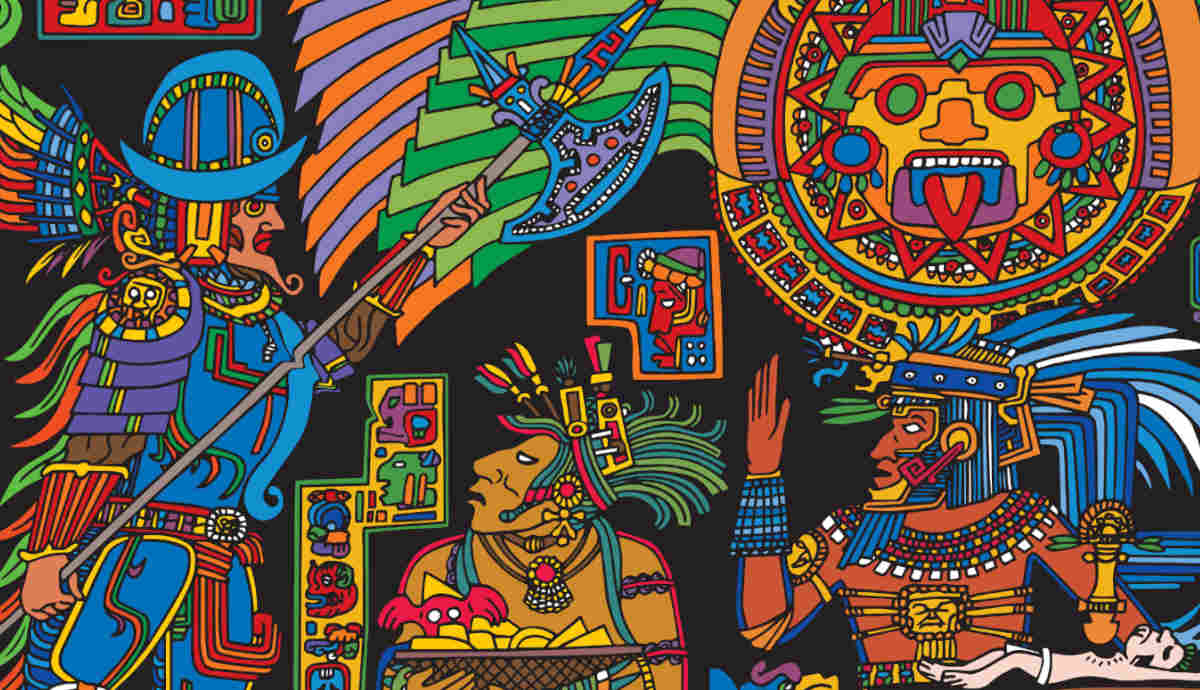
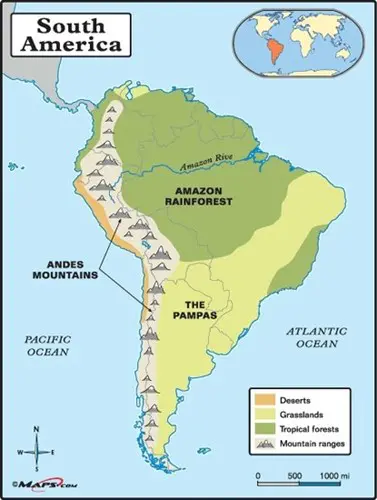
It refers to everything that happened in North, South, and Central America before European contact. It spans roughly 15,000 years of human history — from the first migrations of people into the Americas to the moment of European contact. That includes civilizations as different from each other as the Maya, the Inca, the Olmec, the Aztec, the Nazca, the Moche, the Tiwanaku, the Mississippian mound-builders, and hundreds more.
Andean artists didn't think of patterns as decoration. Every repeat was a system — a way of encoding identity, power, and cosmic order into cloth. The Inca tocapu grid was a visual language; a textile could tell you who someone was, where they came from, and what rank they held. When you design a repeat today, you're doing exactly what Andean weavers did: turning one motif into a rule, and a rule into a world.
Pattern Design
What repeats? Mark the smallest unit that could tile or print as a repeat pattern. That unit is your motif.
- What is a motif?
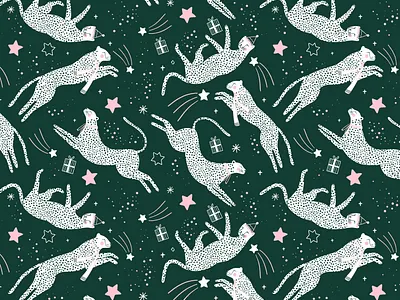
The single repeating unit —
the basic shape or image
that becomes the building
block of a pattern.
- Border Repeat
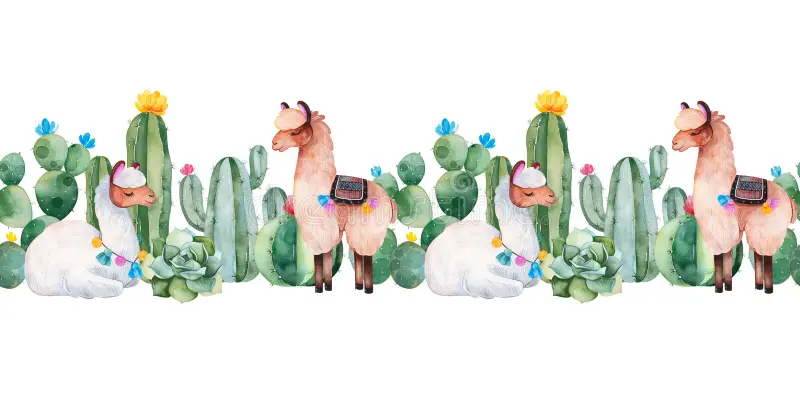
A motif repeated in ONE
direction — left to right —
forming a strip or band.
- All-over Repeat
A motif repeated in BOTH
directions — up/down and
left/right — filling a surface.
Gold
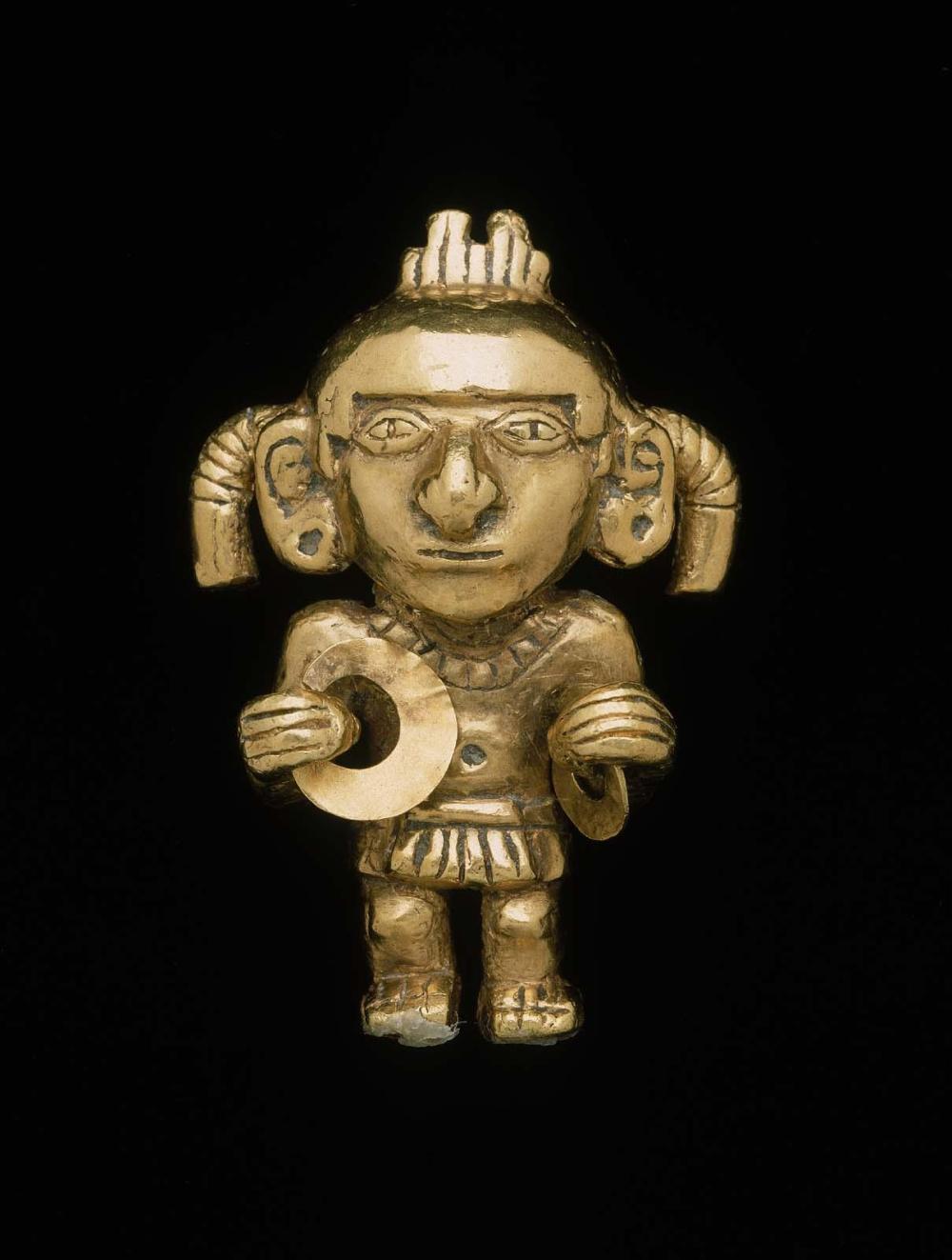
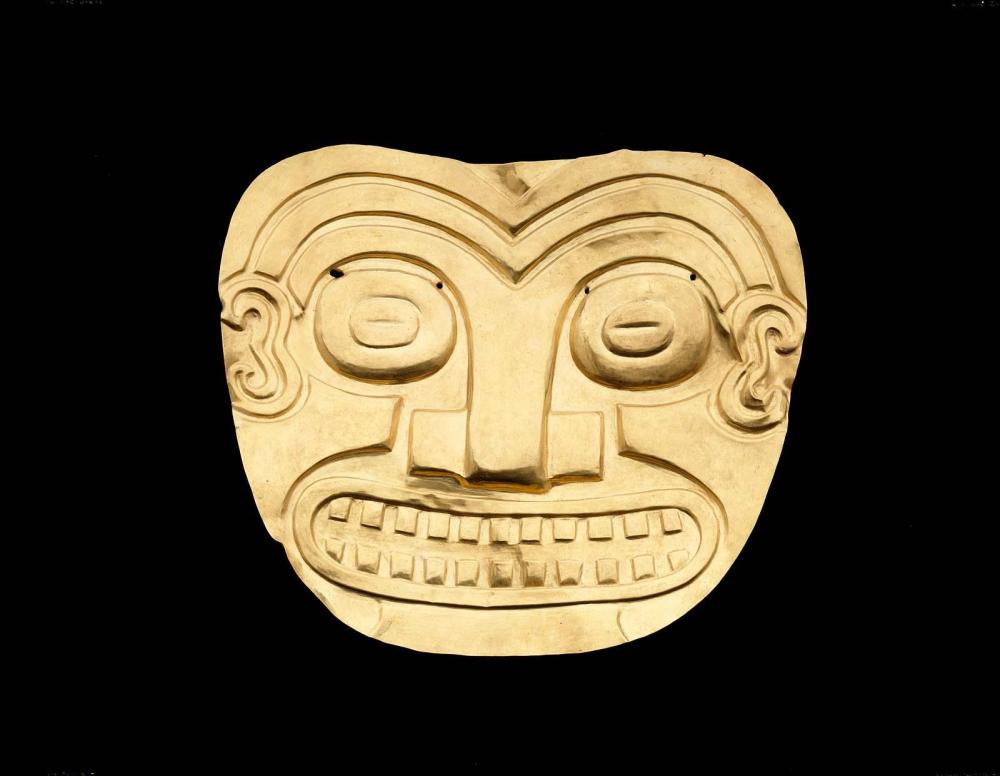
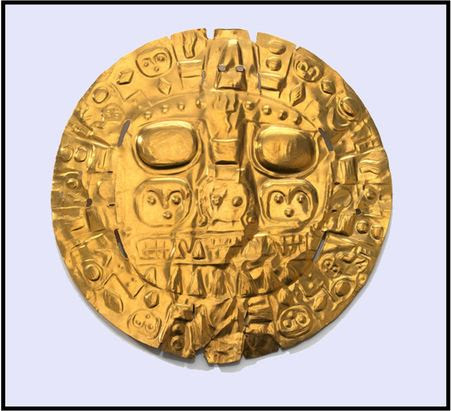
The surface is hammered, not cast — look for the slight texture and irregularity that comes from hand-shaping sheet metal. The features are simplified to the point of abstraction. Notice how little information is needed to read it as a face.
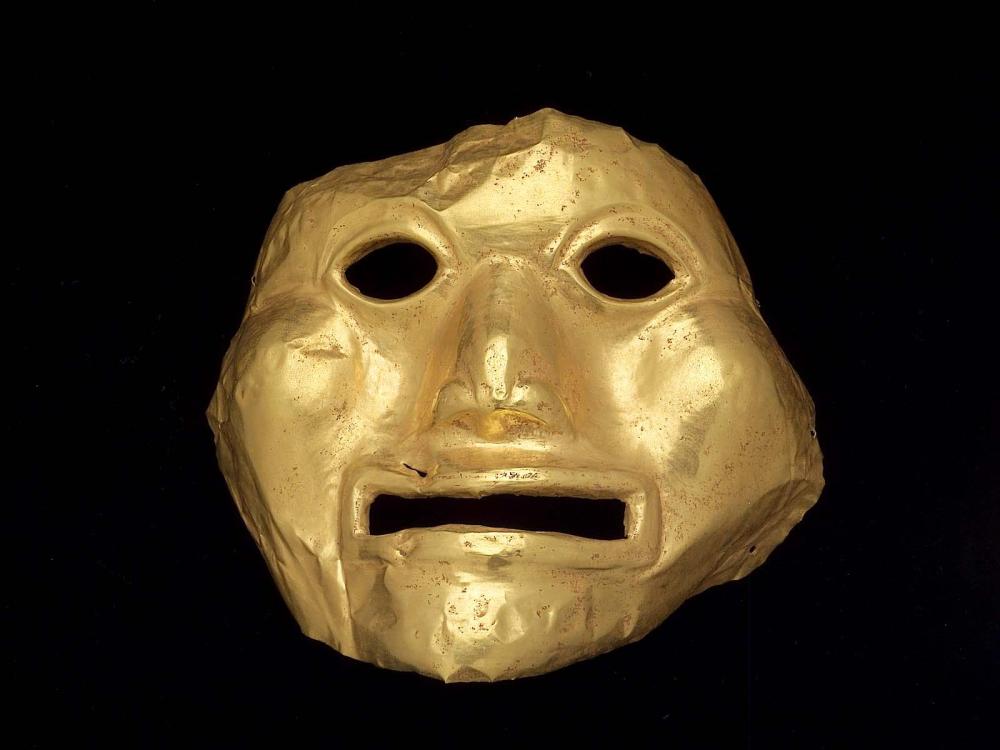
Hammered sheet gold burial mask. The Calima culture of Colombia's southern highlands is renown for its outstanding gold artworks. The region's rivers were rich in placer gold, and the Calima people were famous for their sumptuous use of nearly pure gold objects as personal adornments. This life-like mask, made from hammered sheet gold, likely was tied onto a mummy bundle and served as the face of the deceased.
gold = sun = male; silver = moon = female in Inca cosmology
The Sapa Inca
the Spanish saw gold as money and melted almost everything down. The Andean peoples saw gold as something sacred, and losing it meant losing a connection to the divine.
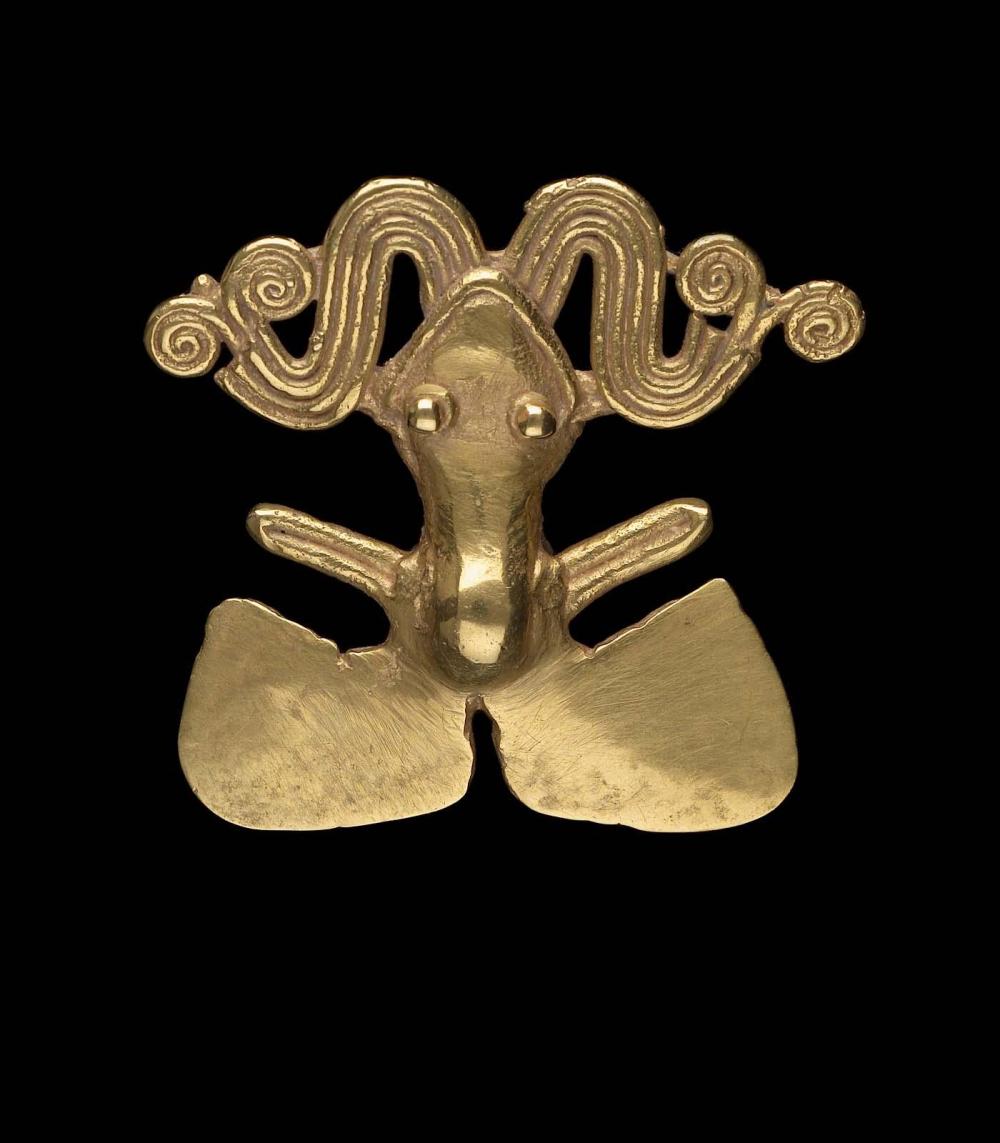
Frog effigy pendant,Diquís or Chiriquí,A.D. 700–1550
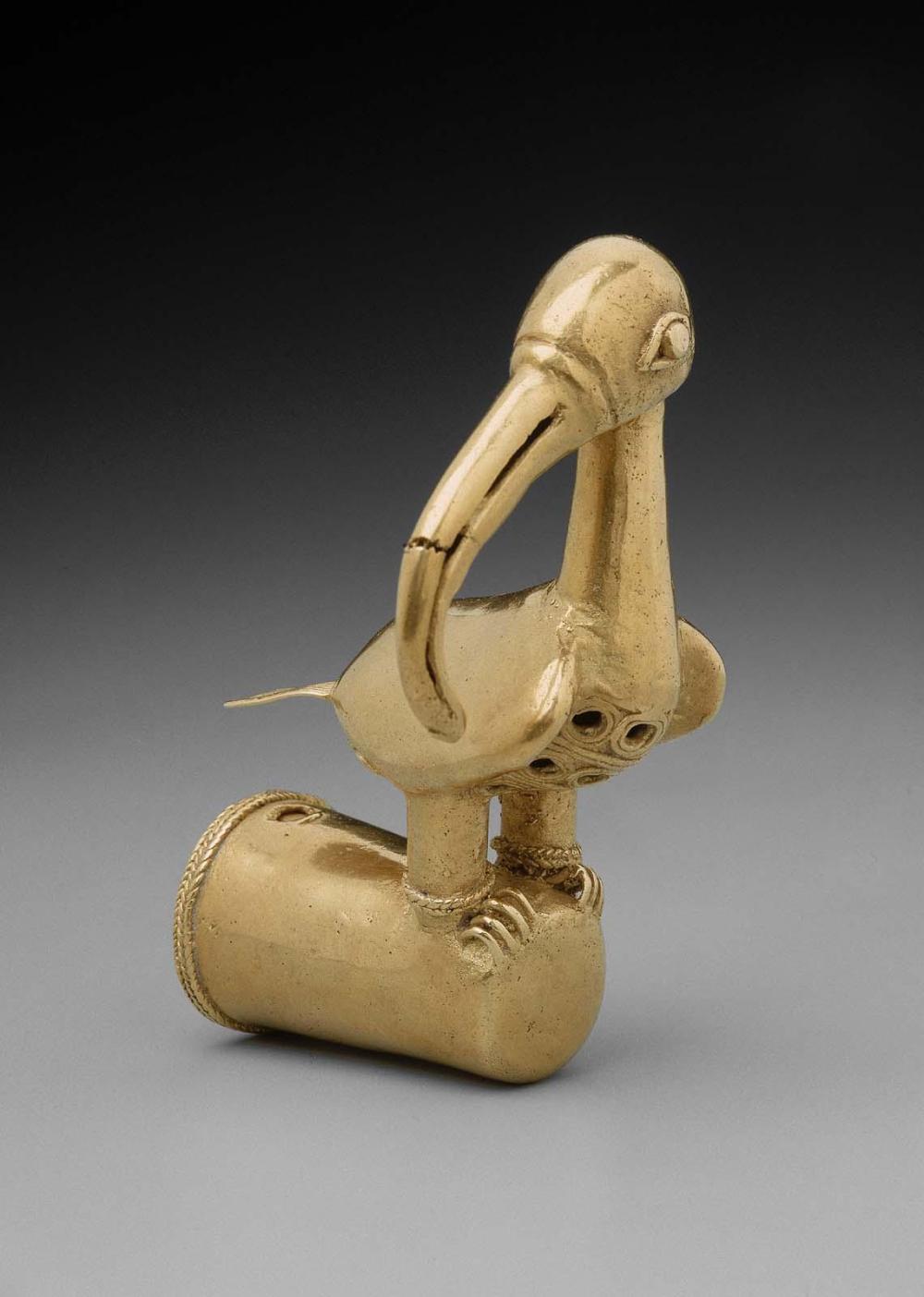
raptorial birds and water birds were messengers of the god
Toads and frogs were doorways to supernatural experiences
The stepped fret (greca) — the staircase shape found on textiles and metalwork represents the connection between earth and sky.
The llama — not just an animal but the engine of the Inca empire. Its silver color (moon-silver) places it in the feminine, lunar, pastoral world.
Fabrics
Inca
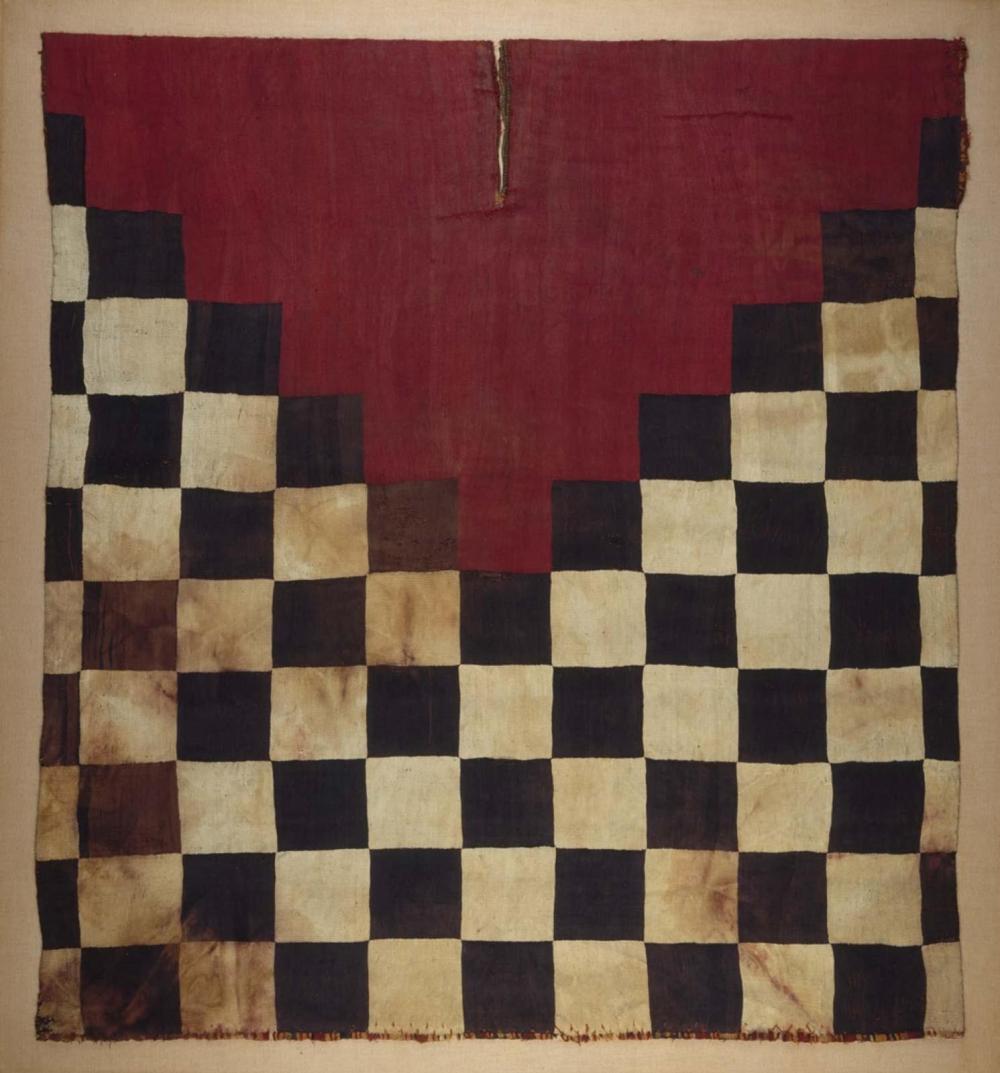
Complete wool poncho woven in tapestry technique; checkerboard design of black and white squares with deep stepped yoke of dark red; edges finished with embroidery in red, yellow, and black wool.
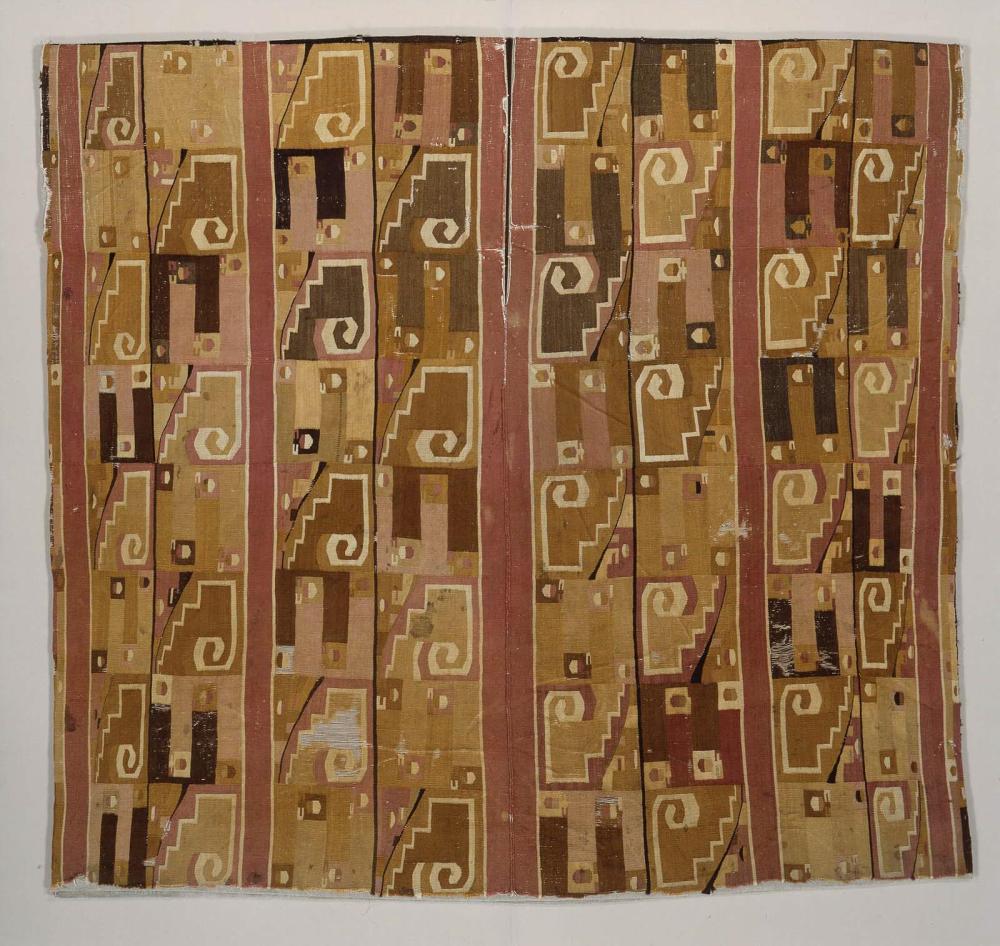
Cotton warp, wool weft. Design of six columns with alternative squares (A) outlined step fret in one half of square divided on the diagonal, abstracted profile face with characteristic split-eye in other half (lateral expansion toward tunic center makes fret half large, face half small). (B) highly abstracted four animal heads on two U-shaped bodies, with characteristics split eyes. Background columns red-purple. Other colors include natural tans, browns and white, dyed pink and blue-green (one instance).
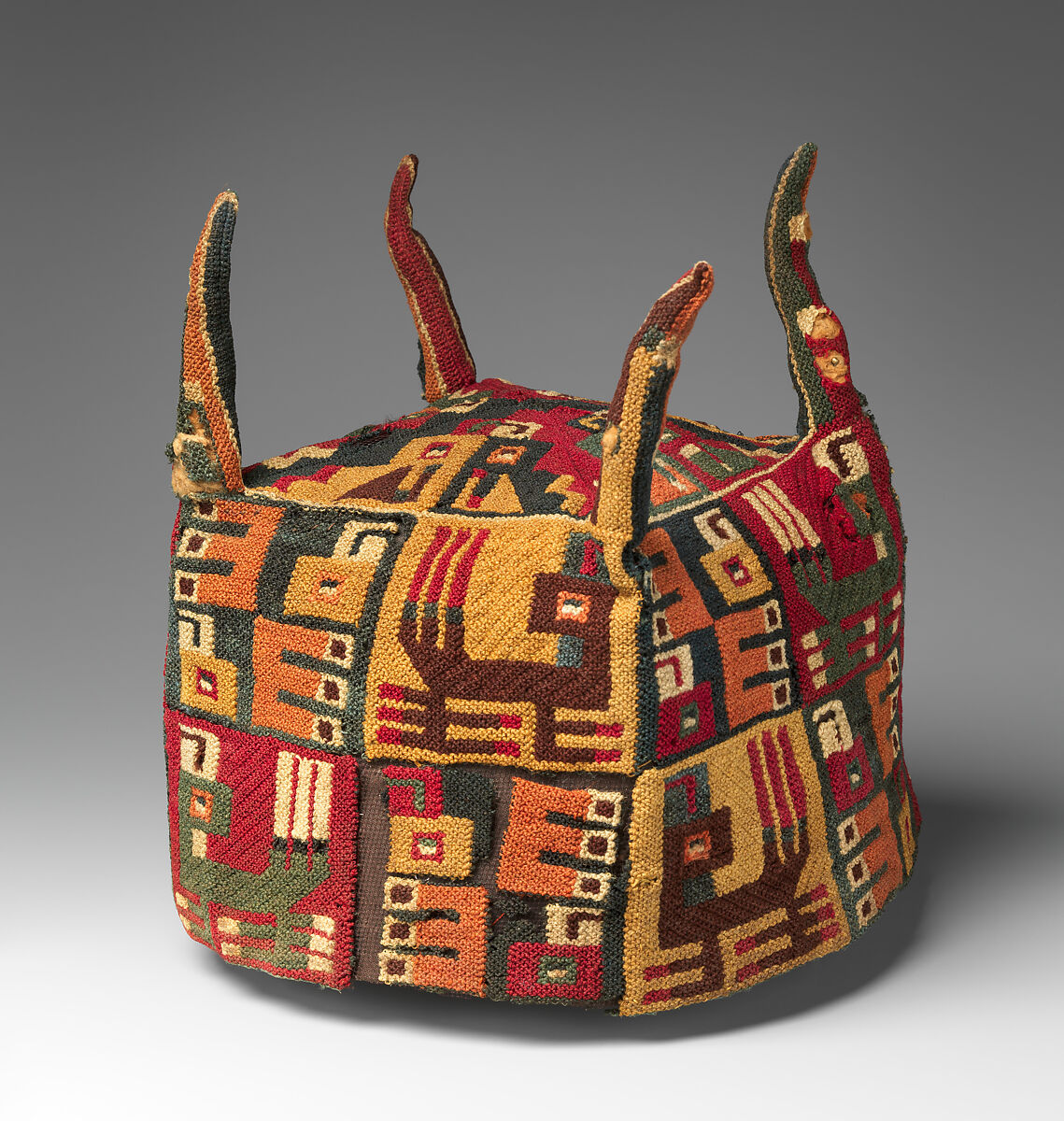
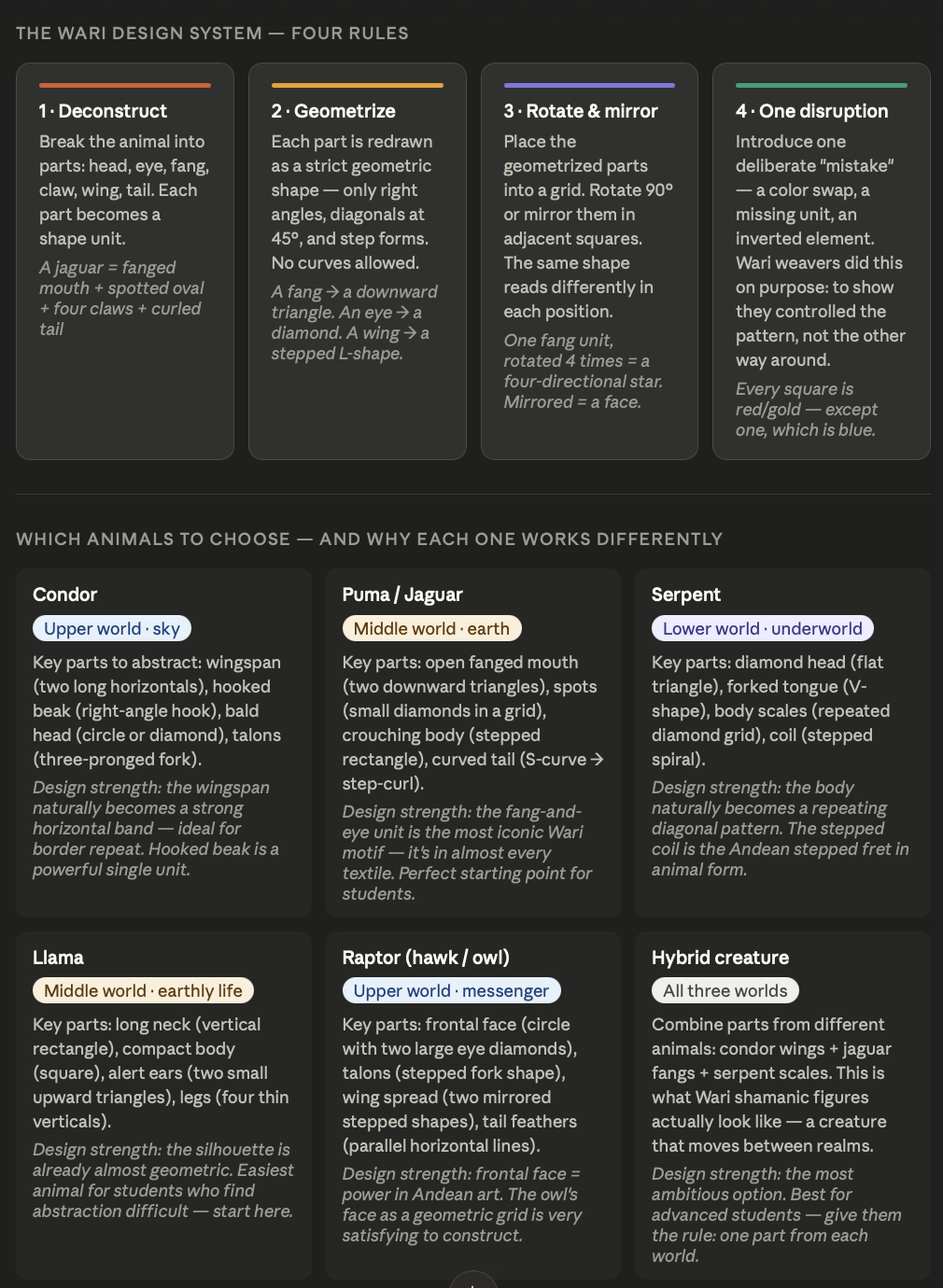
Andean textiles are the most technically complex fabrics ever made — the finest Inca examples contain up to 120 weft threads per centimeter, more than any European fabric. But complexity of technique doesn't mean complexity of image: the design language is radically geometric. Horizontal bands of color, stepped fret patterns (staircases going up and down), and repeating animal or human figures reduced to pure geometry. In the Inca system, each woven square (tocapu) carried a meaning — rank, region, clan — making the garment a wearable data system.
Books and videos!
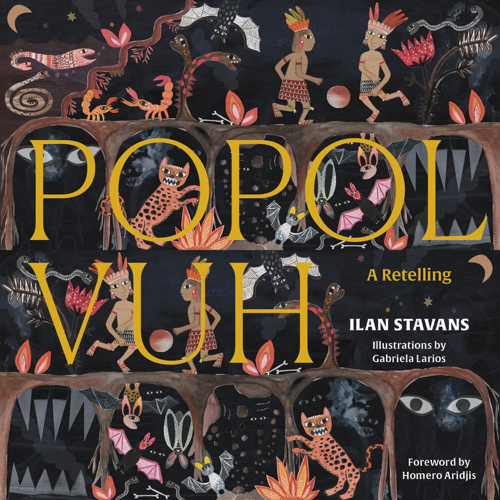 Shared in class
Arte de las tres lenguas kakchiquel, quiché y tzutuhil · Newberry Library
The possibly the earlist surviving copy transccribed between 1700 and 1715 by priest Francisco Ximénez now at ‣ in Chicago