Introduction
"How do people use stories, images, and symbols to make sense of life, death, and the universe — and what can ancient objects tell us about those beliefs today?"
LEARNING OBJECTIVES
- Describe the Popol Vuh and explain its significance to the ancient Maya
- Know Maya gods and their visual identities
- How to conduct visual research?
Shape
What are the basic forms? Ignore meaning — just geometry. Circles? Spirals? Curves? Repeating lines?
Pattern
What repeats? Mark the smallest unit that could tile or print as a repeat pattern. That unit is your motif.
If you were to describe the birth of the world, how would you draw it?
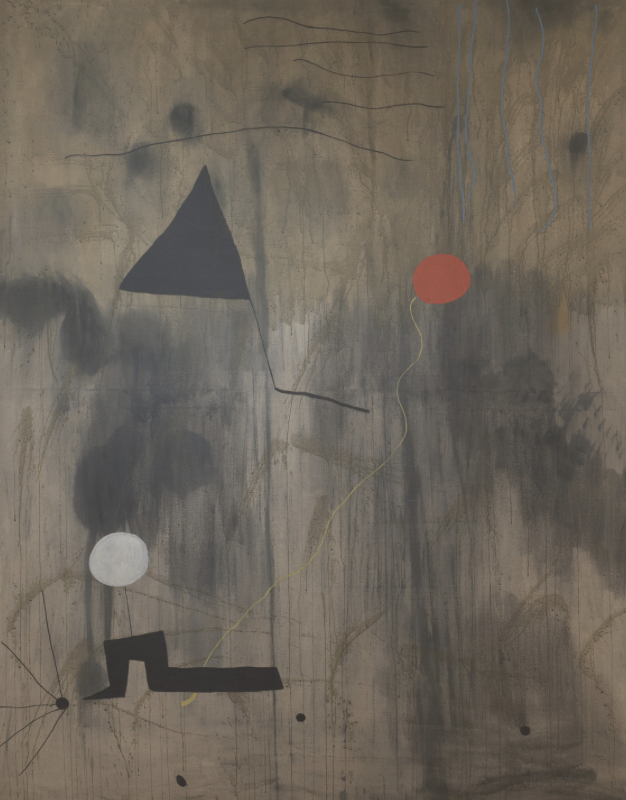
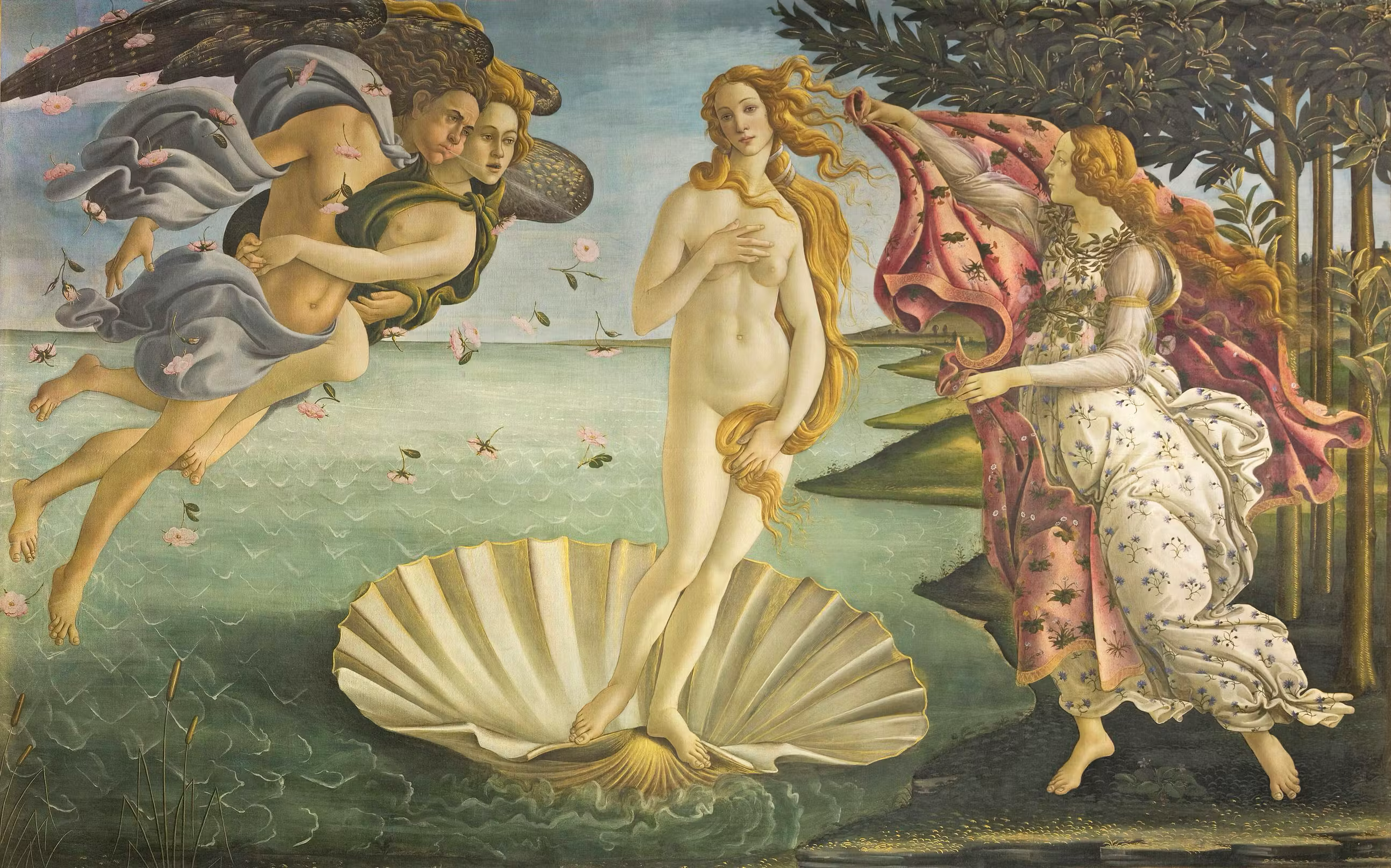
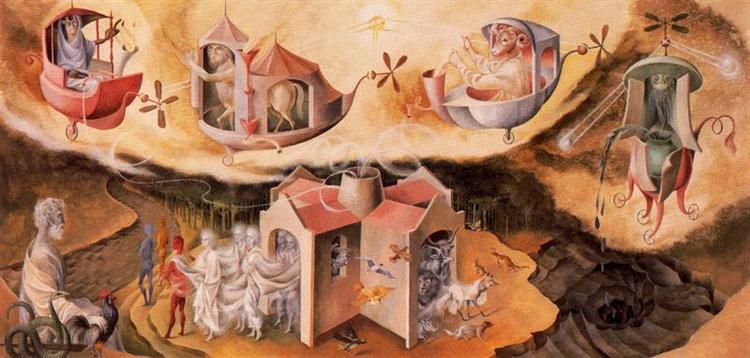
The Popol Vuh
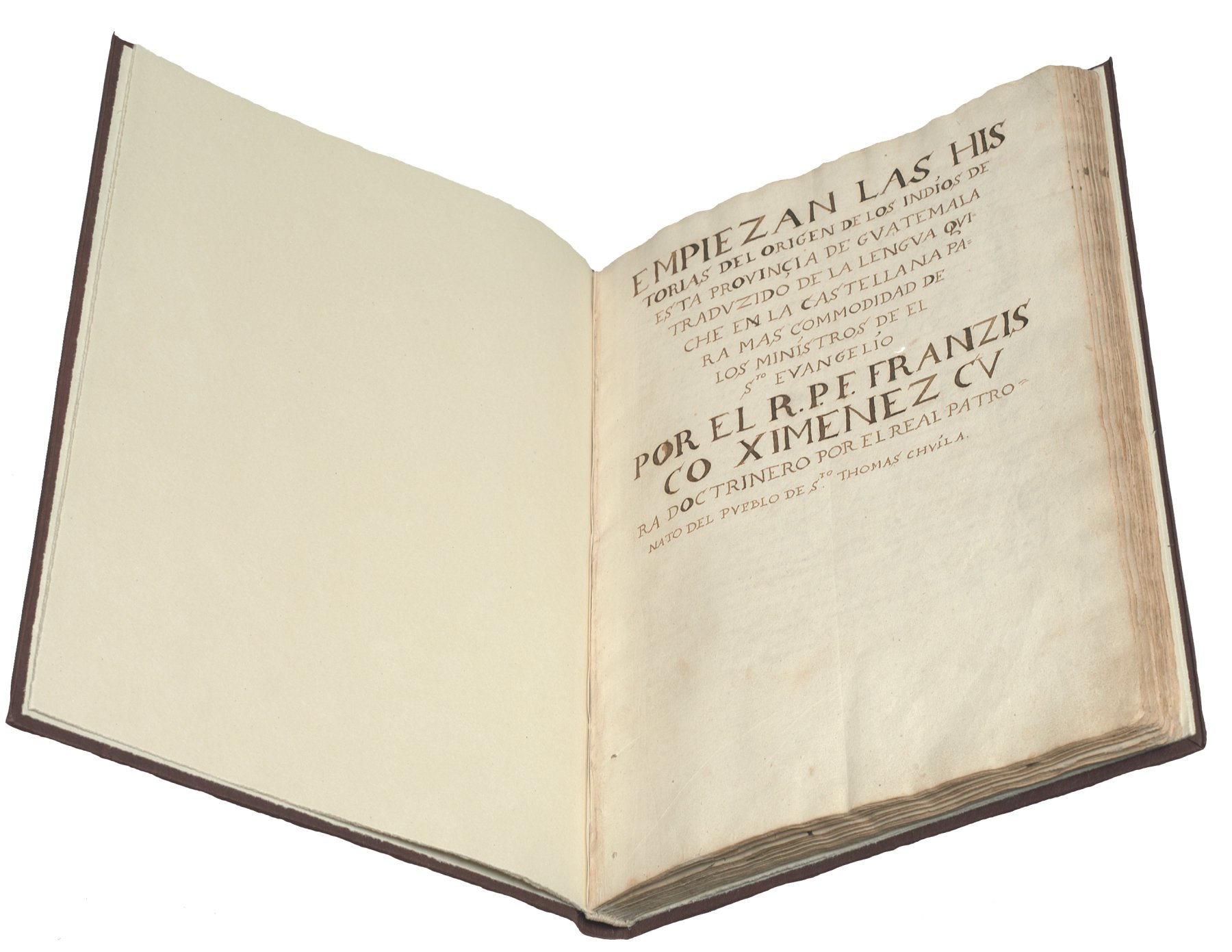
The Popol Vuh has been referred to by some as the Maya Bible, while the names given to the book by the K’iche’ lords have been variously rendered in English as the Book of Council, Book of the Community, Book of the People, The Light That Came from Beside the Sea, Our Place in the Shadows and The Dawn of Life.
Maya Gods (Gallery LG32)
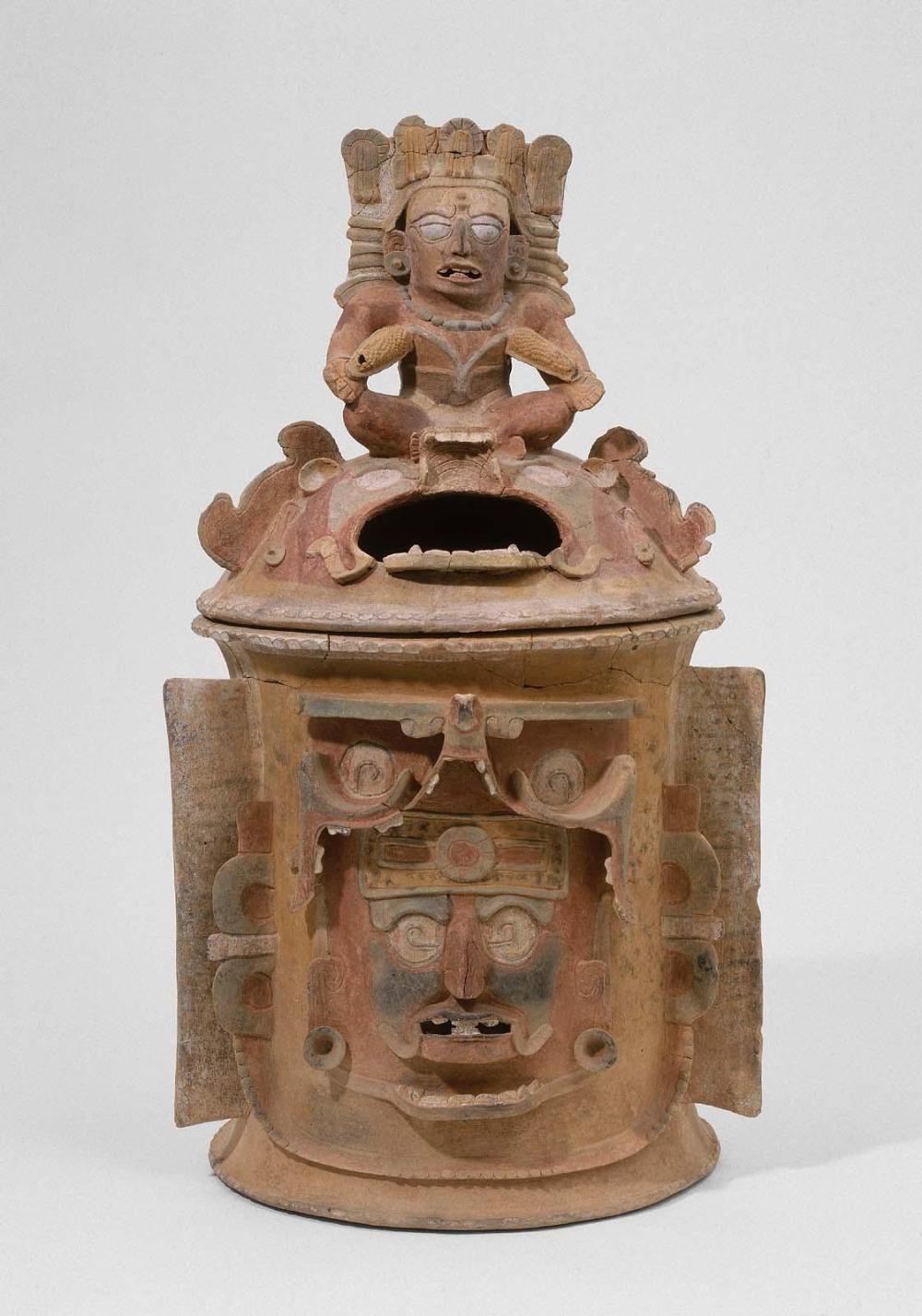
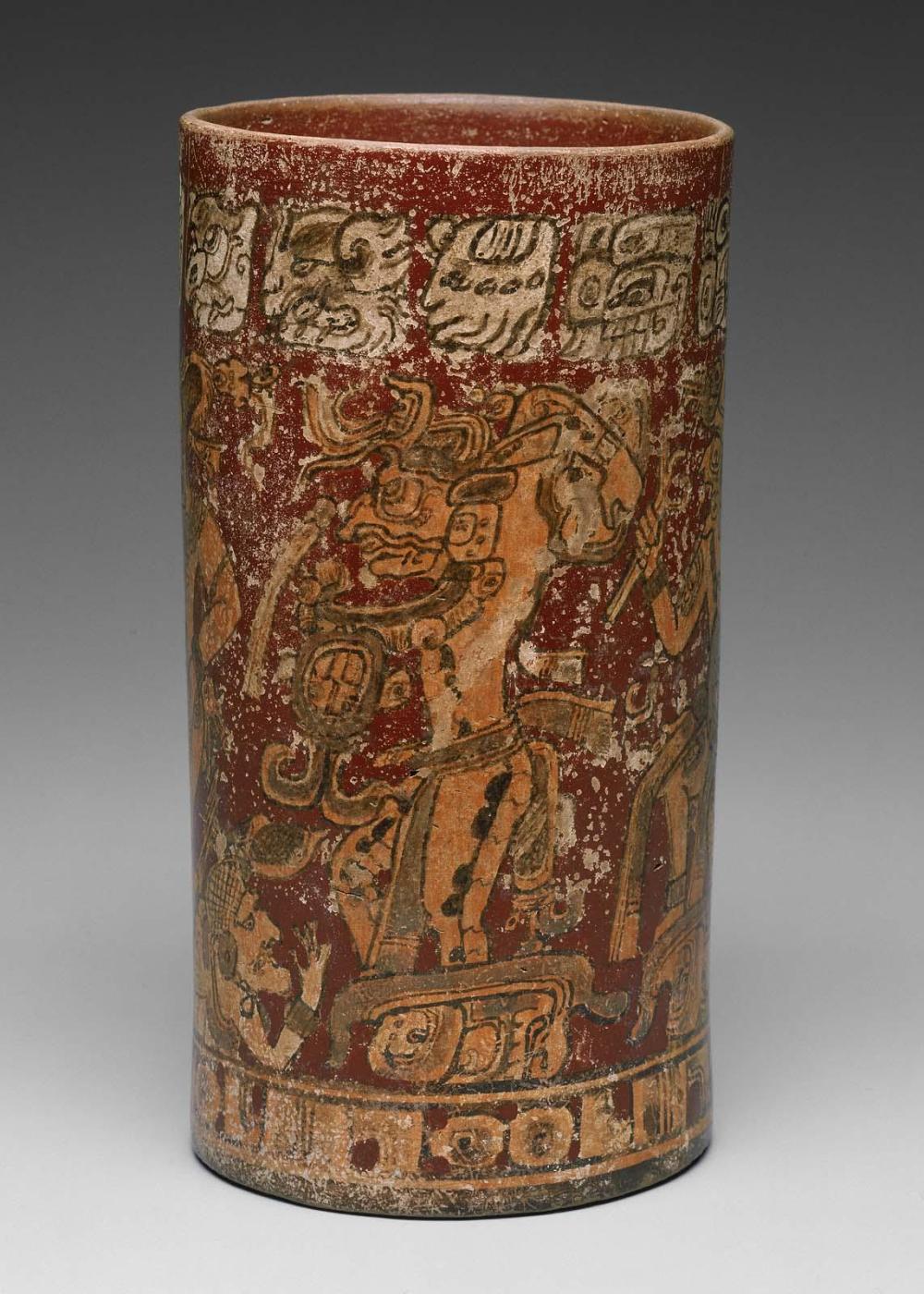
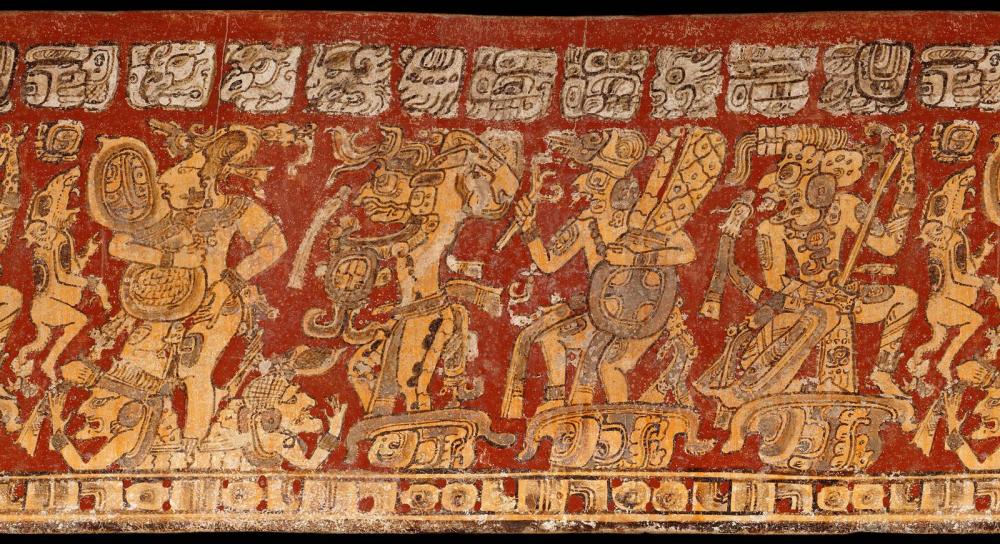
A pair of supernaturals, nicknamed "The Paddlers" because they paddle the souls of the deceased through the Underworld's waters, dance as they transport the Maize god. On the opposite side of the vase, the Maize god dances as he is resurrected from the Underworld.
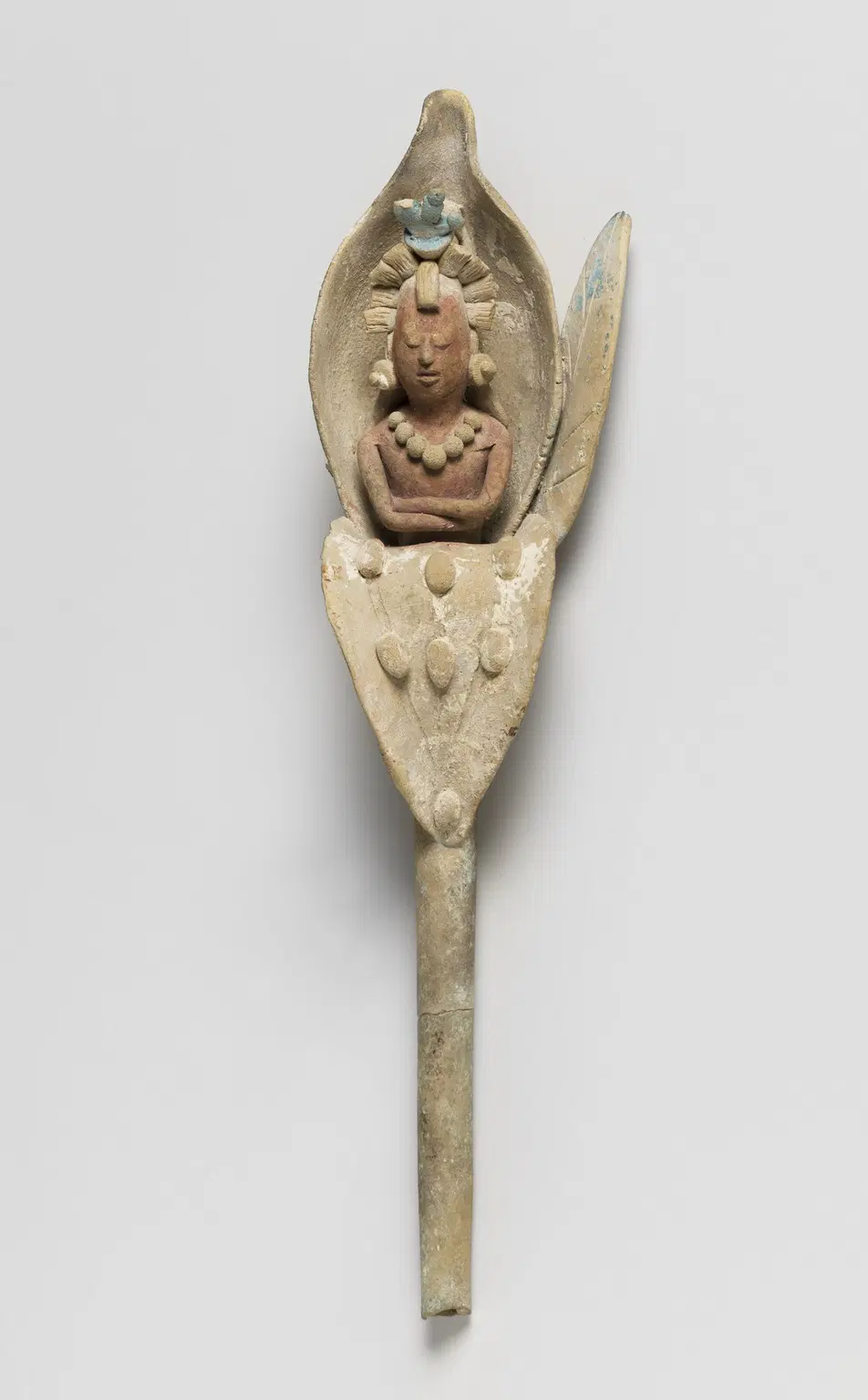
The Maize God is the heart of Maya mythology. He was killed by the Lords of the Underworld and buried — just like a maize seed is planted in the ground. His sons, the Hero Twins, travel into the Underworld to rescue him. When he rises again, he bursts out of a cracked turtle shell (the earth), dressed in jade and flowers. The Maya saw this happen every year in their cornfields: the seed dies, the plant is reborn.
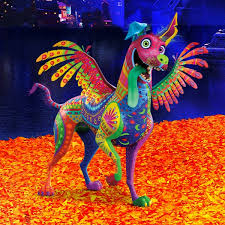
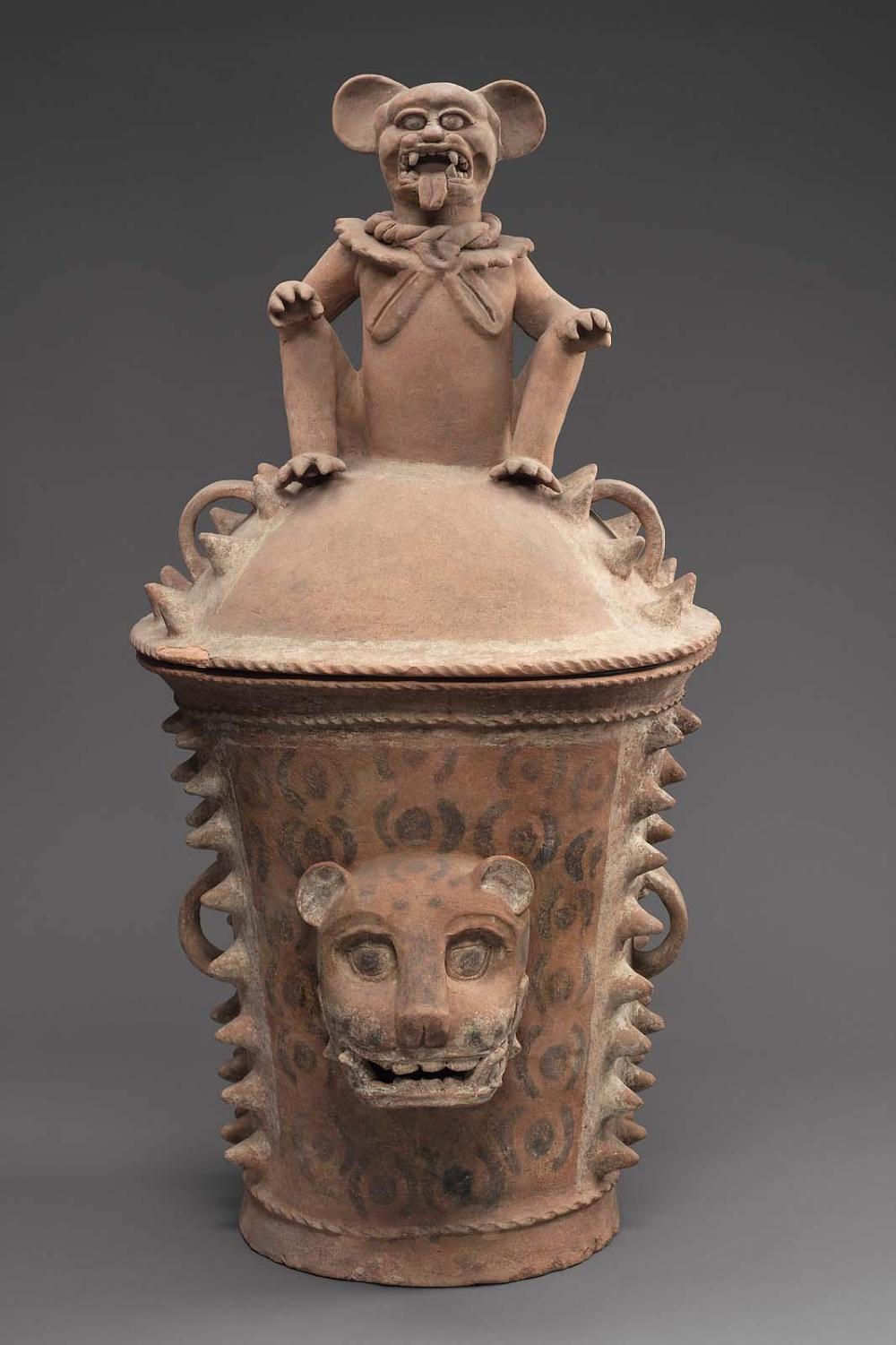
Dogs were believed to be companions of the dead on their underworld journey
Also know as The Wayob
Discussion
what is acient America
• Why do you think the Maya compared their most important god to a corn plant?
The Maya didn't just eat corn, they believed they were made from corn. The Popol Vuh says the gods tried twice to make humans — first from mud, then from wood — and both failed. Only when they used maize dough did humans finally work. So corn wasn't a crop; it was the literal substance of the human body.
The agricultural calendar was the sacred calendar.
Maya life revolved entirely around the maize cycle:
- Plant → seeds go into dark soil (= death, the Underworld)
- Wait → nothing visible happens for weeks (= the Maize God trapped in Xibalba)
- Sprout → green shoots break through the earth (= the Maize God bursting from the turtle shell)
- Harvest → abundance, feasting, celebration (= the Hero Twins' victory)
Acient America
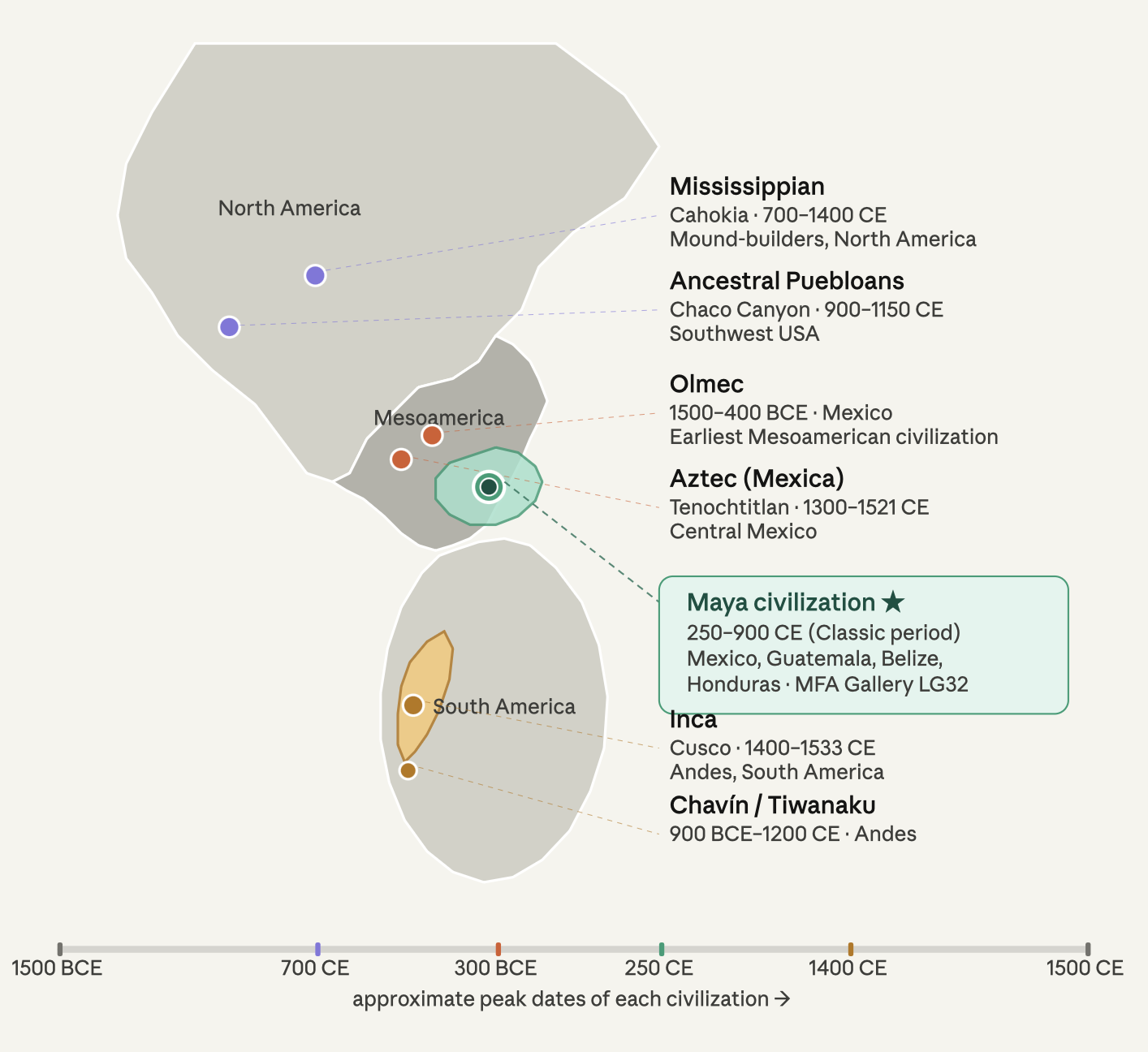
Ancient America refers to all Indigenous civilizations across North, South, and Central America before European contact in the late 1400s — roughly 3,000 years of history spanning dozens of cultures and millions of people. It is not one civilization but hundreds: the Maya, Aztec, Olmec, Inca, Mississippian, Ancestral Puebloans, and many more, each with distinct languages, religions, and art traditions. We are mostly talking about Central, and South America before European contact.
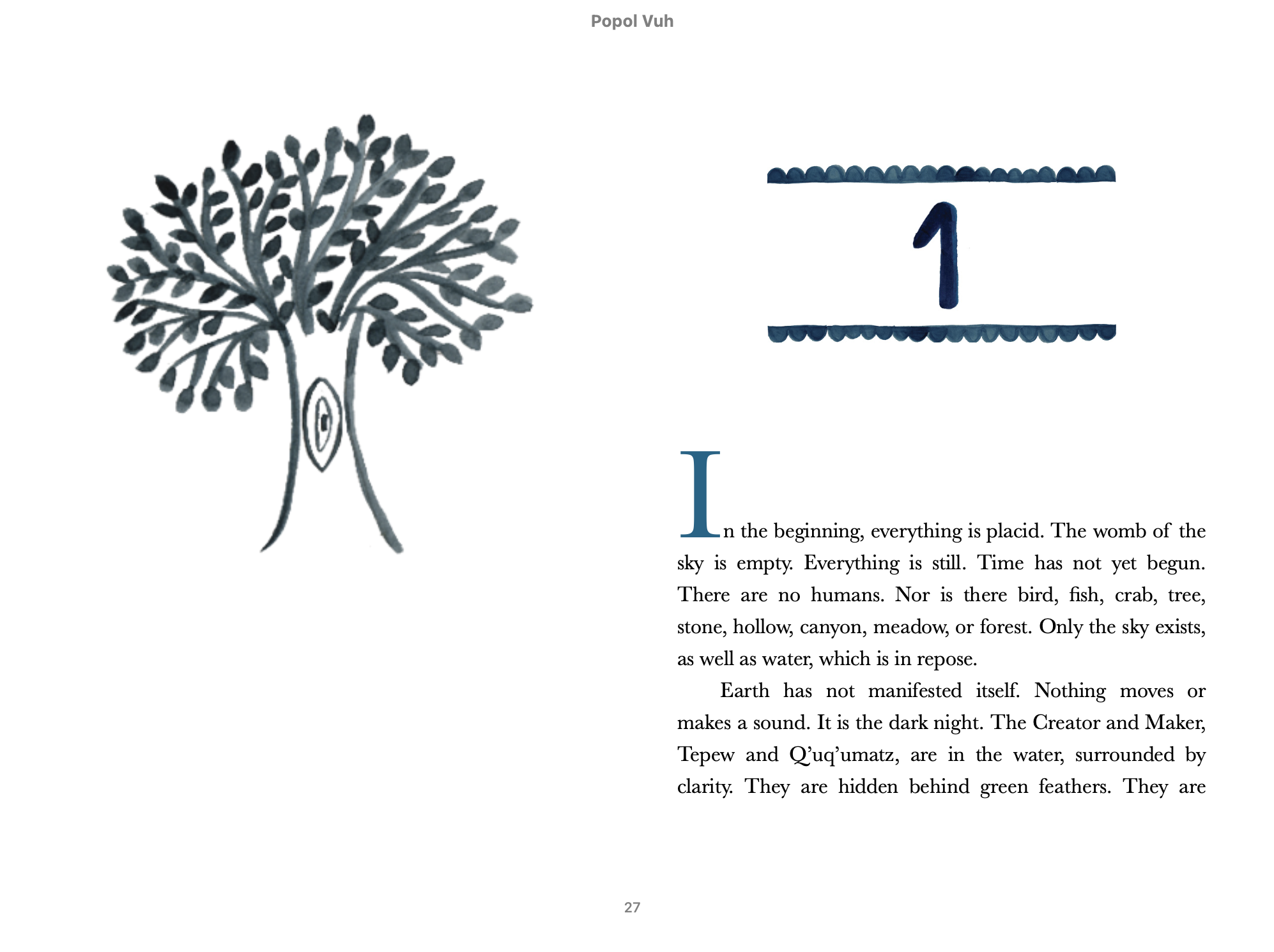
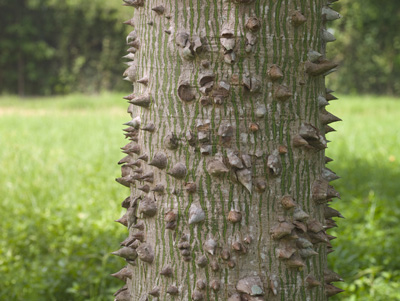
Ceiba Tree (Galleyr 251)
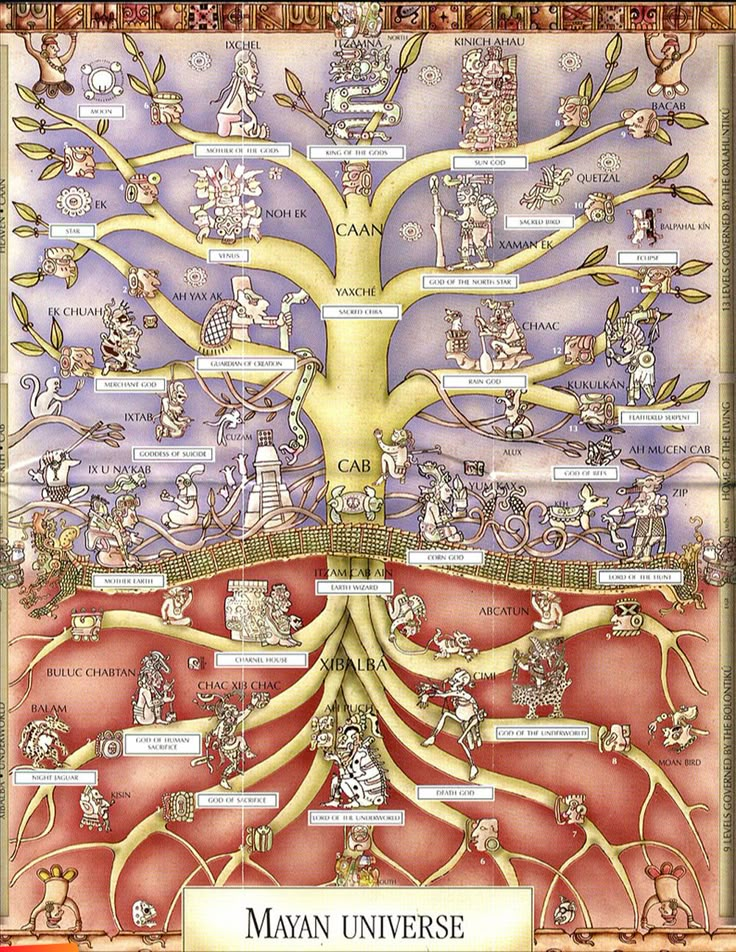
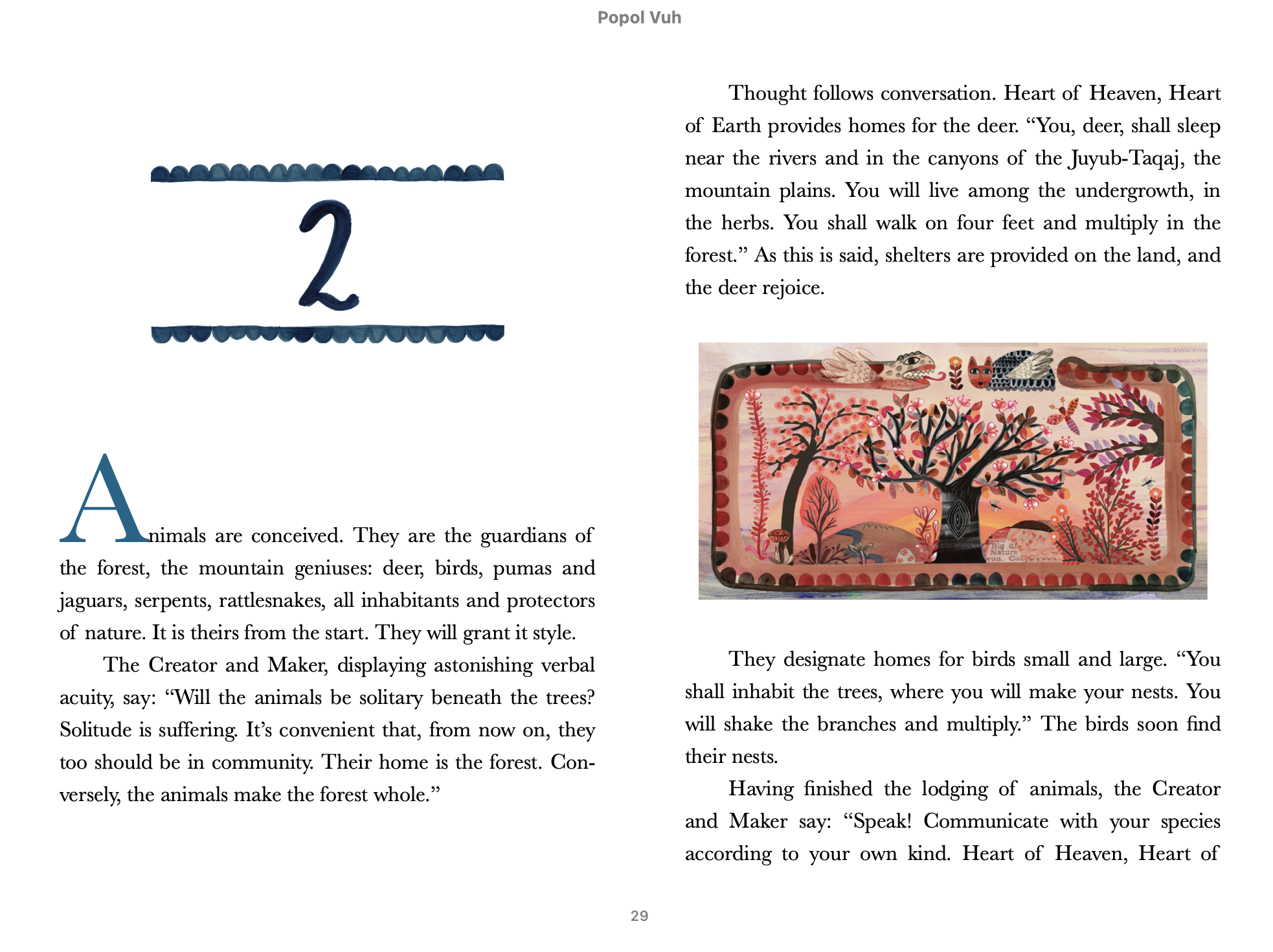
Mayan World tree
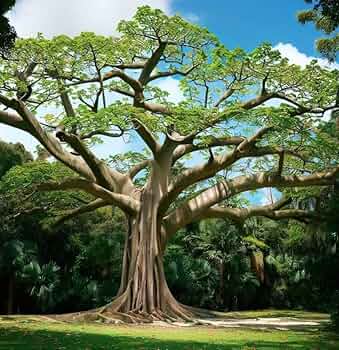
What is the World Tree?
The Maya World Tree — called Yaxche ("First Tree" or "Green Tree") — is the central pillar of the entire Maya universe. Imagine the cosmos as a three-story building. The World Tree is the spine running through all three floors, connecting every realm of existence.
The three realms
The Maya believed the universe had three layers stacked vertically. The upper world had thirteen levels of heaven, where the sun, moon, stars, and celestial gods lived. The middle world was the earth — where humans, animals, crops, and rulers existed. The underworld, called Xibalba ("place of fear"), had nine levels beneath the ground, home to the Lords of Death and the souls of the dead.
The World Tree pierced through all three simultaneously. Its roots dug into Xibalba, its trunk stood on the earth's surface, and its canopy spread across the heavens. This is why the Maya called it the axis mundi — the cosmic axis around which everything rotates.
Books and videos!
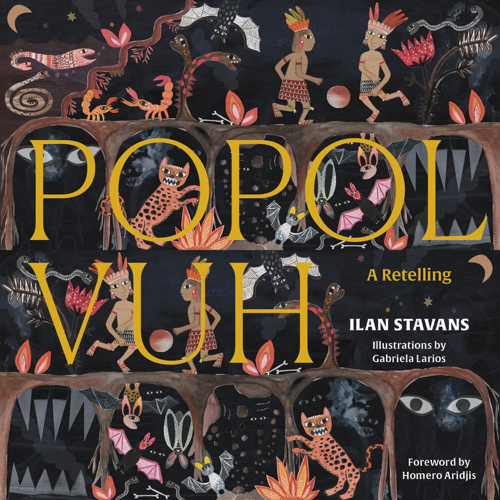 Shared in class
Arte de las tres lenguas kakchiquel, quiché y tzutuhil · Newberry Library
The possibly the earlist surviving copy transccribed between 1700 and 1715 by priest Francisco Ximénez now at ‣ in Chicago
Promots
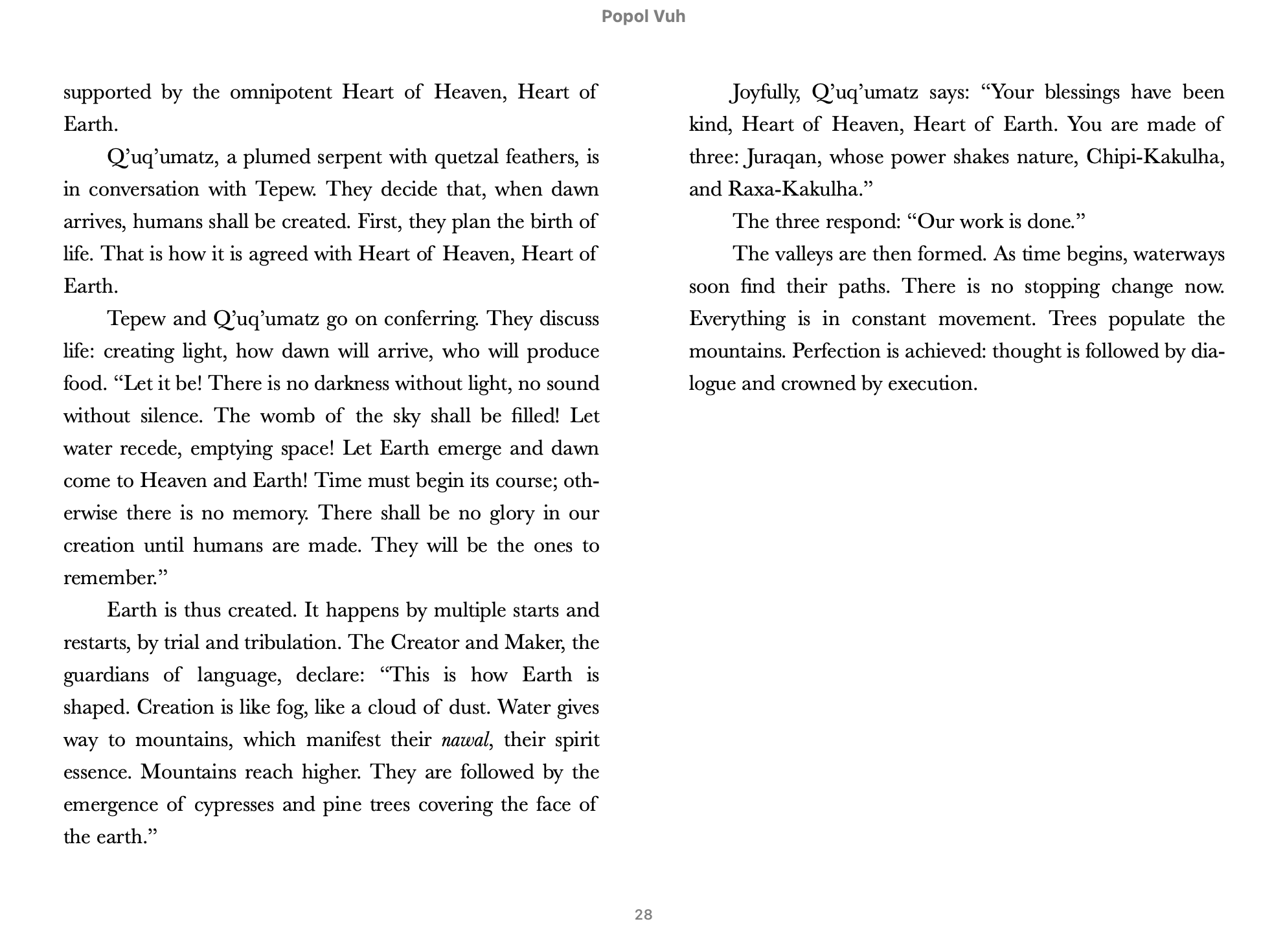
- Before anything existed, there was only sky and sea — and silence
- The gods tried to make people three times — and kept failing
- A skull hanging in a tree whispered to a princess
- The Hero Twins played the ballgame so loud it woke the Lords of Death
- The Maize God rose from a cracked turtle shell — dressed in jade and flowers