Goal
Explore how autumn light, color, and shadow can make a place feel calm or stir other feelings. Look closely at paintings and nature, then use a pencil drawing and a short poem to share your own autumn moment.
Plein air is French for “in the open air.” Artists work outdoors to look directly at nature as light, weather, and movement change. Today we will make an outdoor drawing with pencils.
1. Alfred Sisley: Catching a Changing Moment
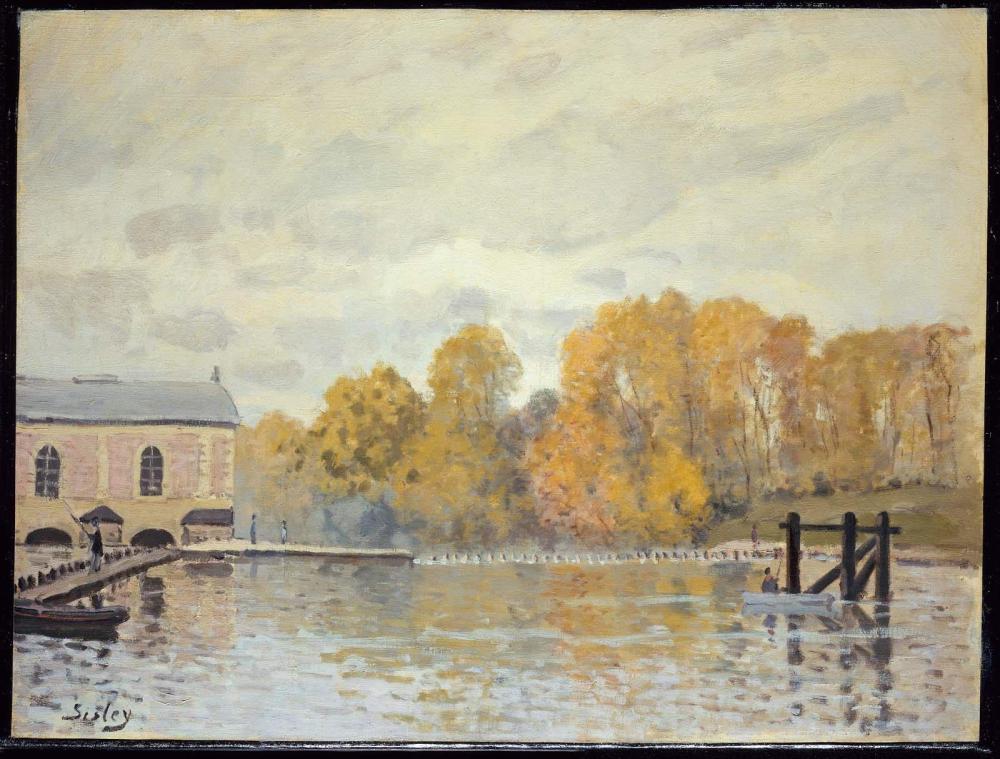
Waterworks at Marly, Alfred Sisley, about 1876
The “waterworks” was a pumping station supplying water for the fountains at Versailles. Even an everyday working place gave Sisley a reason to watch moving water, autumn leaves, and light.
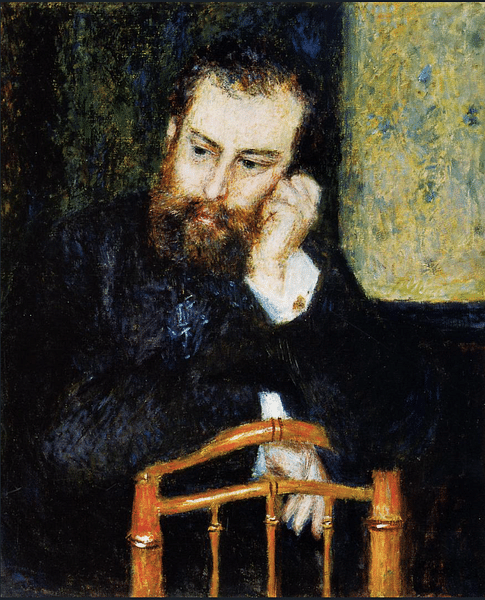
Meet Alfred Sisley (1839–1899). Sisley was a British artist who lived and worked in France. He was part of Impressionism, a group of artists interested in everyday life and changing light. He often painted landscapes outdoors. Small marks of color could help him show how a place looked and felt at a particular moment.
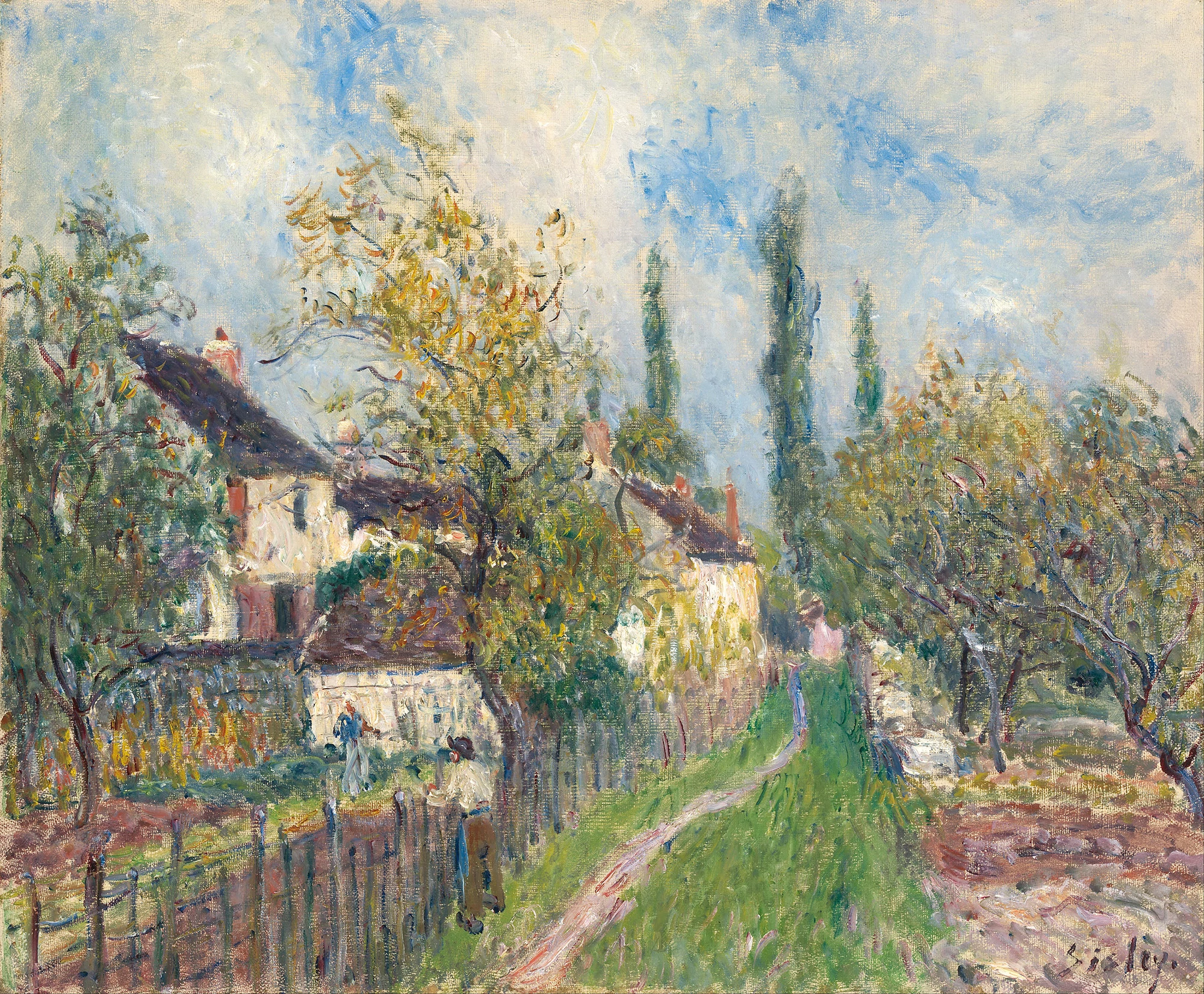
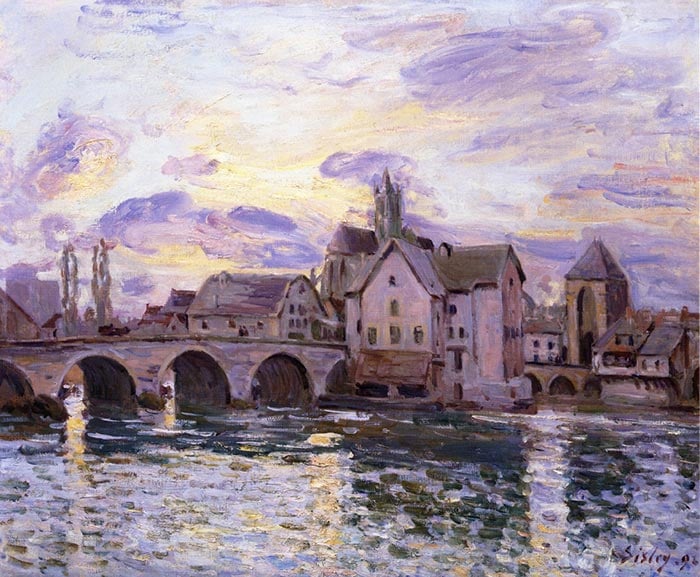
- What colors appear both on the riverbank and in the water? What changes in the reflection?
- Where do you notice movement? Point to the marks that give you that idea.
- Find one light area and one dark area. How do they help your eye travel through the picture?
- If Sisley painted this scene an hour later, what might look different? What would you want to record first?
2. Thomas Cole: Where Does the Light Lead You?
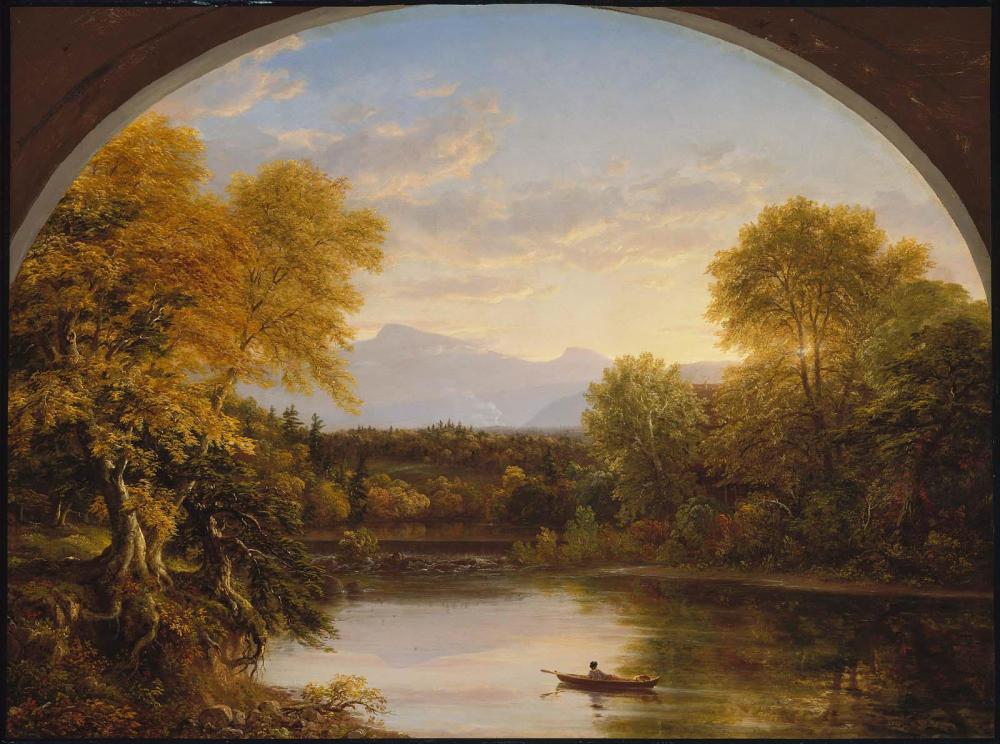
Thomas Cole (1801–1848). Cole was born in England and moved to the United States as a teenager. He helped inspire the landscape painters called the Hudson River School. For him, a landscape could hold a story, a feeling, or a big question about nature. He made outdoor sketches and used observations to develop paintings in his studio.
The Catskills are mountains in New York State. Cole asks us to spend time with an evening landscape. Look at the land and sky together: light and dark can help a broad view feel full of drama or stillness. Which feeling do you find, and where?

- Where is the brightest area? Where is the darkest? Where did your eyes go first?
- What do you think of this framing?
- Imagine the bright sky were covered. How might the mood change?
Compare the two paintings: Which one makes you notice moving marks? Which makes you notice a contrast between light and dark? Find evidence in each; there is more than one possible answer.
“To walk with nature as a poet is the necessary condition of a perfect artist.” —Thomas Cole
3. Light's Color “Magic”
Can one leaf look like more than one color?
A leaf's surface reflects some of the light that reaches it. The colors we see depend on the leaf, the light, and our eyes. Sunshine, shade, clouds, and the time of day can change how bright a color looks and sometimes its color or warm/cool appearance. A cloud can pass while the leaf itself stays the same.
Try it outside, 3 minutes
- From the permitted viewing area, find a leaf or branch with a sunlit part and a shaded part. Compare them at the same time without touching the plant. If that is difficult, the teacher can move a colored card brought from home between sun and shade.
- Ask: “What stays the same? What looks lighter, darker, or slightly different in color?” Make two small color patches, or use pencil pressure for light and dark. If you notice little difference, record that honestly.
- Look again if a cloud passes. We are collecting clues, not waiting for a special effect.
A useful surprise: Shade is not always blue, and sunset does not make everything orange. Let your eyes decide. Never look directly at the sun.
Two different kinds of change: Light can change a leaf's appearance in a moment. Over autumn days and weeks, pigments inside the leaf also change. Today we are watching the first kind while noticing signs of the season.
4. A Poem to Take
Joan Mitchell, “Autumn”
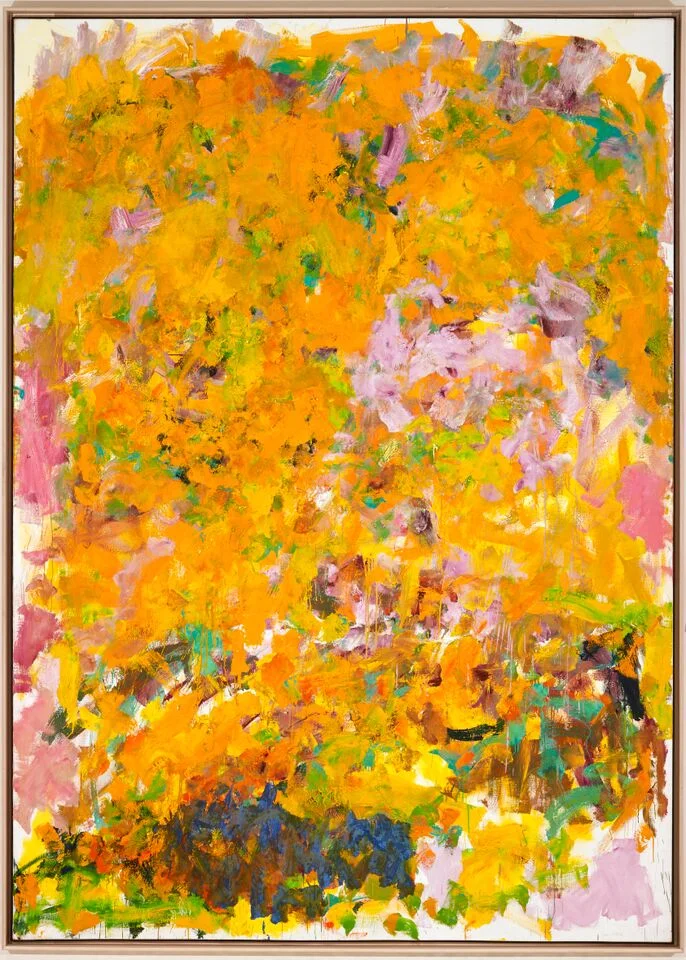
Joan Mitchell was ten when this poem was published. She later became known for abstract paintings, using color and marks to explore landscapes, memories, and feelings.
Does today's autumn feel like her autumn?
The rusty leaves crunch and crackle, Blue haze hangs from the dimmed sky,
The fields are matted with sun-tanned stalks -
Wind rushes by. The last red berries hang from the thorn-tree,
The last red leaves fall to the ground.
Bleakness, through the trees and bushes,
Comes without sound.
—Joan Mitchell
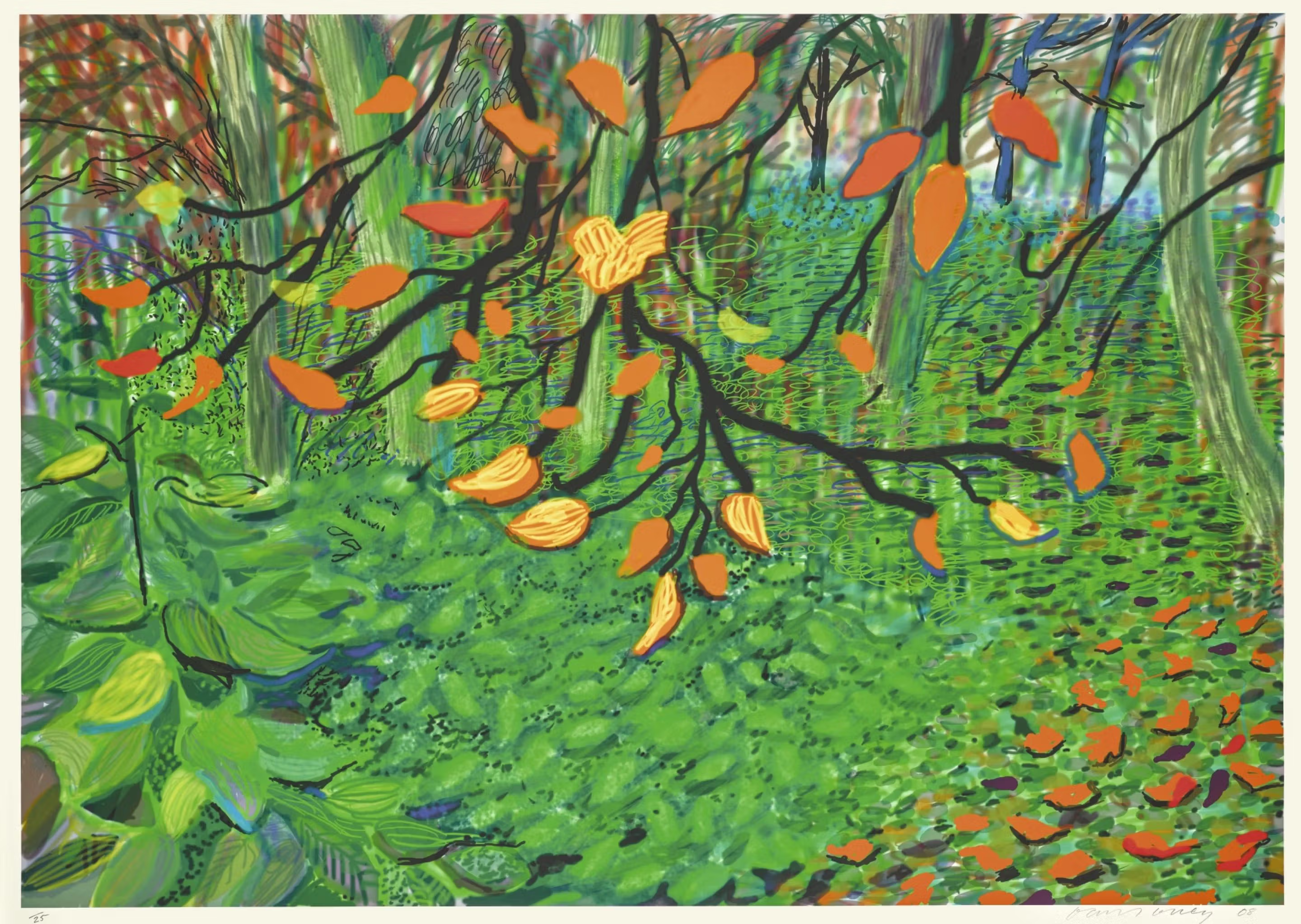
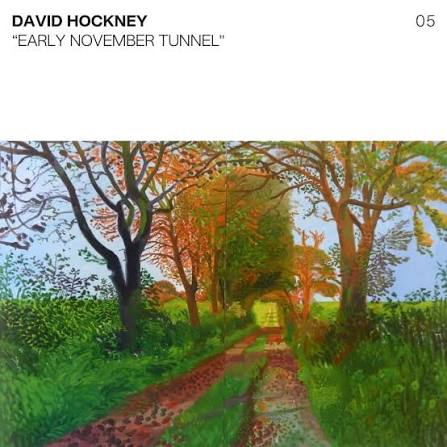
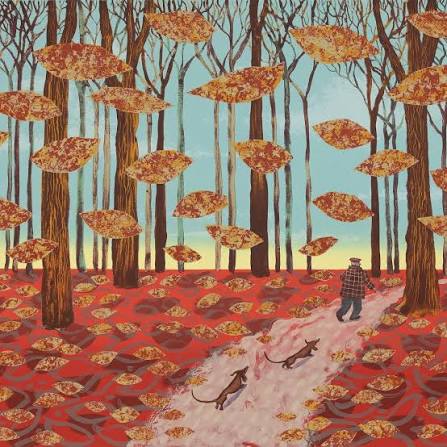
Another Inspiration: David Hockney
4. Make Your Autumn Moment
Pause and collect
Listen quietly for 30 seconds, then look again. Find one detail you can see, one sound or movement, and one sensation such as cool air. Try the light-and-shade experiment from Section 3 if conditions allow.
Choose one small view
Use your hands as a viewfinder. Try a wide view, then a closer one. Choose what you most want someone else to notice: a bright leaf, a branch's shape, a patch of light, or a meeting of stone and shadow.
Draw
Your picture may feel peaceful, busy, chilly, cheerful, or something else. Try to show what made you feel that way.
6. Let the Poem Add Something
Write two or three short lines beside your drawing. Keep one real detail from your chosen view. Add something the picture cannot easily say aloud: a rustle, a gust, a temperature, a remembered moment, or a question.
- “My poem adds (sound, feeling, or idea).”
If you wish: Observe the same view at another time or on another day. Make a second small sketch and change one line of your poem. What changed in the light, the scene, or your attention?