Goals
- Learn how Rembrandt used light and dark (chiaroscuro) to focus attention and create mood.
- Explore how 17th-century Amsterdam's Jewish community appears in Dutch art.Sephardic Jews,Ashkenazi Jews
Background
reformation-Dutch public
The Protestant Reformation broke the religious unity of Europe. In the Dutch Republic, this eventually contributed to a relatively tolerant and diverse religious environment.
Looking Closely
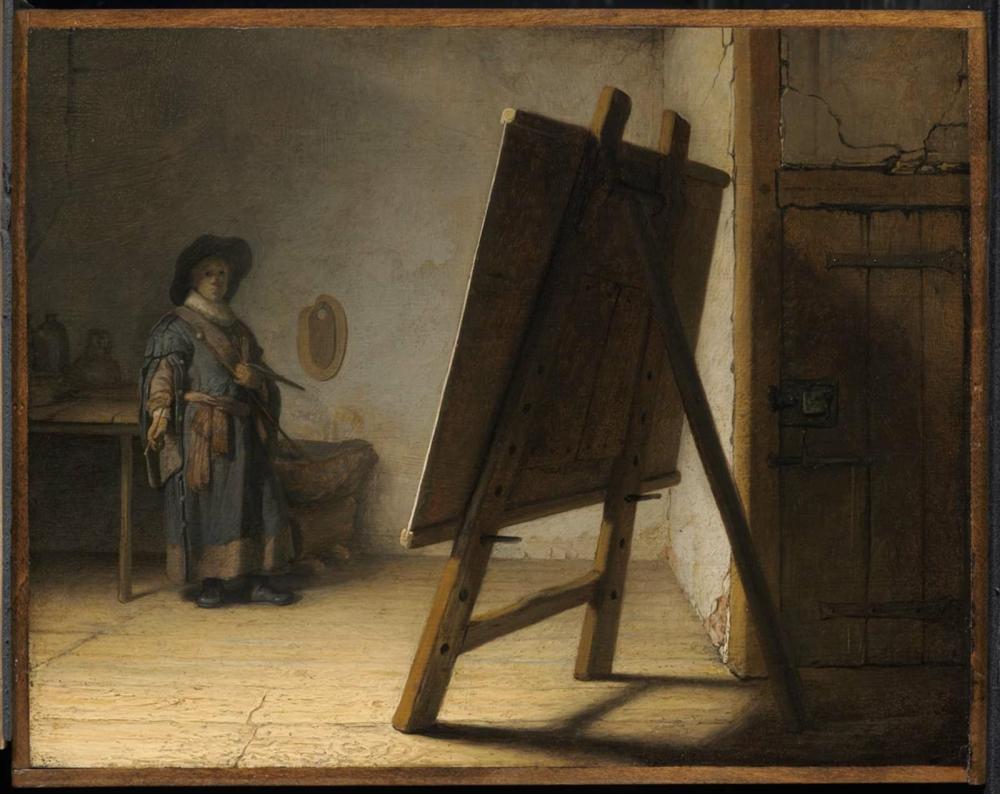
We've talked about this work of the young Rembrandt in his studio. You can already see how he lights up the easel like it's sitting under a spotlight.
What's the brightest thing in this painting? Why do you think Rembrandt chose to light up that one thing, out of everything in the room?
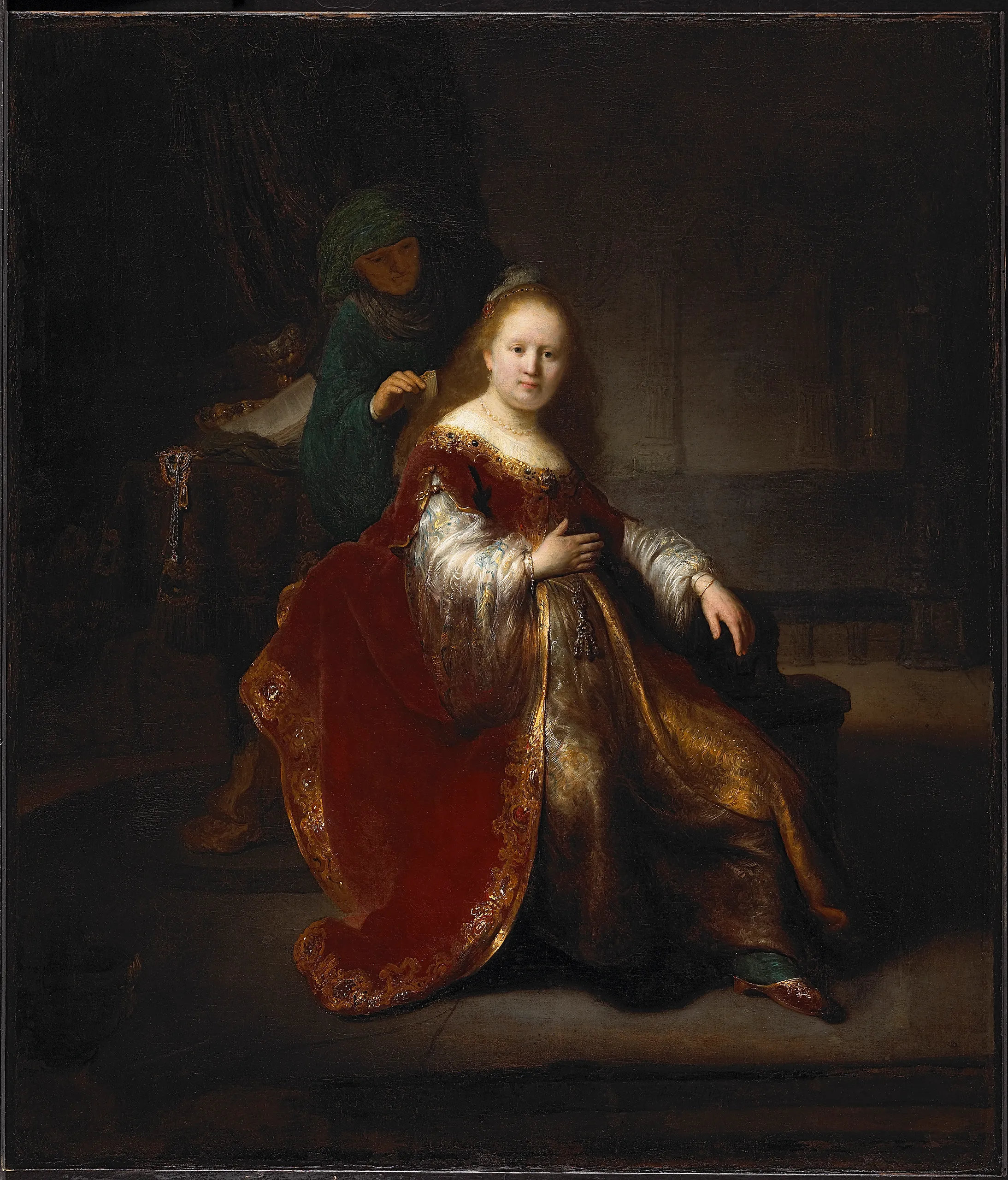
Renaissance: balance, harmony, ideal beauty.
Baroque: drama, movement, light, emotion.
17th-century Amsterdam's Jewish community
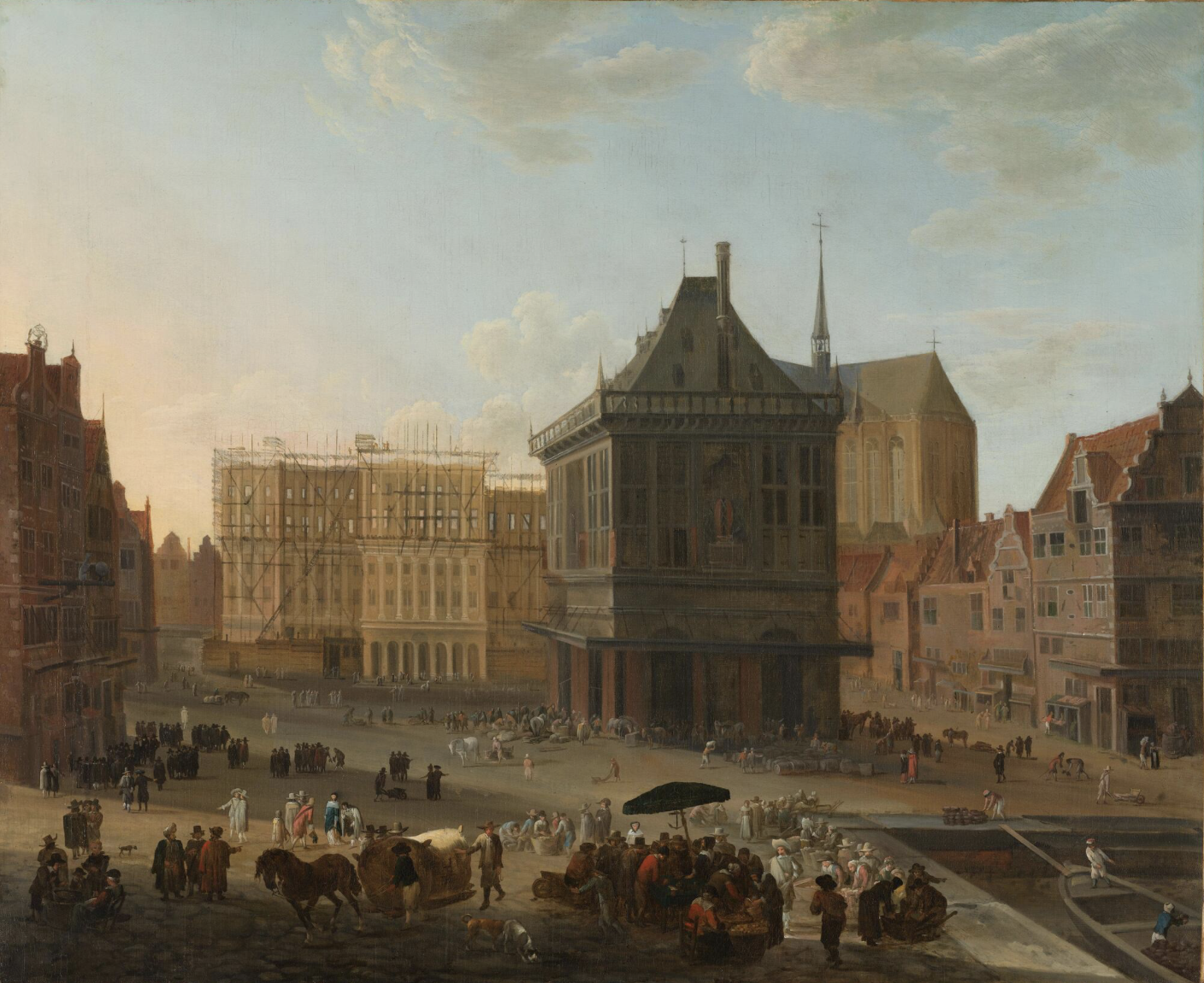
Jacob van der Ulft was a Dutch painter, glass painter, print artist, architect and mayor.
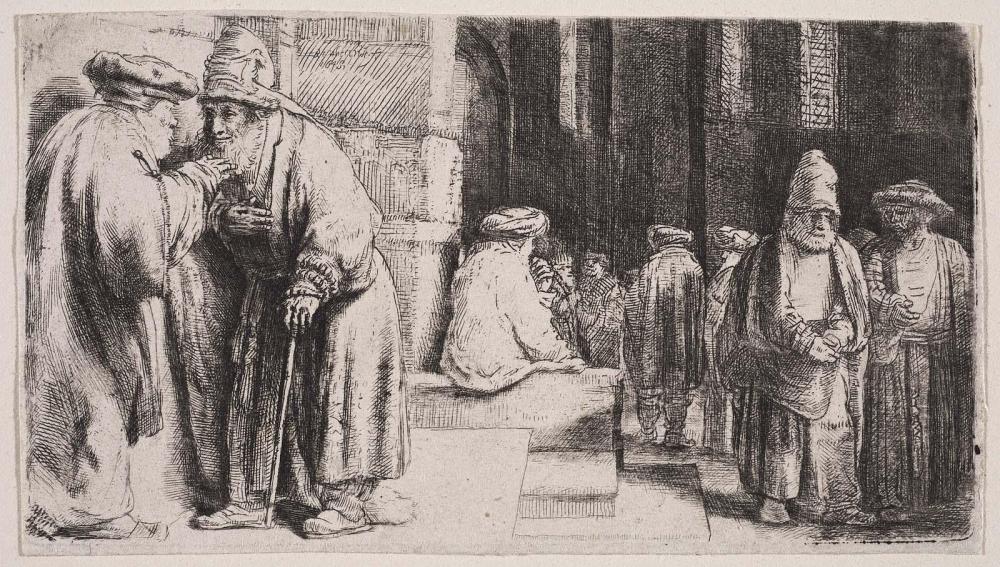
Rembrandt's next-door neighbors had come from far away, looking for a safer place to live. He liked them so much, he painted them right into his Bible scenes.
Why do you think an artist would put his real neighbors into an old story, instead of using a made-up character?
Reality and Imagination: Rembrandt and the Jews in the Dutch Republic (Gallery 243A, on view through late Nov 2026)
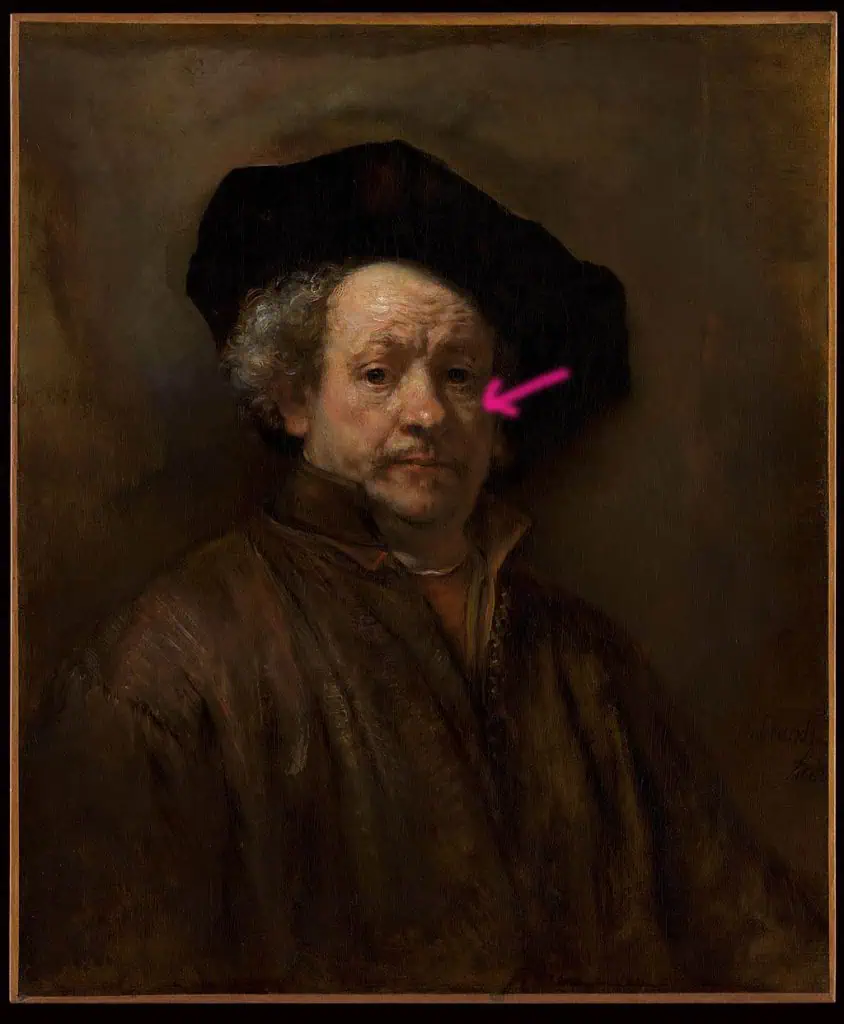
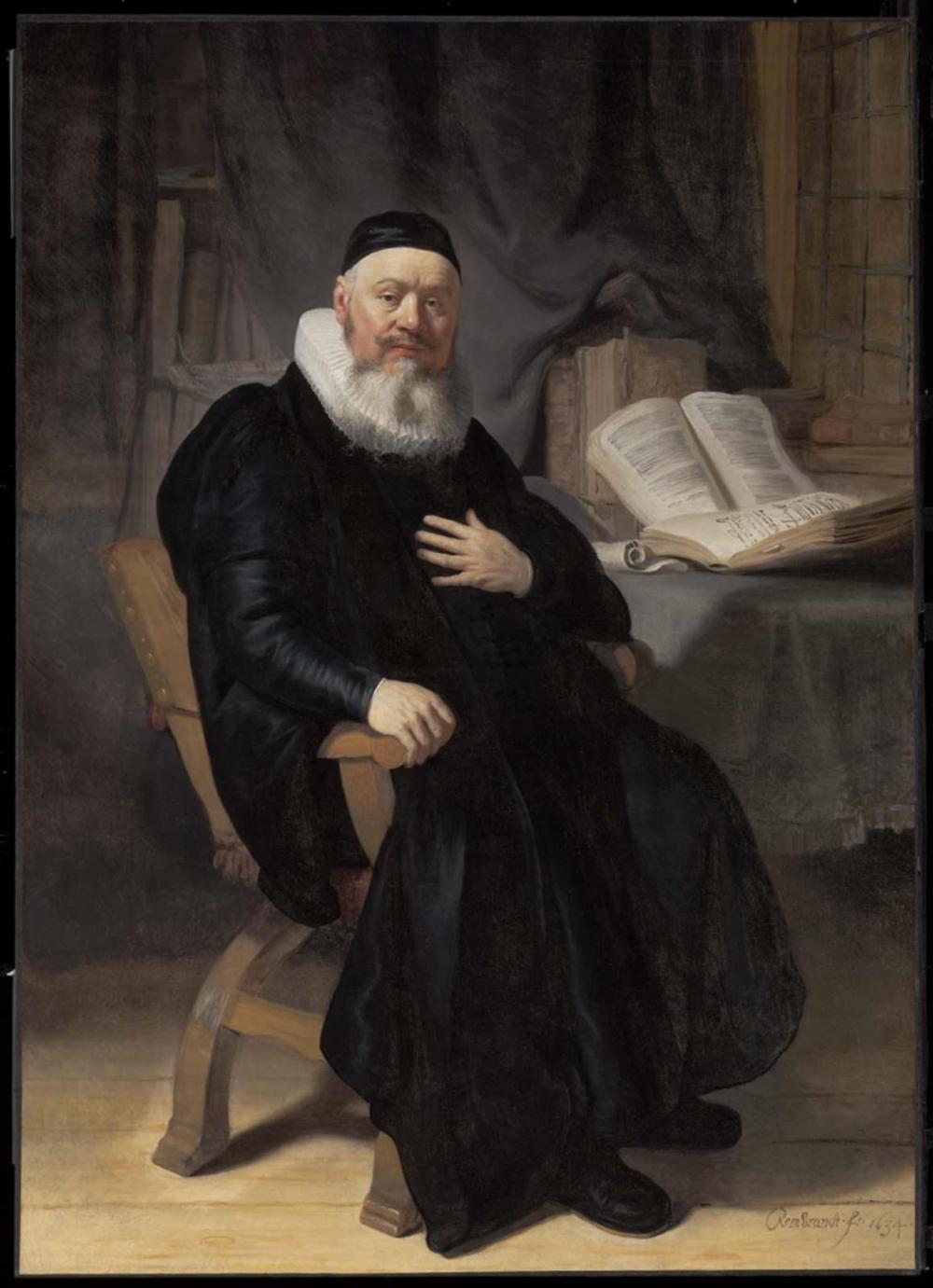
Rembrandt lighting is a classic portrait technique defined by a small, inverted triangle of light on the shadowed side of a subject's face — sometimes called the Rembrandt triangle.
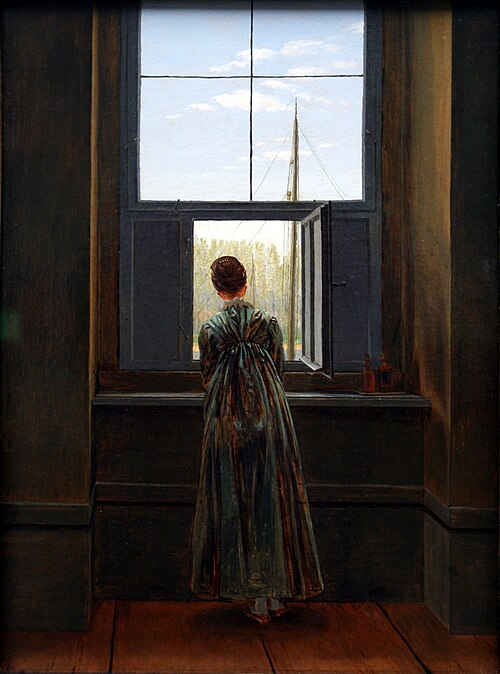
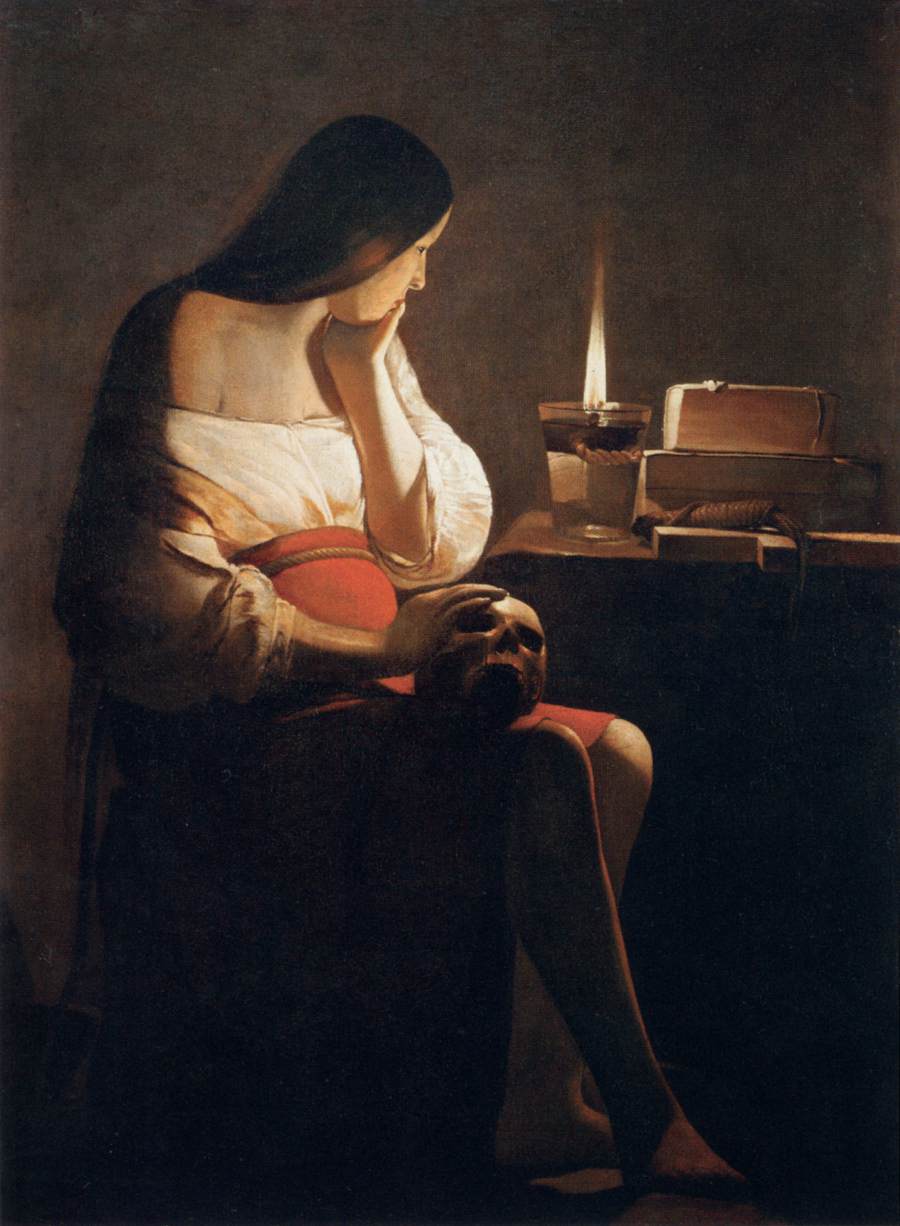
This adds depth and a sense of three-dimensionality to a face. The play of light and shadow,a trick artists call chiaroscuro, can make a painting feel calm, mysterious, or dramatic, just by changing where the light comes from.
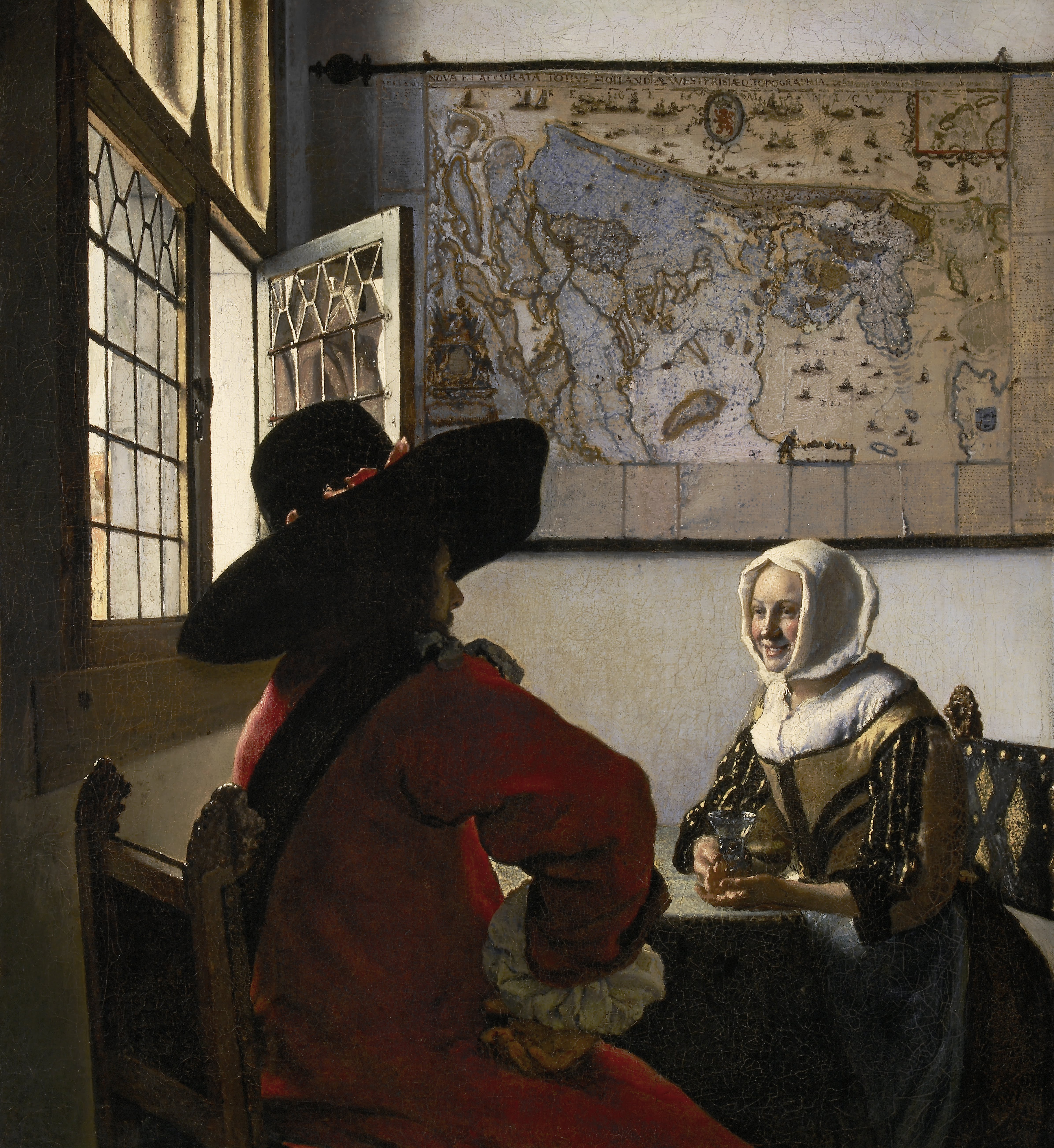
Aesthetics of Lighting: How Light Direction Changes Mood
| Light type | Kid-friendly name | What it feels like |
|---|---|---|
| Side light (Rembrandt triangle) | Sunset Light | Curious, a little mysterious |
| Backlight / silhouette | Foggy Light | You can't quite tell who it is — mysterious |
| Uplight (light from below) | Campfire Light | Dramatic, spooky-story feeling |
| Top light | Spotlight | Serious, like you're being put on the spot |
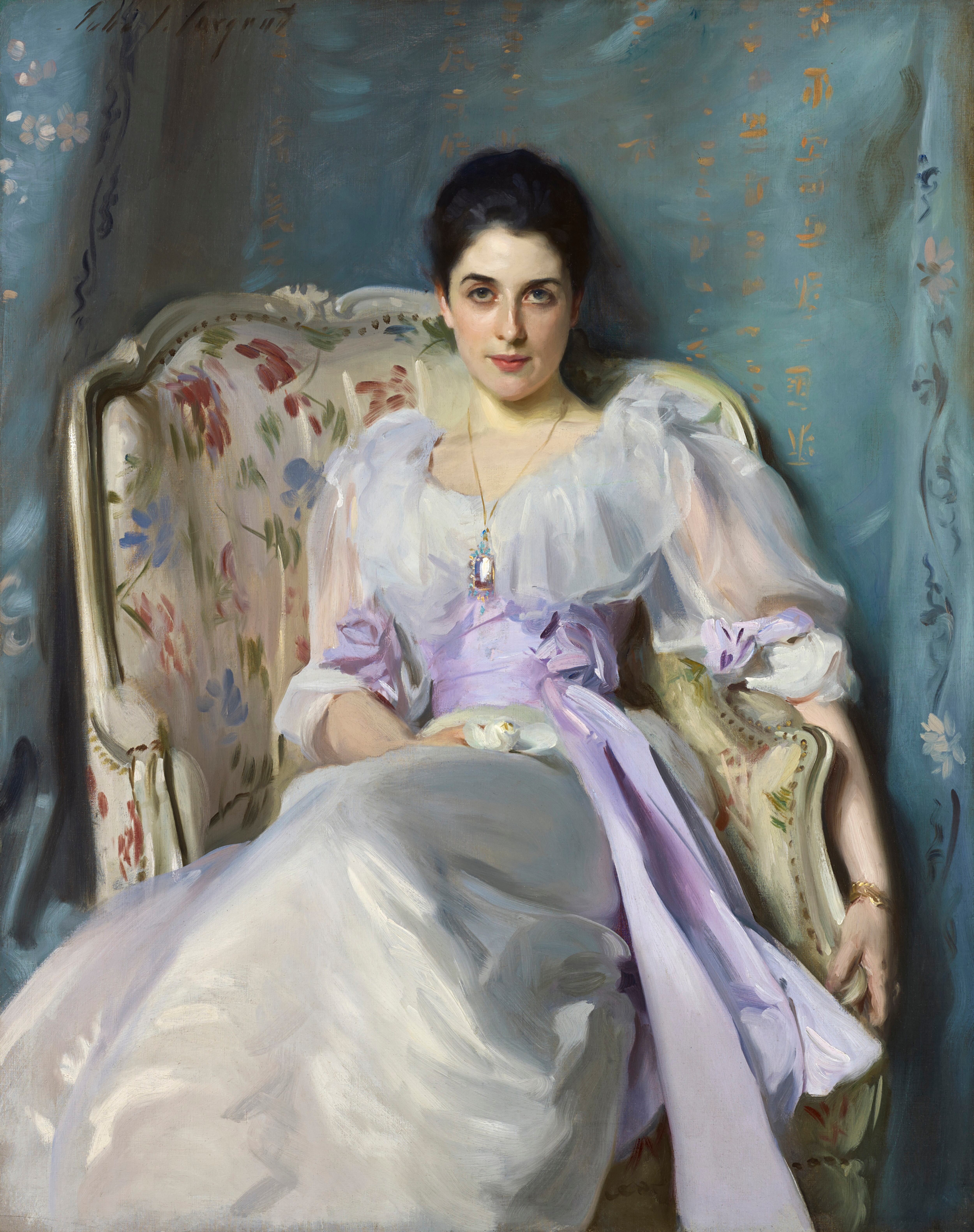
| Soft, even front light | Sunny-Day Light | Calm, friendly, safe |
Discussion
Compare the two Rembrandts on this page — Artist in His Studio and Jews in the Synagogue. Which one feels quieter, and which one feels heavier? What is the light doing to make that difference?
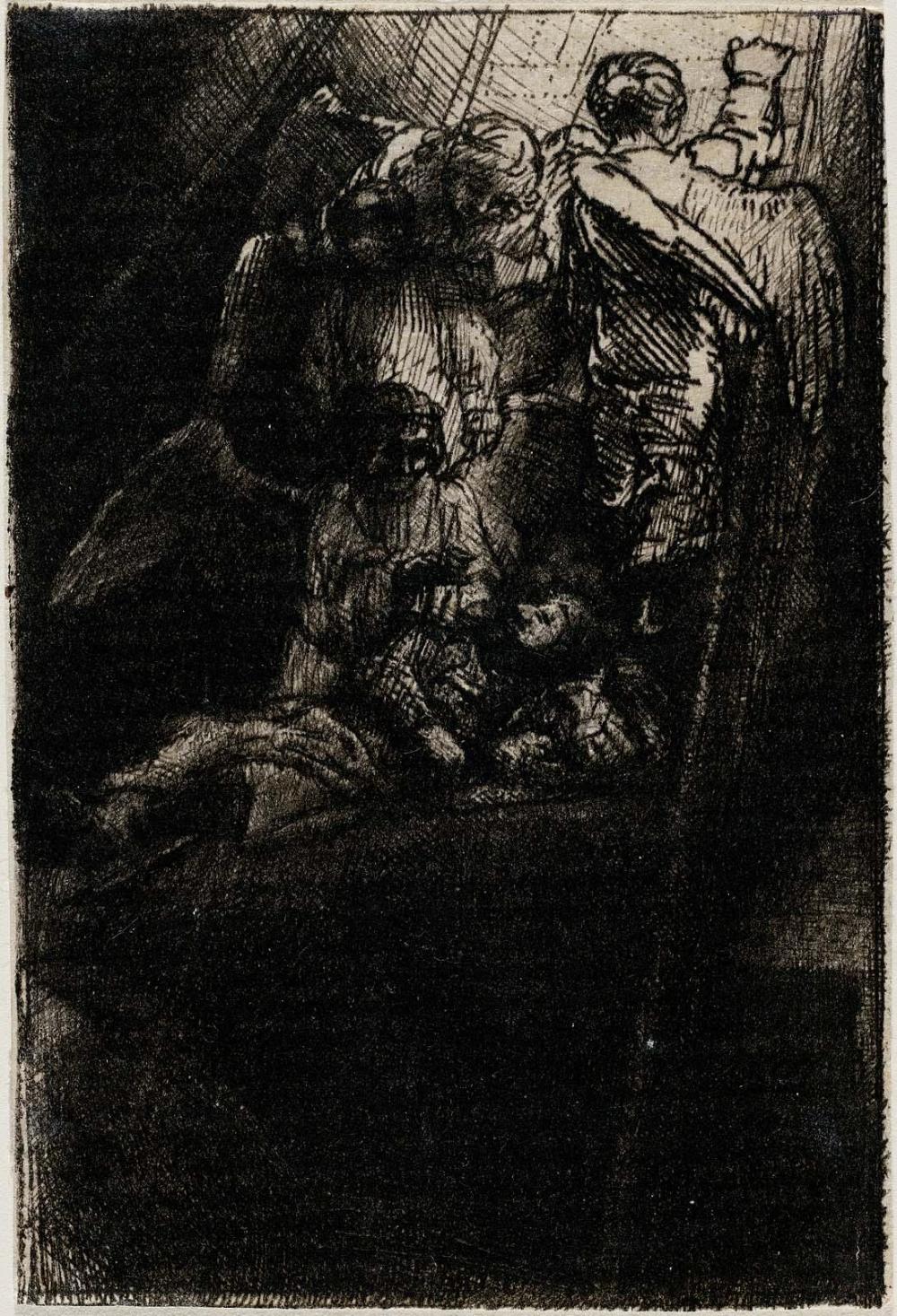
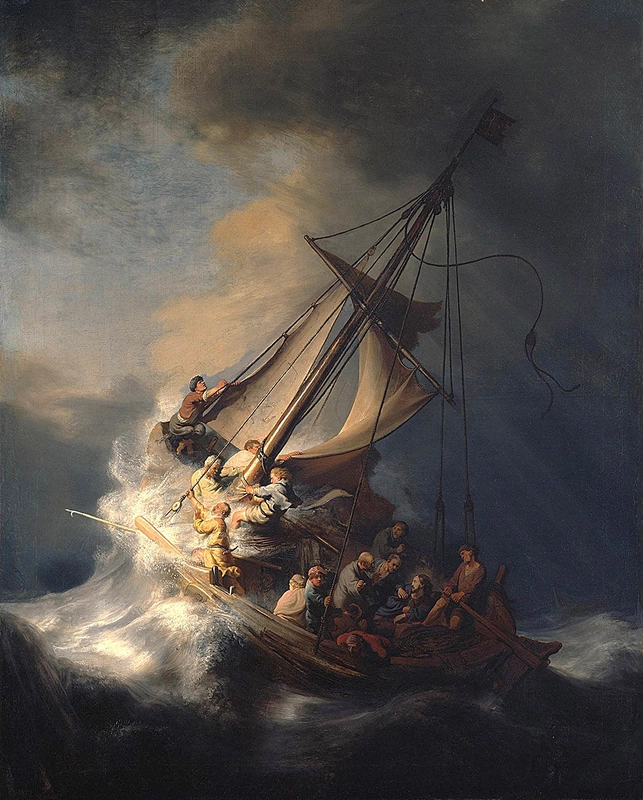
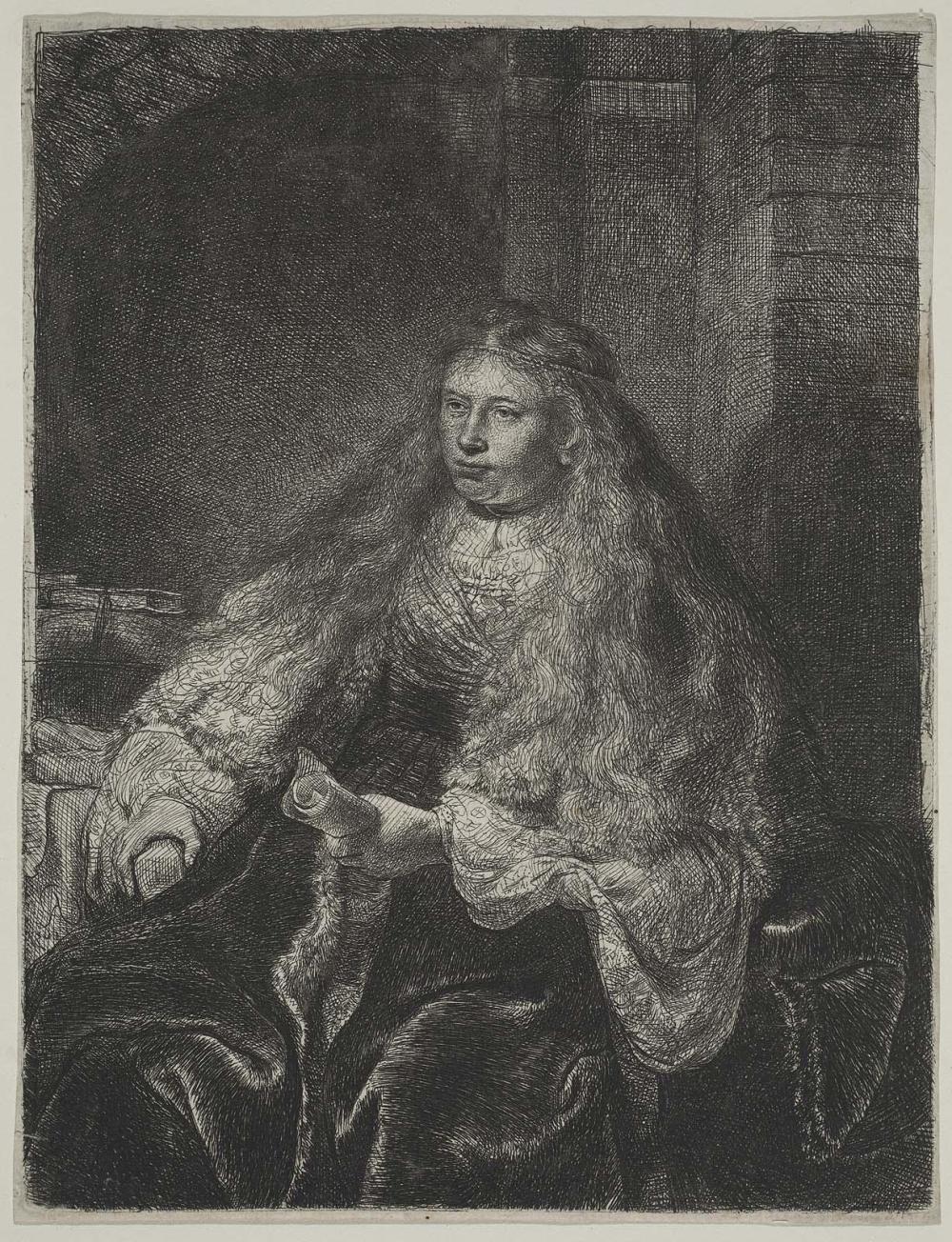
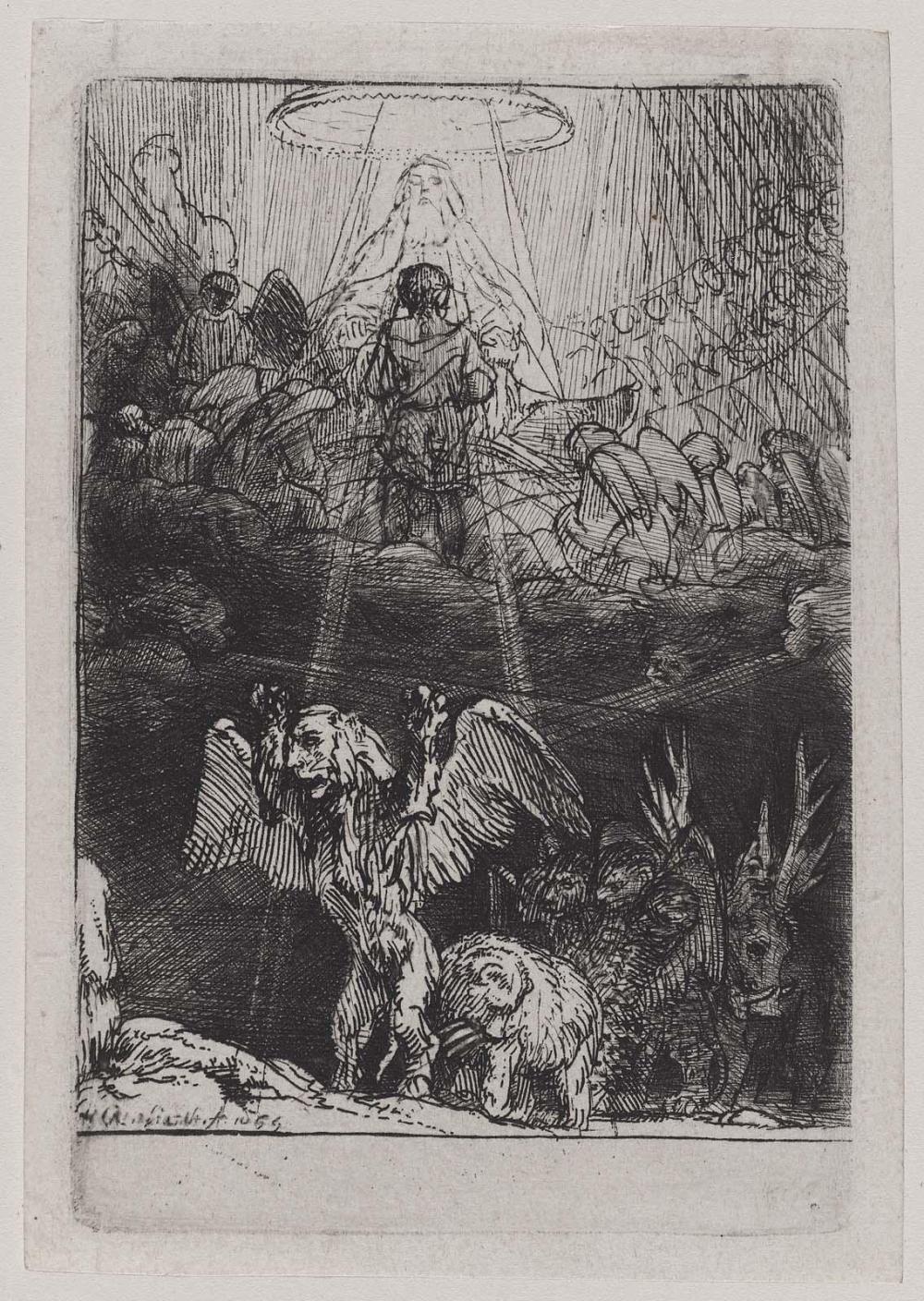
Find the brightest and darkest spots in one painting — what is Rembrandt making sure you look at first?
Activity
Flashlight portrait study — using a single light source on a classmate's face (or a still object), sketch or photograph only what the light reveals. Pairs try 4 light angles (side, above, below, behind) on the same subject. Then the whole class posts every photo on the wall and votes: Which one feels calmest? Which one feels most dramatic?
At-home project
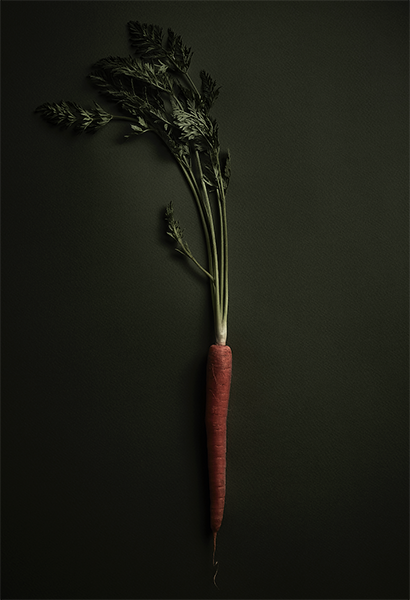
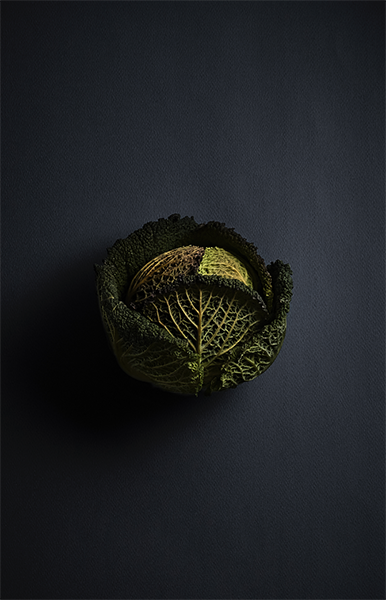
Play a "shadow game" with your family: turn off the lights, use one flashlight, and take turns lighting each other's faces from different angles. Guess what each one makes you look like — brave? sleepy? mysterious? Snap a photo of your favorite one to bring back and share. For example…
Book!
Books & Videos
 Shared in class