Introduction

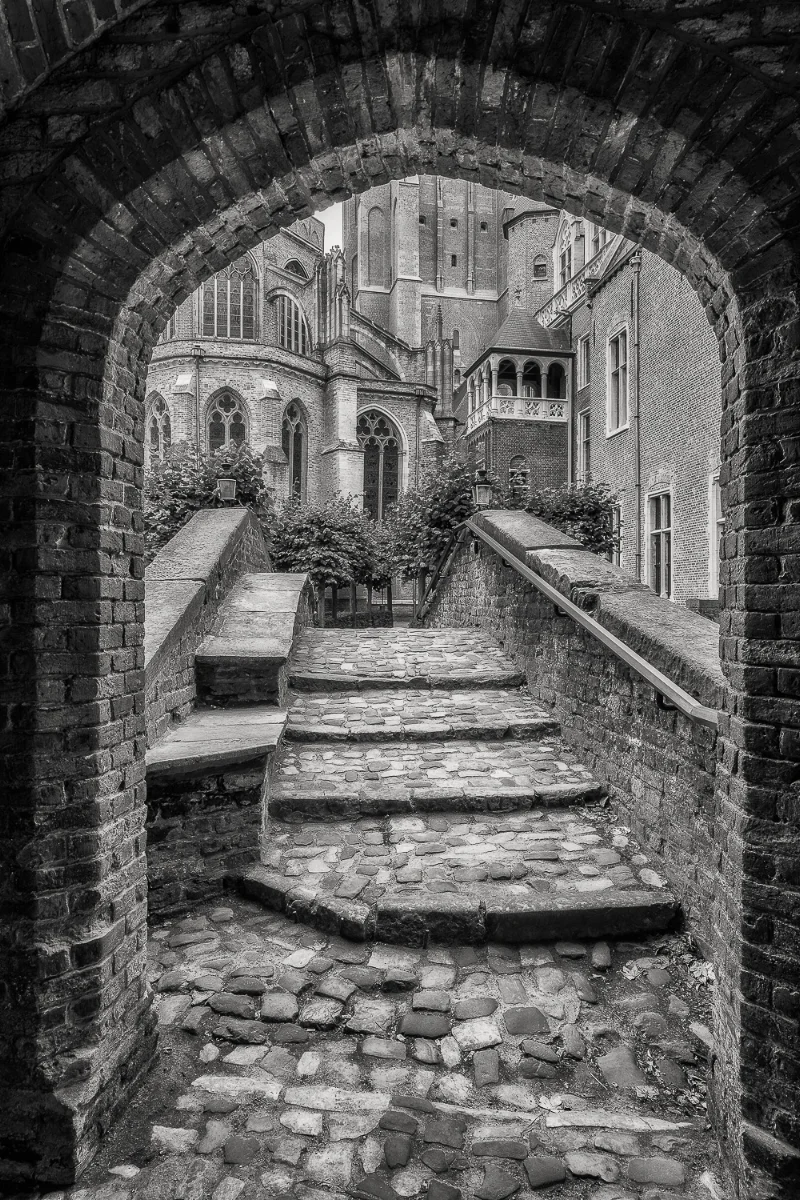
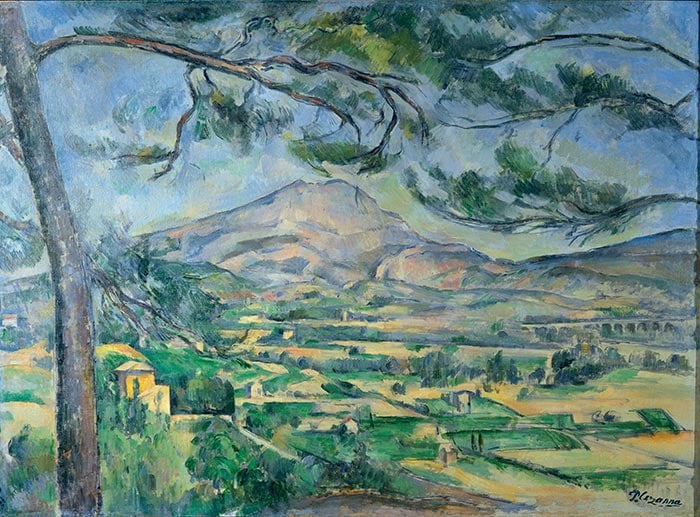
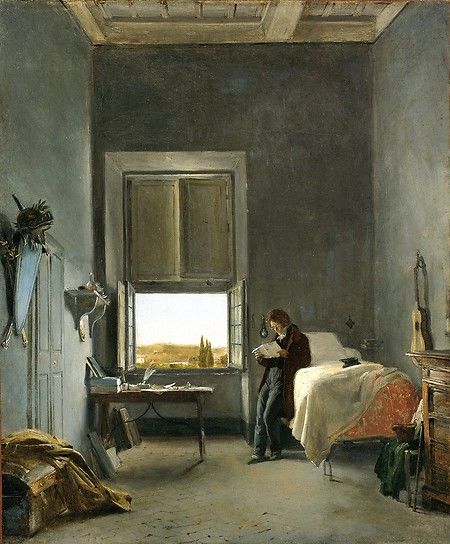
Compositional framing is a technique in art that uses elements within the artwork to create a "frame" around a focal point, guiding the viewer's eye and emphasizing the subject
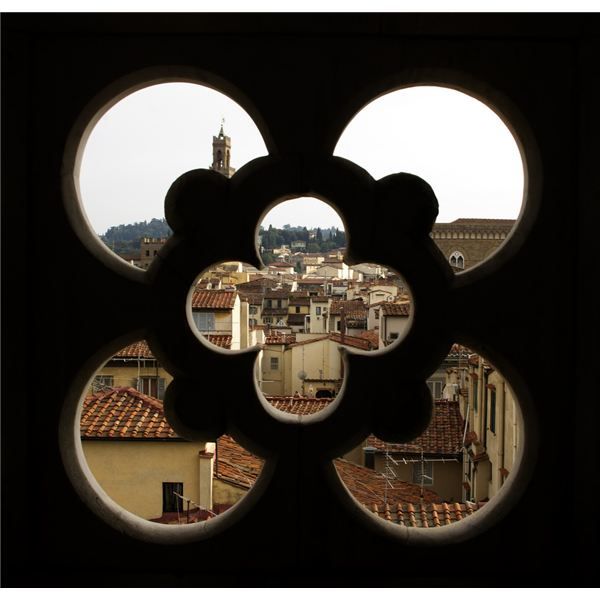
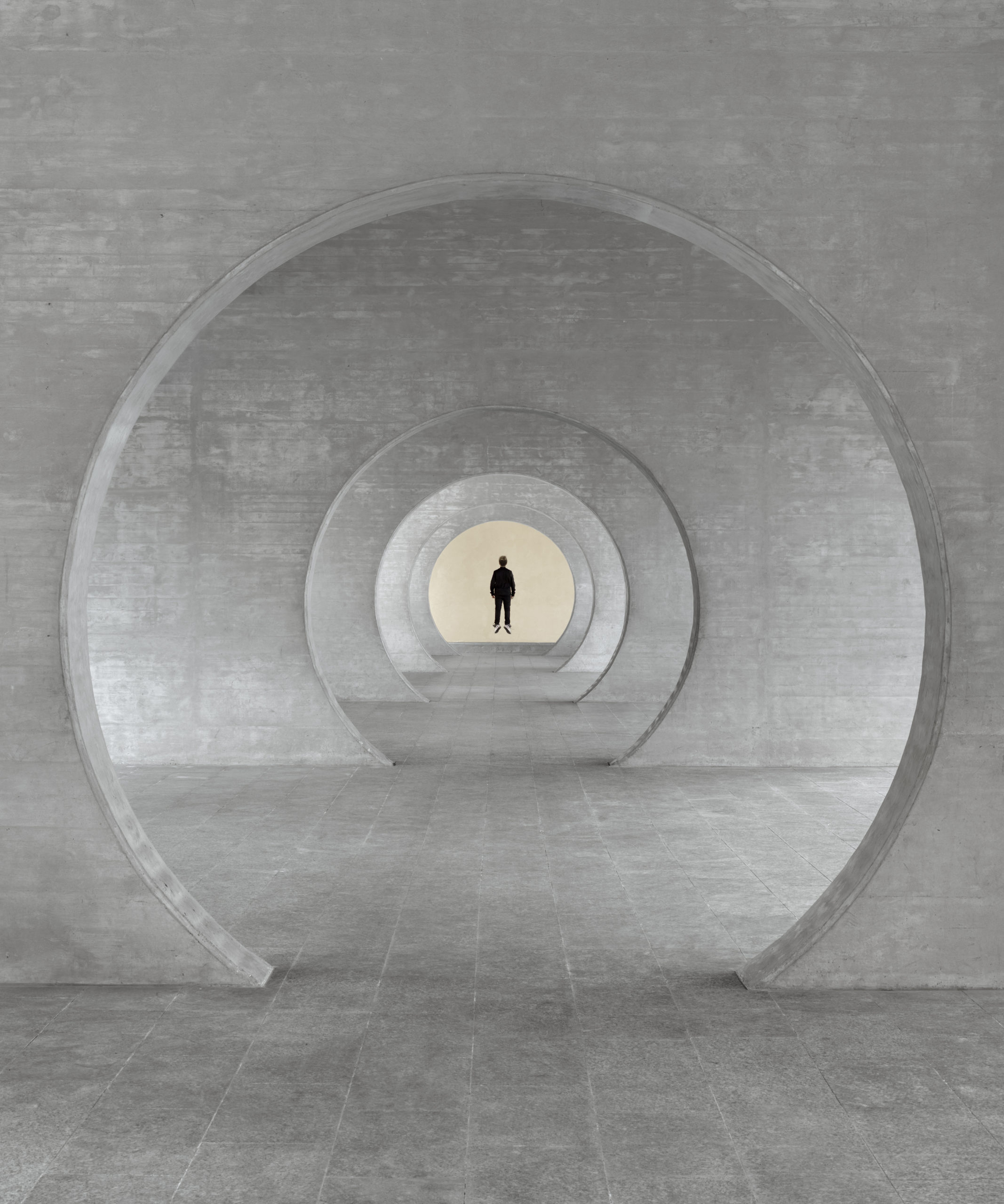
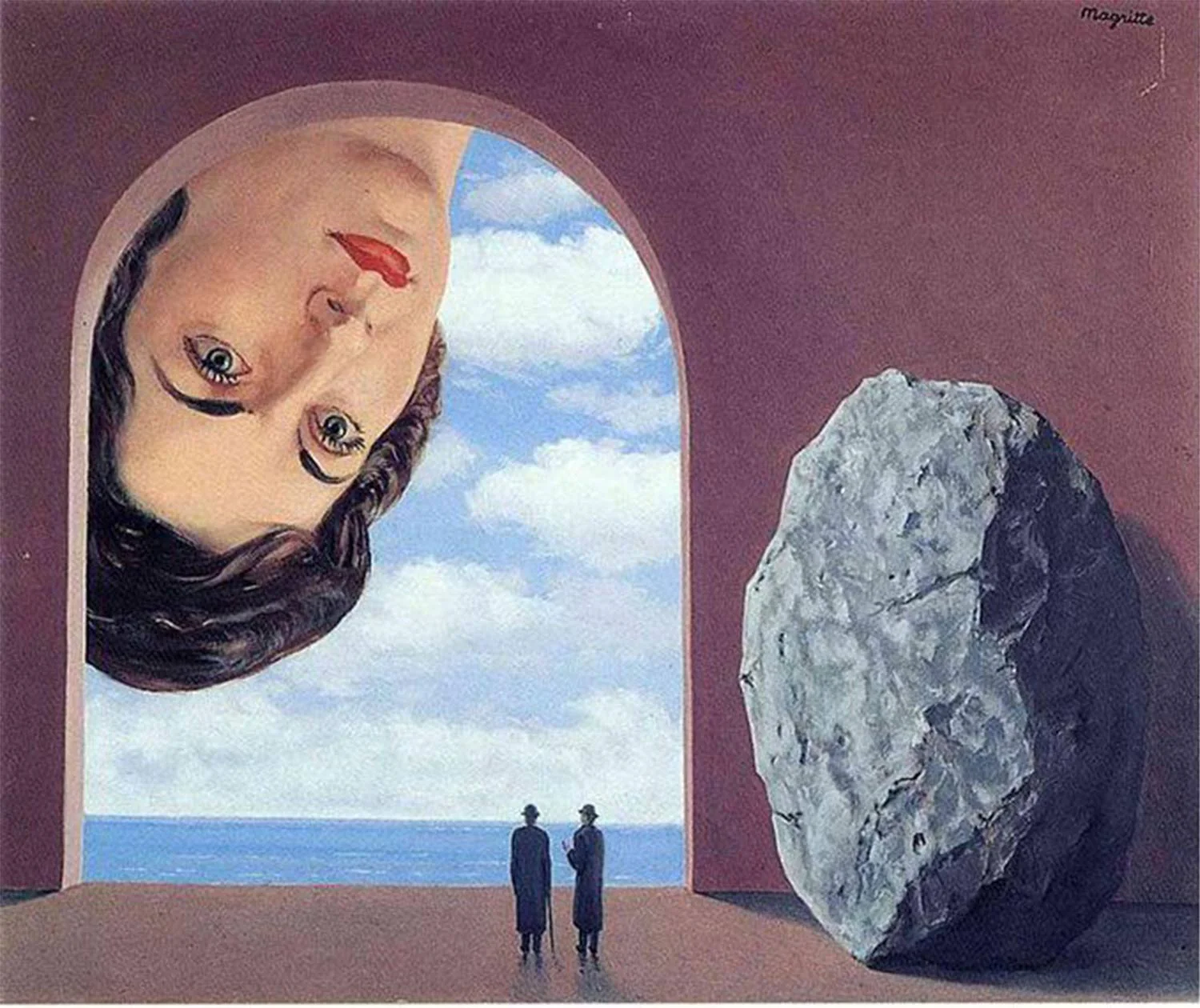
- What do you see first? What do you see next?
- How does that change how we feel about the picture?
Background
“frame within a frame” or picture‐inside‐picture structure (i.e., when one image includes or suggests another picture, window, doorway,arches, TV screen,mirror, etc.).
framing↔layers of story. The outer frame (the canvas) is one story; inside it, there may be another picture, window, mirror, or scene, which adds another layer/ story
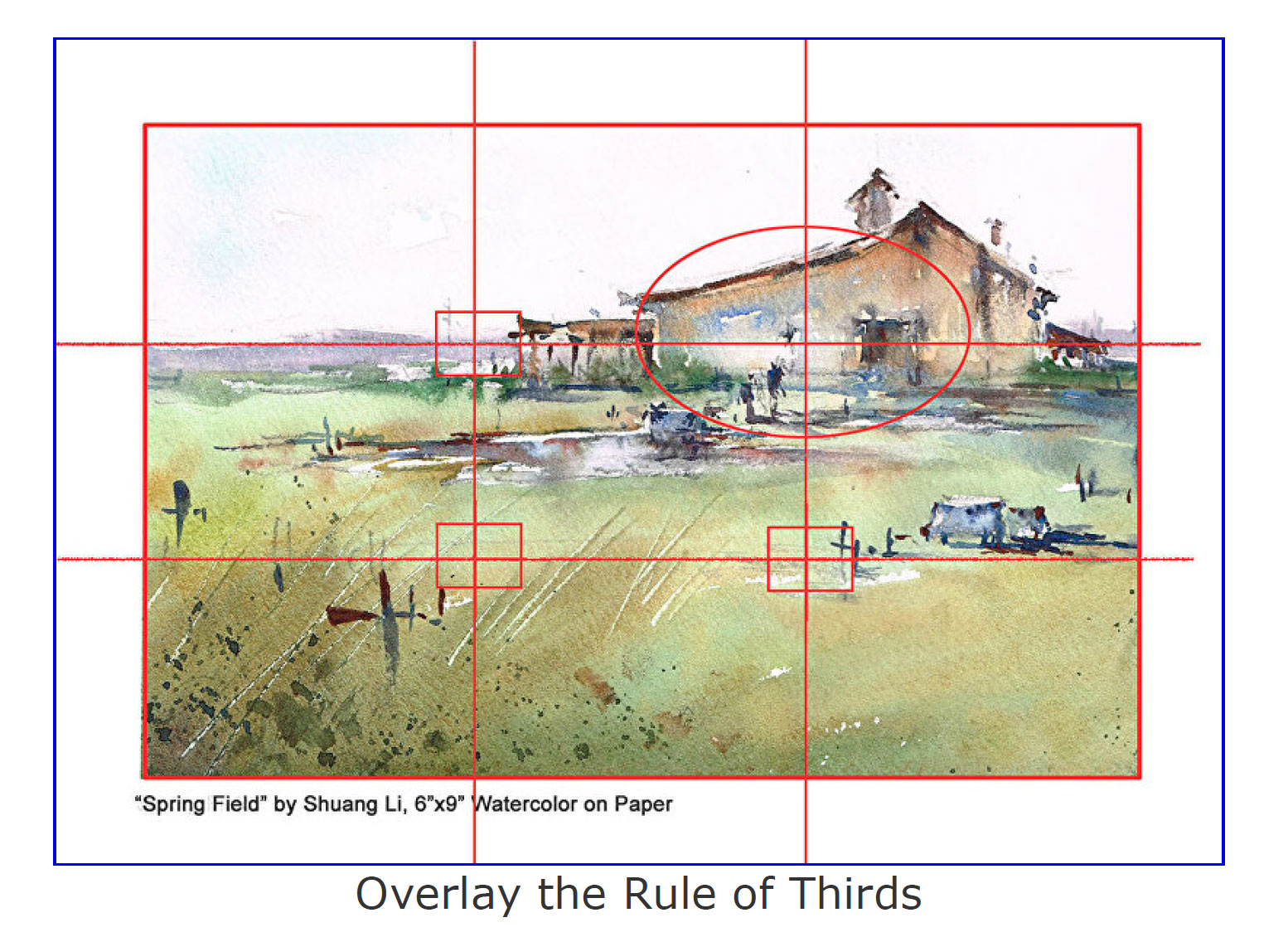
- Frame edges matter: The border of the canvas (or a photo) is the first “frame”. Everything inside it counts. The edges can push or pull elements.
- Rule of Thirds / Off-centre: Rather than always centering things, interesting compositions often place important items on intersections or off-centre.
- Framing devices:picture, window, mirror, doorways, arches,or scene
Grotto by the Seaside in the Kingdom of Naples with Banditti, Sunset (Gallery 246)
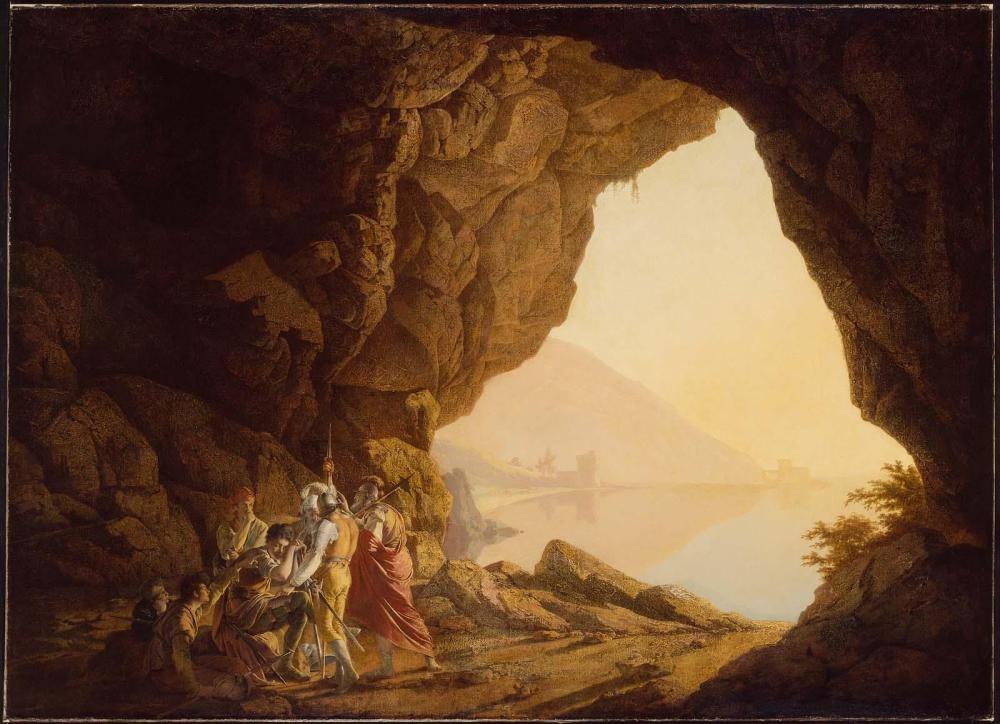
“Wright was an inventive and talented artist who painted portraits, landscapes, and unusual images of contemporary life. He spent most of his career in his native Derby in England, but a trip to Italy in 1773–75 provided much material for his art. He witnessed an eruption of Mount Vesuvius and sketched the grottoes off the coast of Salerno, near Naples; both subjects became favorites for his later work. ”
Two different frames:
- The grotto and sea
- the dark rock around the opening/The light from the sunset creates
Romanticism:late 18th century
fascination with wild nature, the sublime (nature impressive, even a bit scary), and human emotion in the face of nature.
- Why are the bandits there? What might they be doing? Why choose a cave by the sea at sunset? What mood is created?
- If you were inside that cave, what would you feel/look at first? Would you be drawn toward the sea or stay in the cave
Fall of the Rhine at Schaffhausen (Galleyr 251)
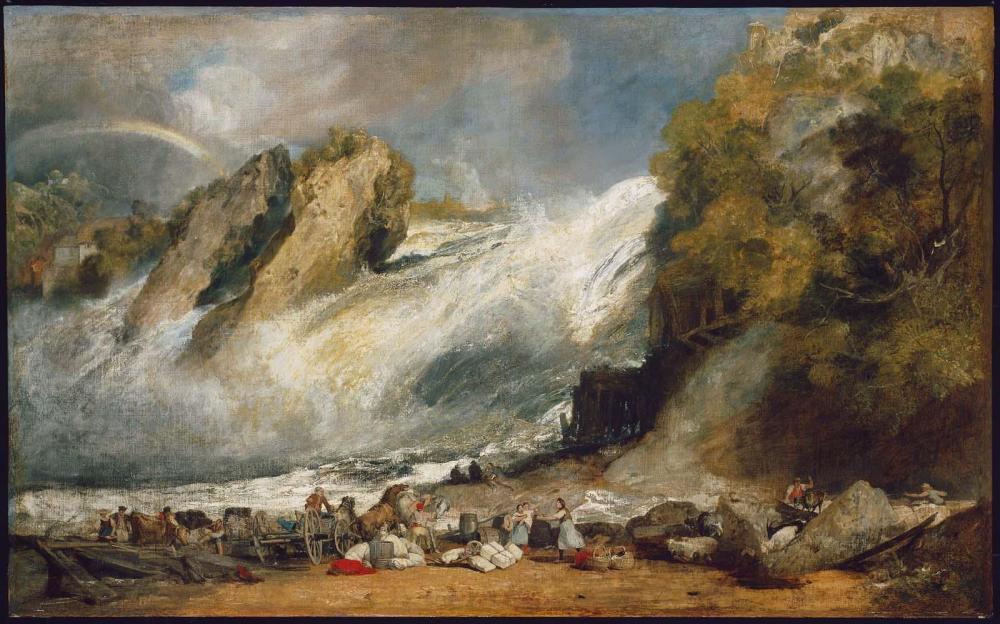
“In 1802 Turner visited the Swiss Alps, making more than four hundred drawings that he used for decades as source material for grand paintings. Here, he captured the force of the famous waterfall at Schaffhausen by flattening thick paint with a palette knife, so that the water seems to have the solidity and shape of the rocks. In the foreground, the activities of local inhabitants are dwarfed by the tremendous cascade. ”
Turner uses the waterfall’s enormous scale to show how nature can dwarf human beings.The viewpoint is low and close enough to make the viewer feel near the falls
- the waterfall is framed by rock formations, the sky, the mist.
- The water glows / shimmers, the spray catches light, the rocks are heavy and dark
- How the brushwork, texture, and scale (not just “what” is painted, but how) affect mood.
Activity
Promots:
A child looking out a window at a rainy street
A cat sitting in front of a mirror and seeing itself as a lion
A superhero in a frame on the wall coming to life into the room