Goal
- Recognize how an artist can be visually influenced by the work of their peers and predecessors.
- Create their own artwork that breaks down everyday objects into shapes and colors.
Cabbages (Gallery 226)
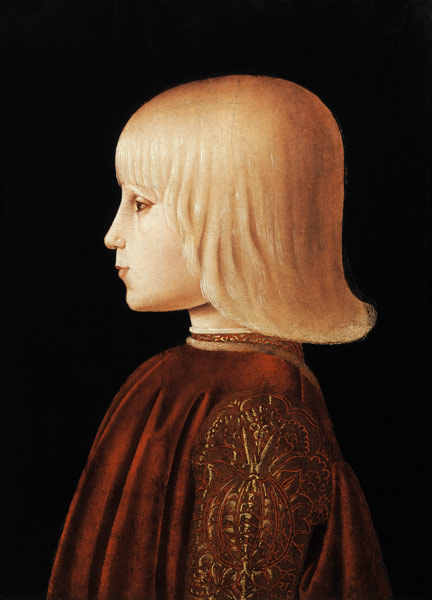
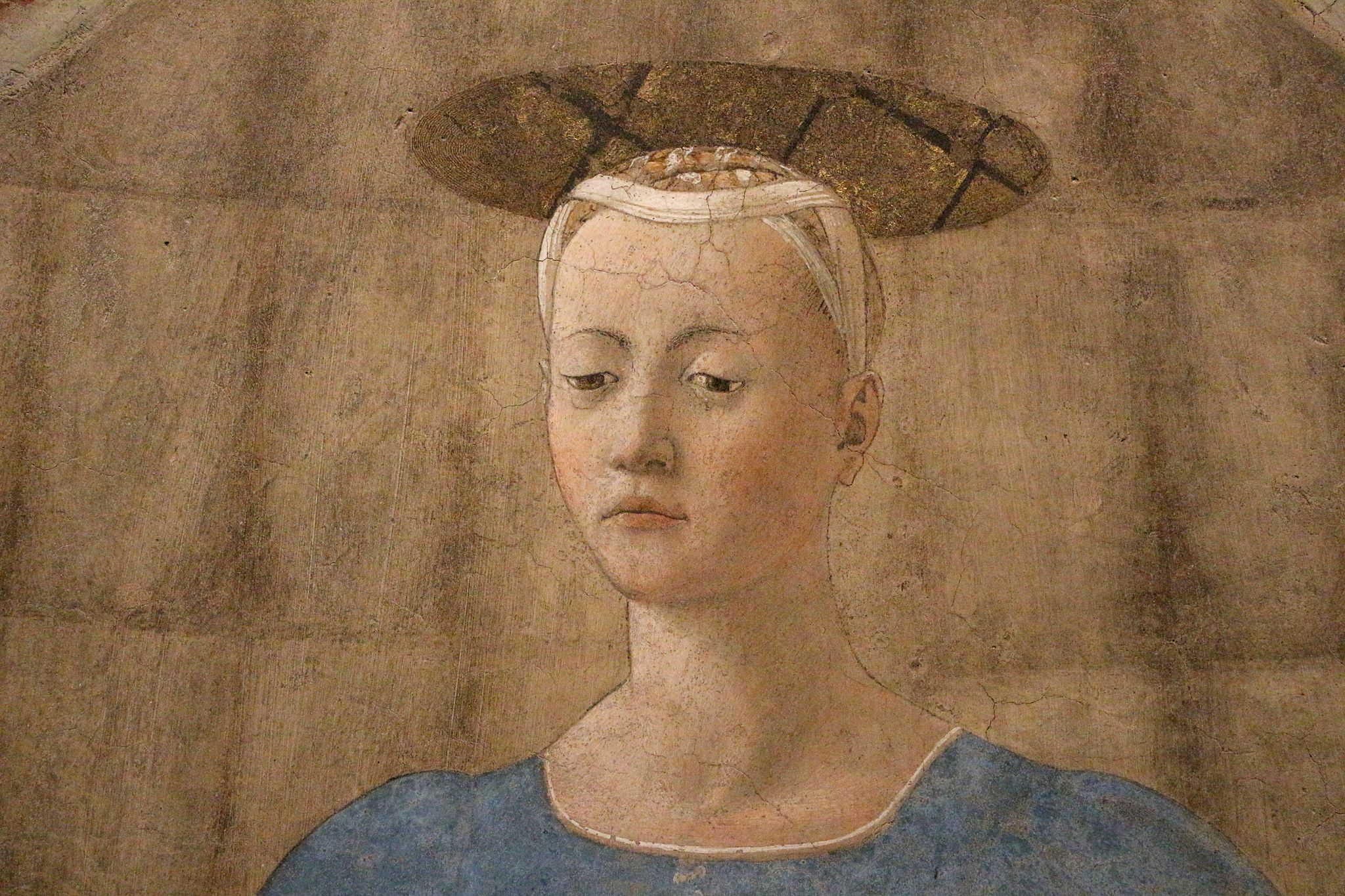
Piero della Francesca was known as a mathematician and geometer as well as an artist, though now he is chiefly appreciated for his art.
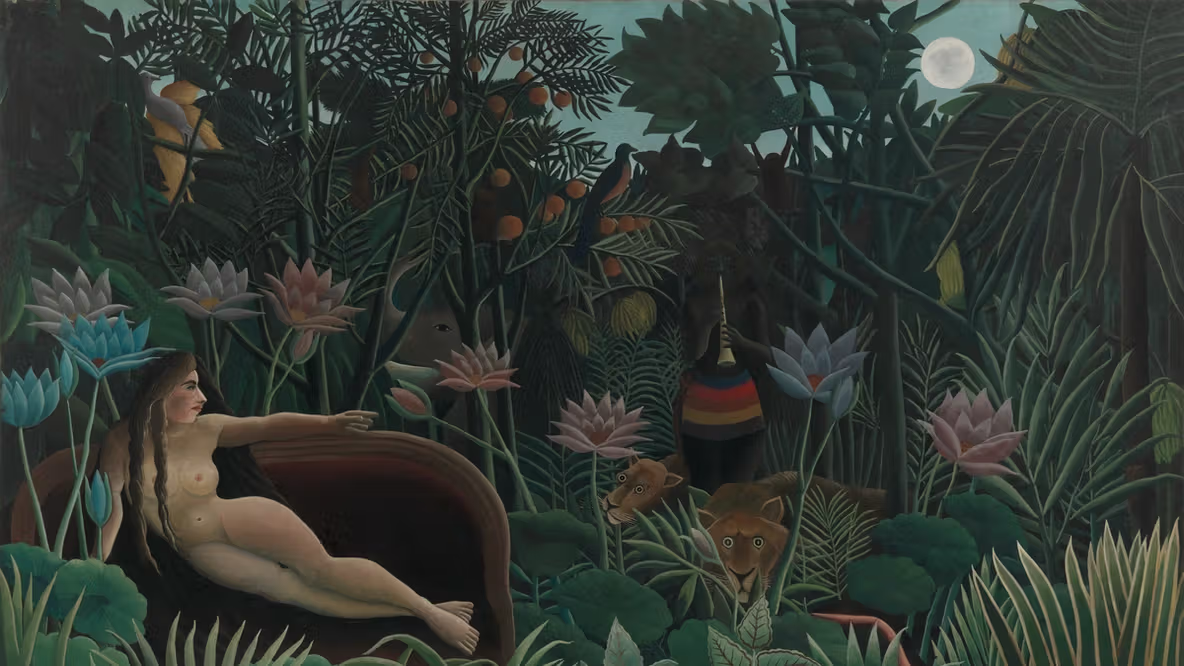
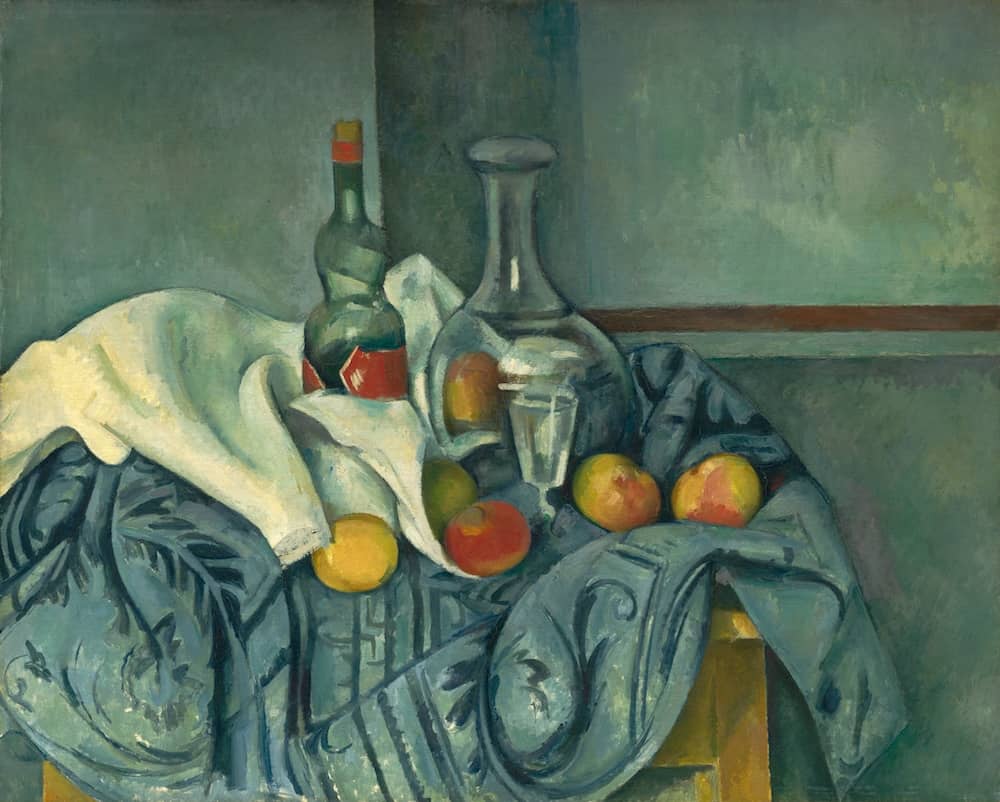
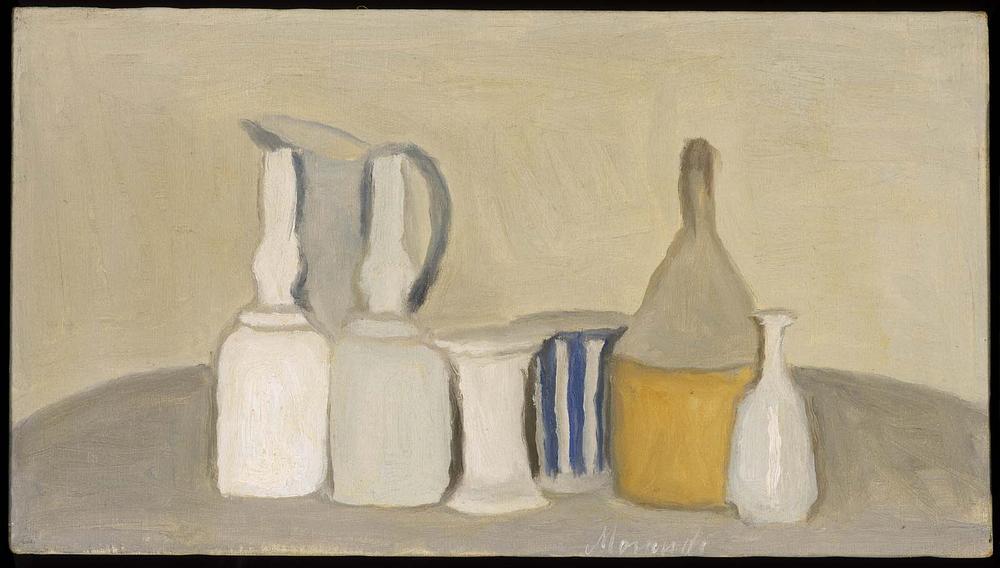
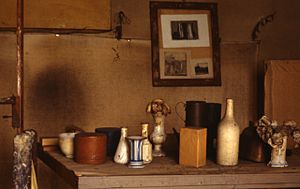
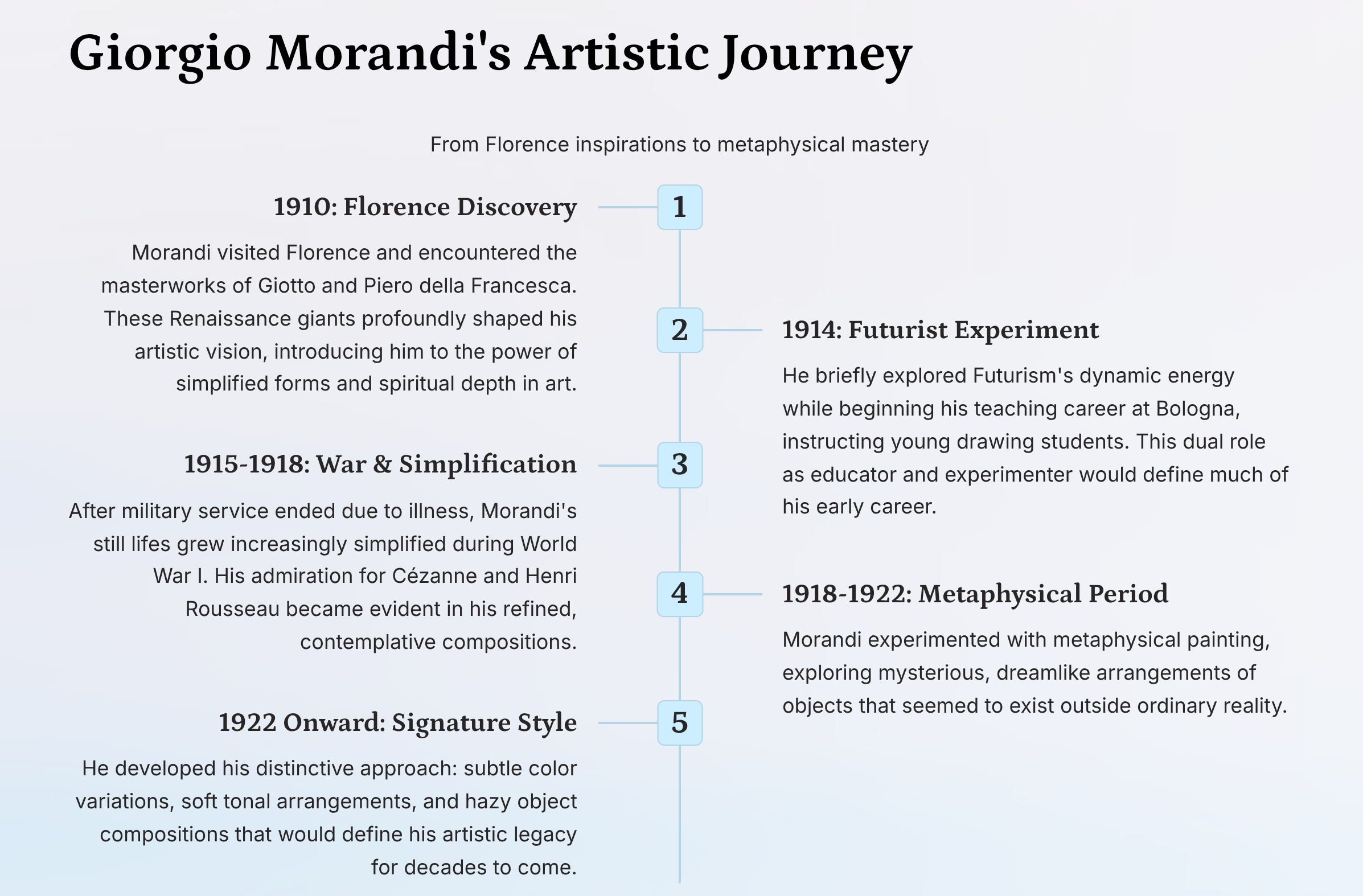
From these three artists, what influences can you see in Giorgio Morandi’s work?
Discussion
Find one thing in the painting you're curious about. Draw it, then write down a question about it.
- Which part of this painting feels the most inspired to you?
- "Where do you sense the artist’s spark of genius in this painting? Which area?
Activity
As part of our class theme—learning how artists transform ordinary objects into works of art—we will go on a museum “object hunt.” Students will carefully explore the galleries, looking for everyday objects hidden in paintings or displays. After choosing objects that inspire them, each student will create their own drawing.
Paris Boulevard at Night (Gallery 255)
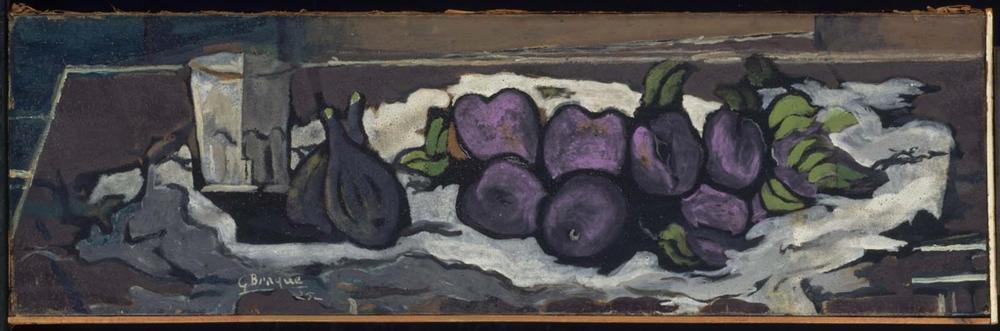
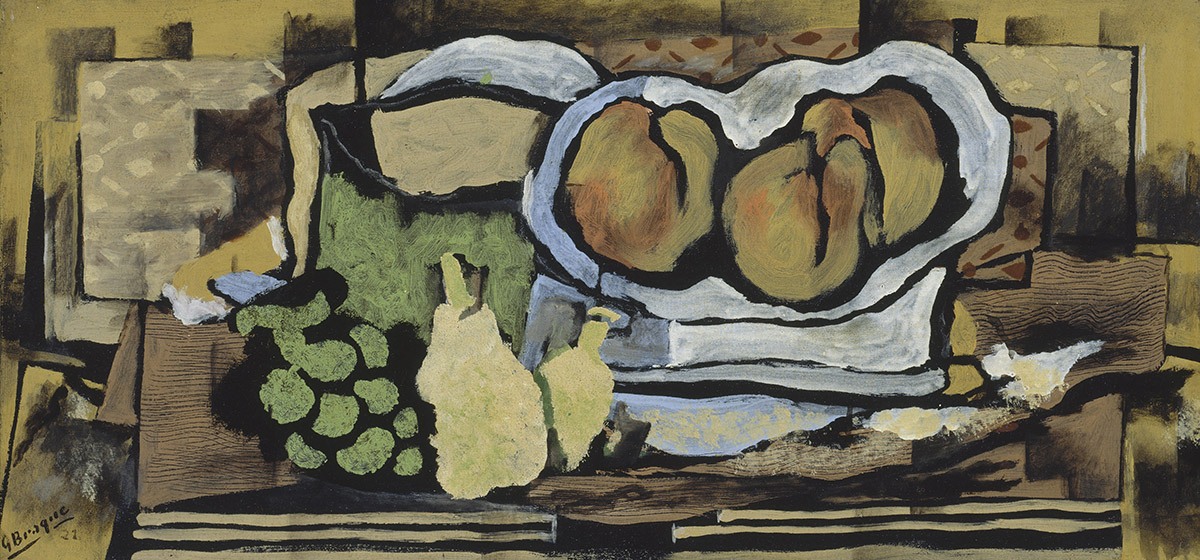
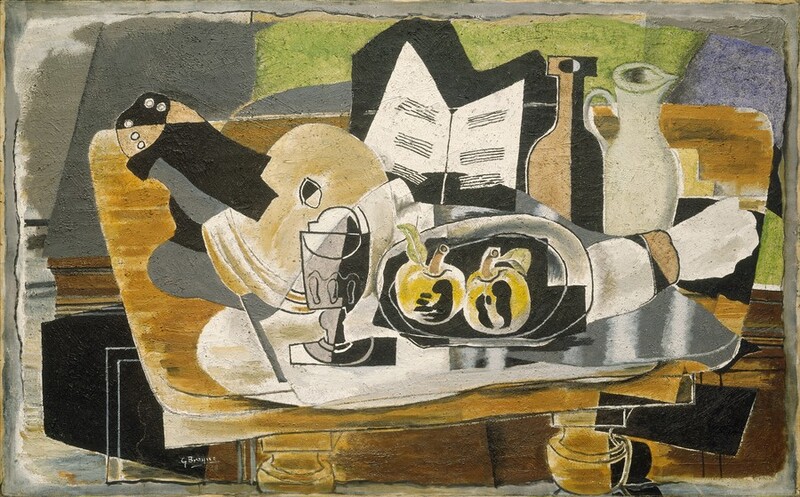
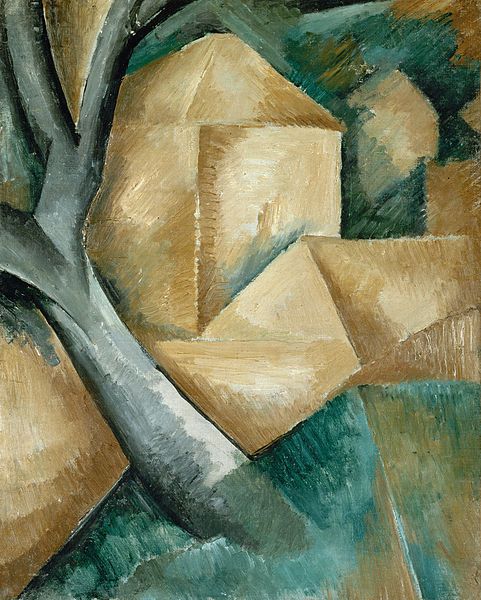
Houses of l'Estaque,1908
Braque's paintings made over the summer of 1908 at l'Estaque are considered the first Cubist paintings. After being rejected by the Salon d'Automne, they were fortunately exhibited that fall at Daniel-Henri Kahnweiler's Paris gallery. These simple landscape paintings showed Braque's determination to break imagery into dissected parts.
Timeline: Georges Braque
- Early Years (before 1909)
- Studied at the School of Fine Arts in Le Havre.
- Continued his studies in Paris, where he discovered the works of Cézanne, Van Gogh, and the Impressionists.
- 1908
- Painted Houses of l’Estaque, which are considered the first Cubist paintings.
- These landscapes broke imagery into dissected parts, laying the groundwork for Cubism.
- Although rejected by the Salon d’Automne, they were exhibited at Daniel-Henri Kahnweiler’s Paris gallery, gaining recognition.
- 1909–1914
- Worked closely with Pablo Picasso.
- Together they developed Cubism, expanding on Fauvism with:
- New themes
- Bold lines
- Darker color schemes
- A revolutionary approach to form and space
- Post–World War I (1925 onward)
- Resumed development of his own style, still Cubist, but with more focus on color and texture.
Discussion
- If you could zoom into this painting, what would you most want to see more clearly?
- What is the most mysterious area of this painting to you? What makes you curious about it?