Introduction
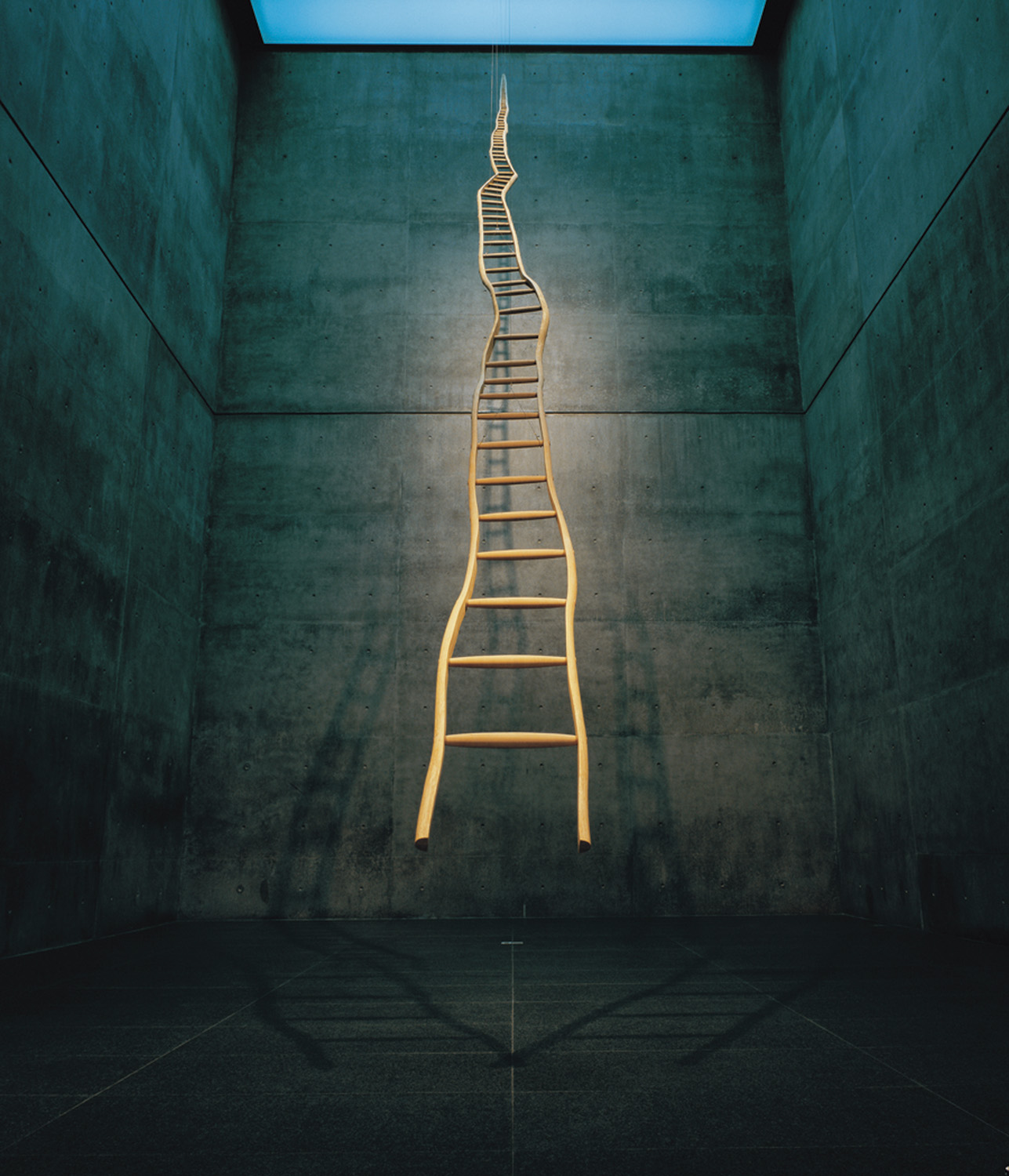
As ne of the most renowned artists working today, Martin Puryear is celebrated for his elegant but playful sculpture and his devotion to craft.
Martin Puryear Exhibition
Born and raised in Washington, D.C., the son of a postal employee and a schoolteacher, Puryear took an early interest in the natural sciences and often visited the Museum of Natural History and the National Zoo. Frequent visits to the National Gallery of Art helped stimulate his interest in art. In his youth, he studied crafts and learned how to build guitars, furniture, and canoes through practical training and instruction.
After graduating from college, Puryear served in the U.S. Peace Corps in Sierra Leone(West Africa-no electricity and teaching English, French, biology, and art.), where he studied with local potters, weavers, and woodcarvers, and gained an appreciation for the techniques of the region. Following his time in Africa, he went on to Stockholm, where he studied printmaking at the Royal Swedish Academy of Art. Along with sculpture, printmaking has remained central to his practice.
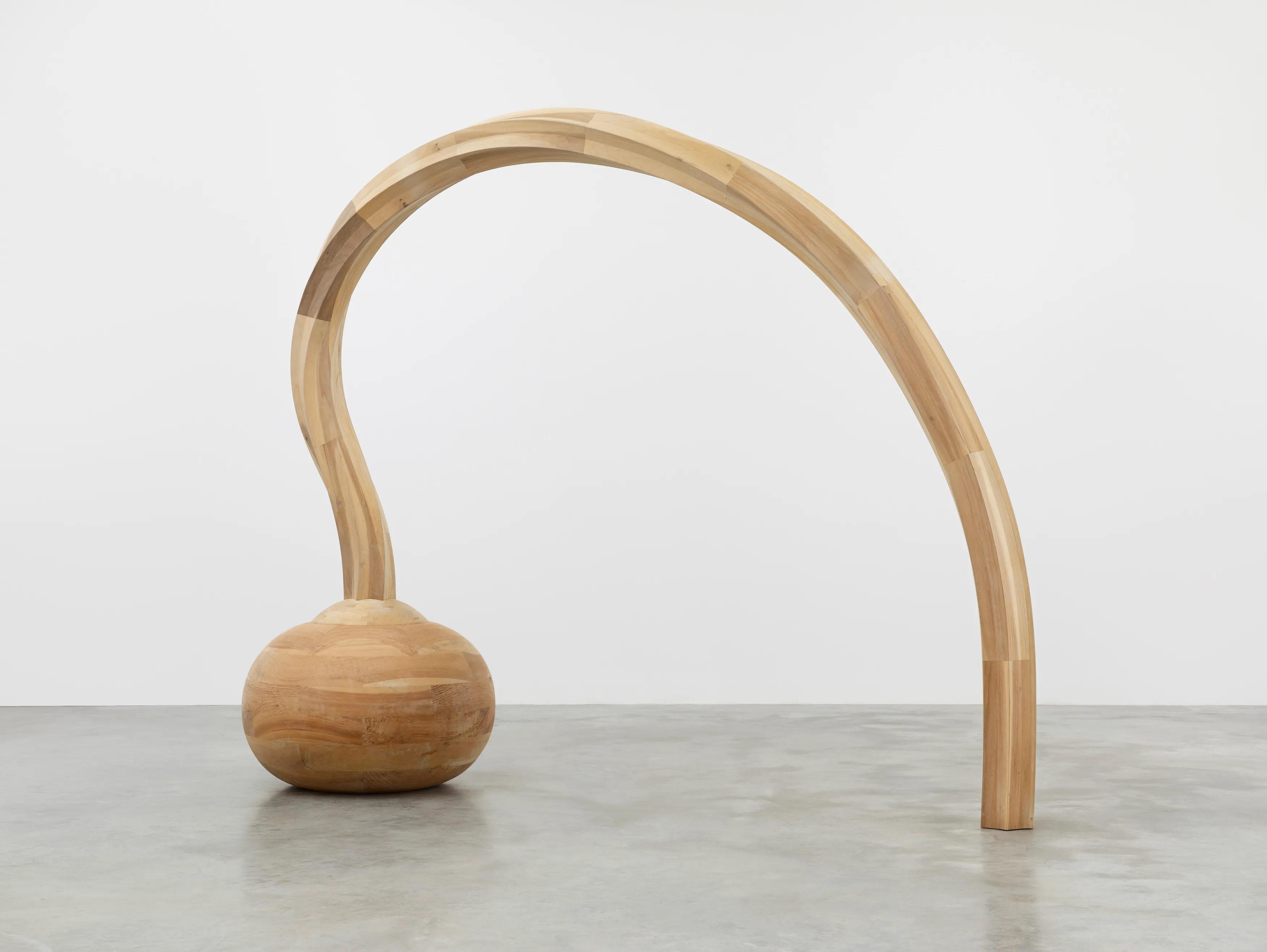
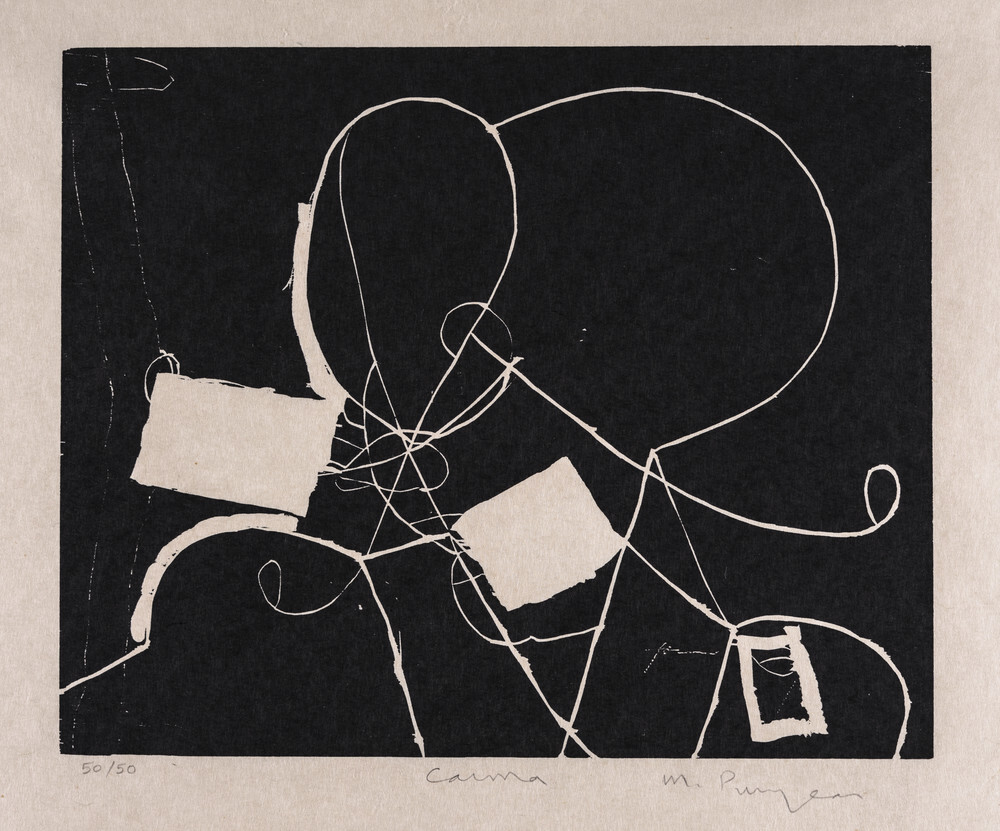
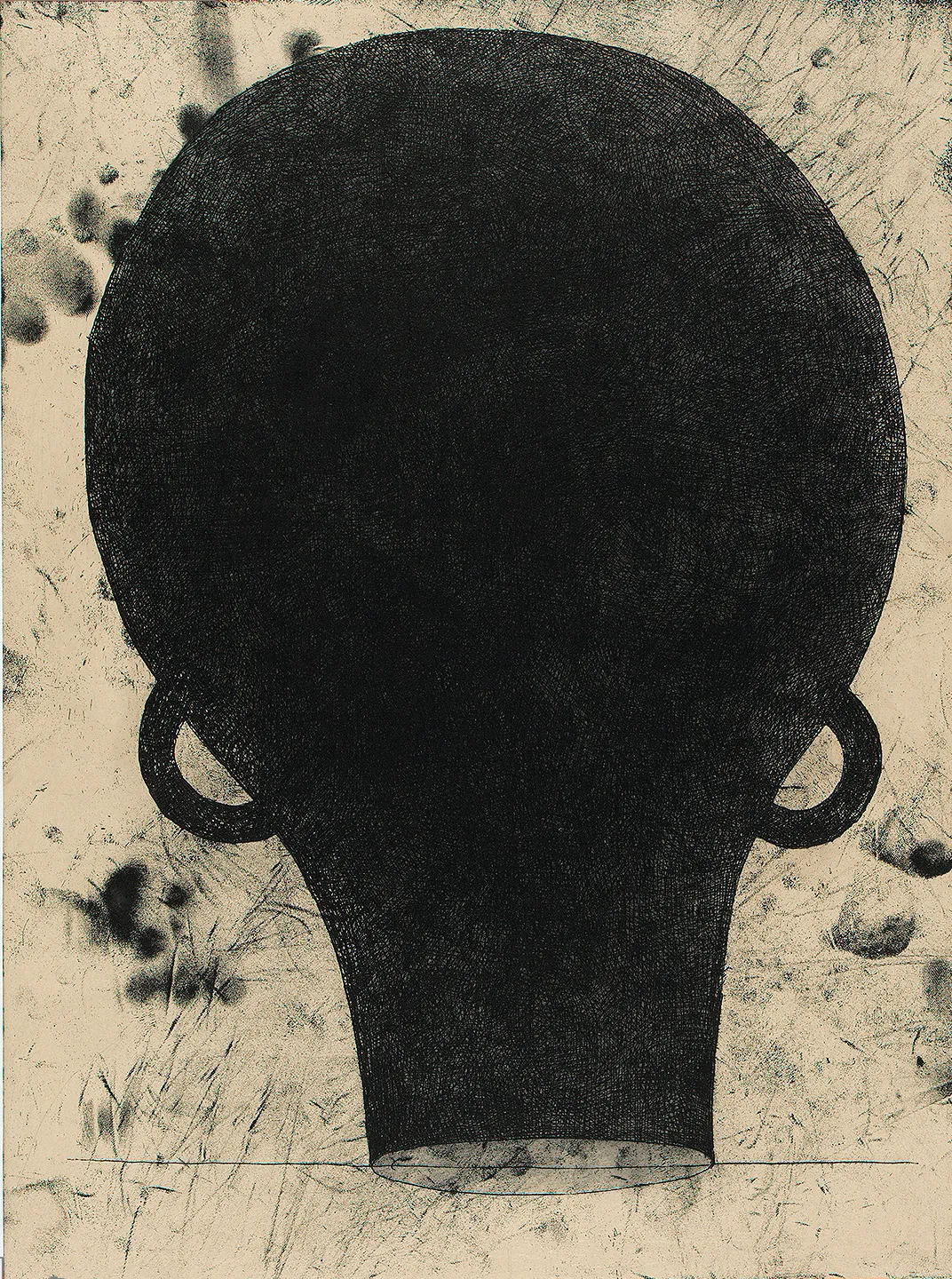
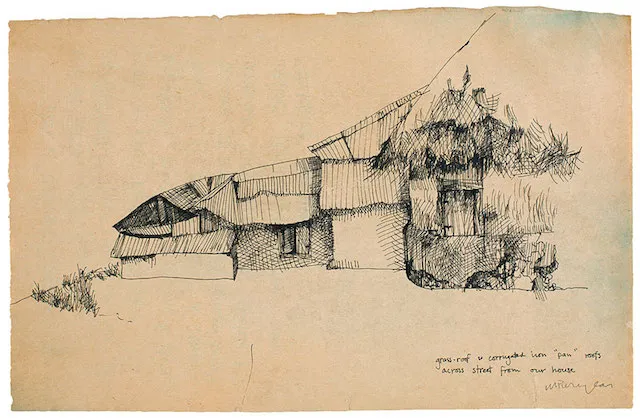
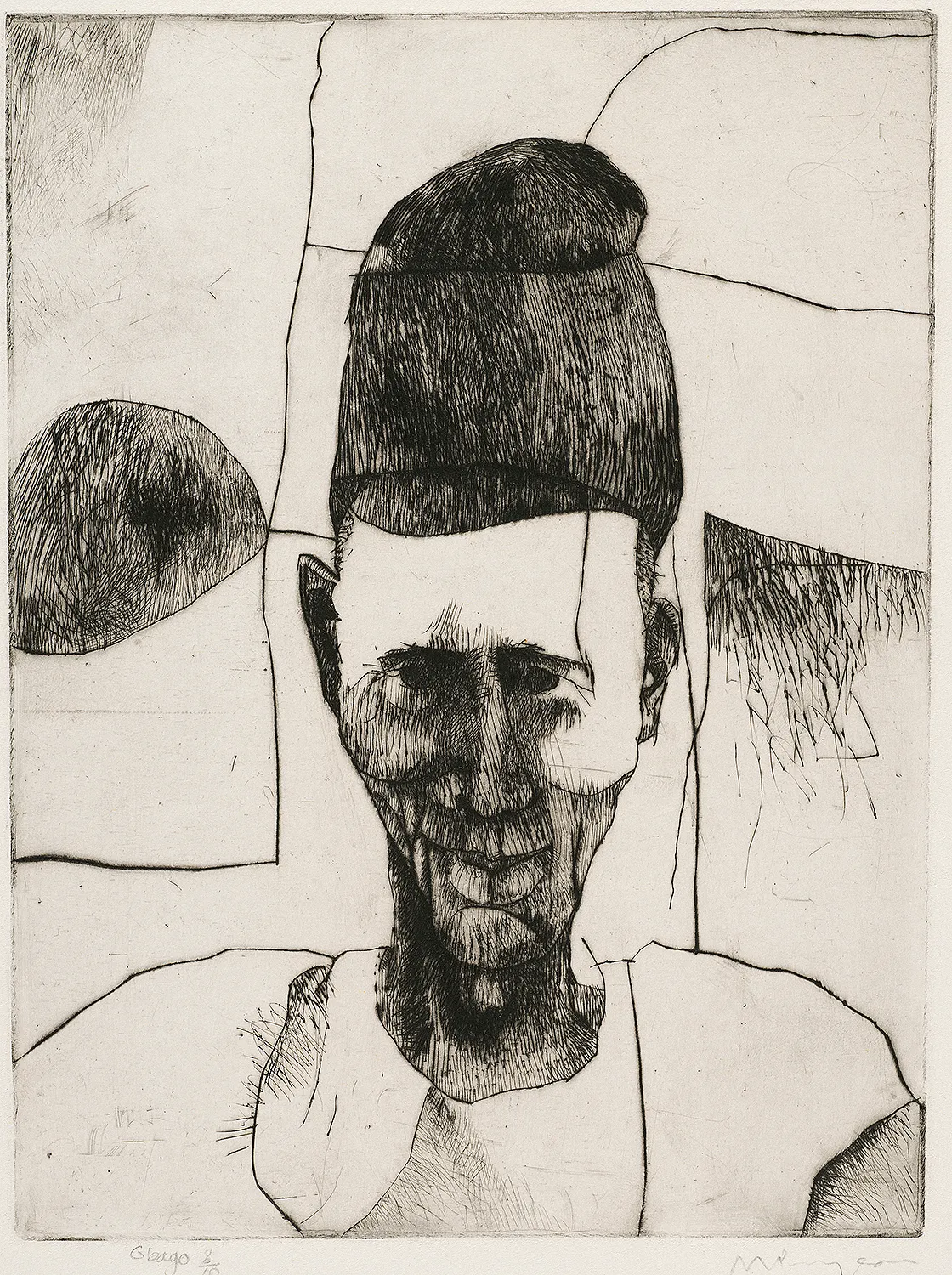
Rather than bring a camera to Sierra Leone, Puryear decided to make drawings and woodcuts as a record of his experience. While it was easier to take a picture, he wanted to document his engagement with a particular subject, whether it was a person, a hut, a beetle or a cactus, all of which became subjects of his drawings and woodcuts.
Discussion
What might he be thinking about? Does the work have to be meaningful?
Martin said, “It‘s in the work” work itself can speak
He makes work that is about the presentation of the work itself and what went into the making of the work as an object.
Background
How to understand “Material”? Do we have to create meaning?
Material = the substance something is made of, the raw content or source you are working with.
- The medium itself matters
It’s not only what the picture shows, but also how it exists. A photo isn’t just about the image; the paper, the colors, or the pixels on a screen are part of the artwork’s meaning.
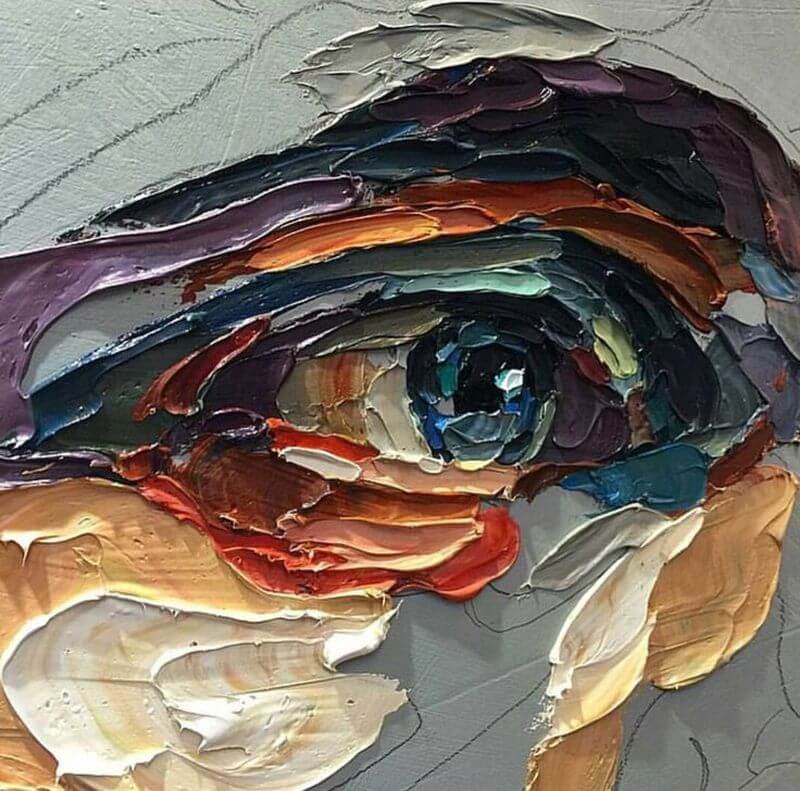
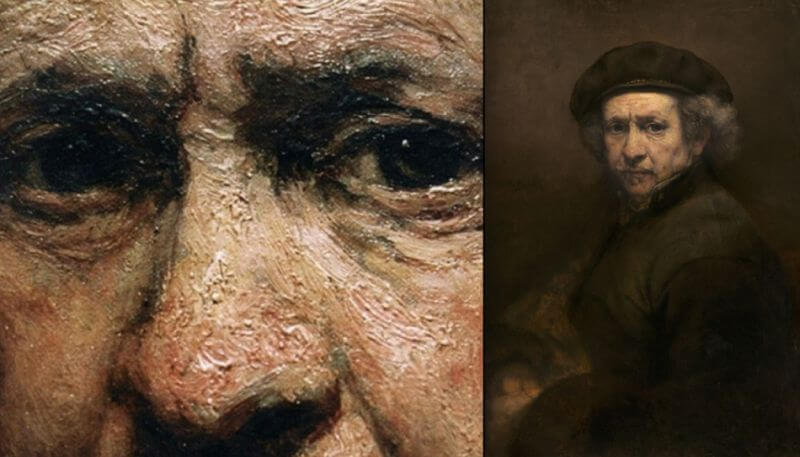
- In painting: when an artist uses very thick paint (called impasto), you can see the brushstrokes and feel the paint’s texture. This shows the materiality of the paint itself, not just the picture.
- In sculpture: the cold feeling of iron, the warmth of wood, or the rough surface of stone are all part of the artwork’s meaning — not just the shapes the artist made.
- In painting: when an artist uses very thick paint (called impasto), you can see the brushstrokes and feel the paint’s texture. This shows the materiality of the paint itself, not just the picture.
- It’s more than just the “story”
Usually, we ask: “What does this artwork mean?” But materiality asks: “What is this artwork made of, and how does that matter?” For example, if an artist builds a sculpture from broken glass, the sharpness and danger of glass are part of the meaning.
“Treat text as material” → Don’t just read it for meaning, but notice the typography, rhythm, sound, layout, the way it resists or enables interpretation. The“thingness”nof the text becomes important.
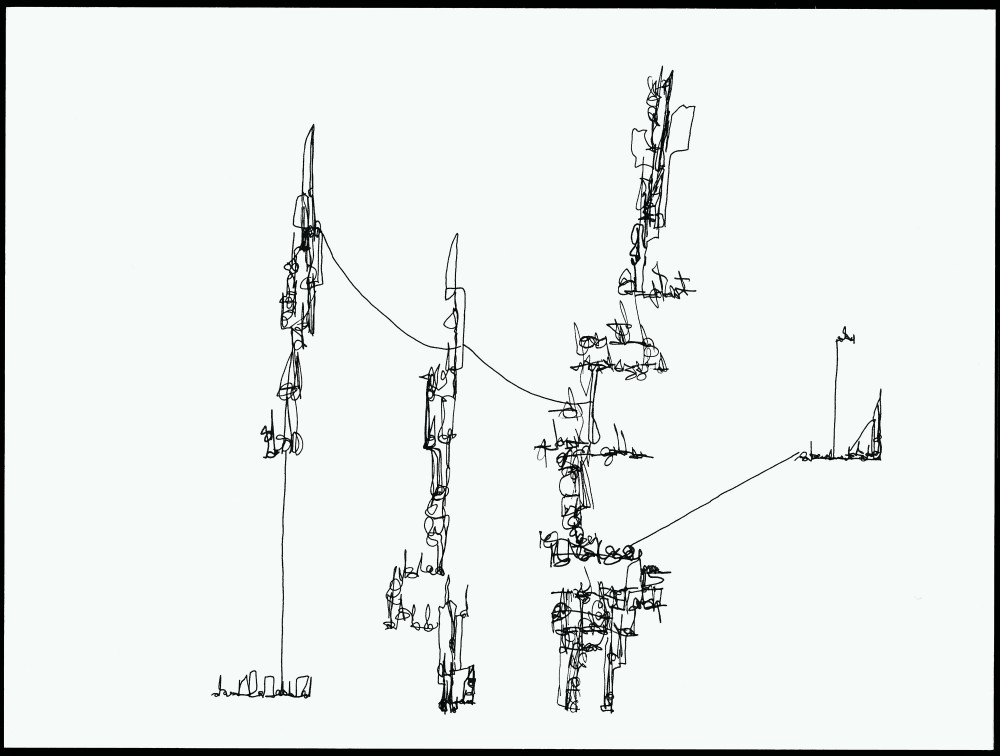
Renee Gladman, Prose Architecture 41 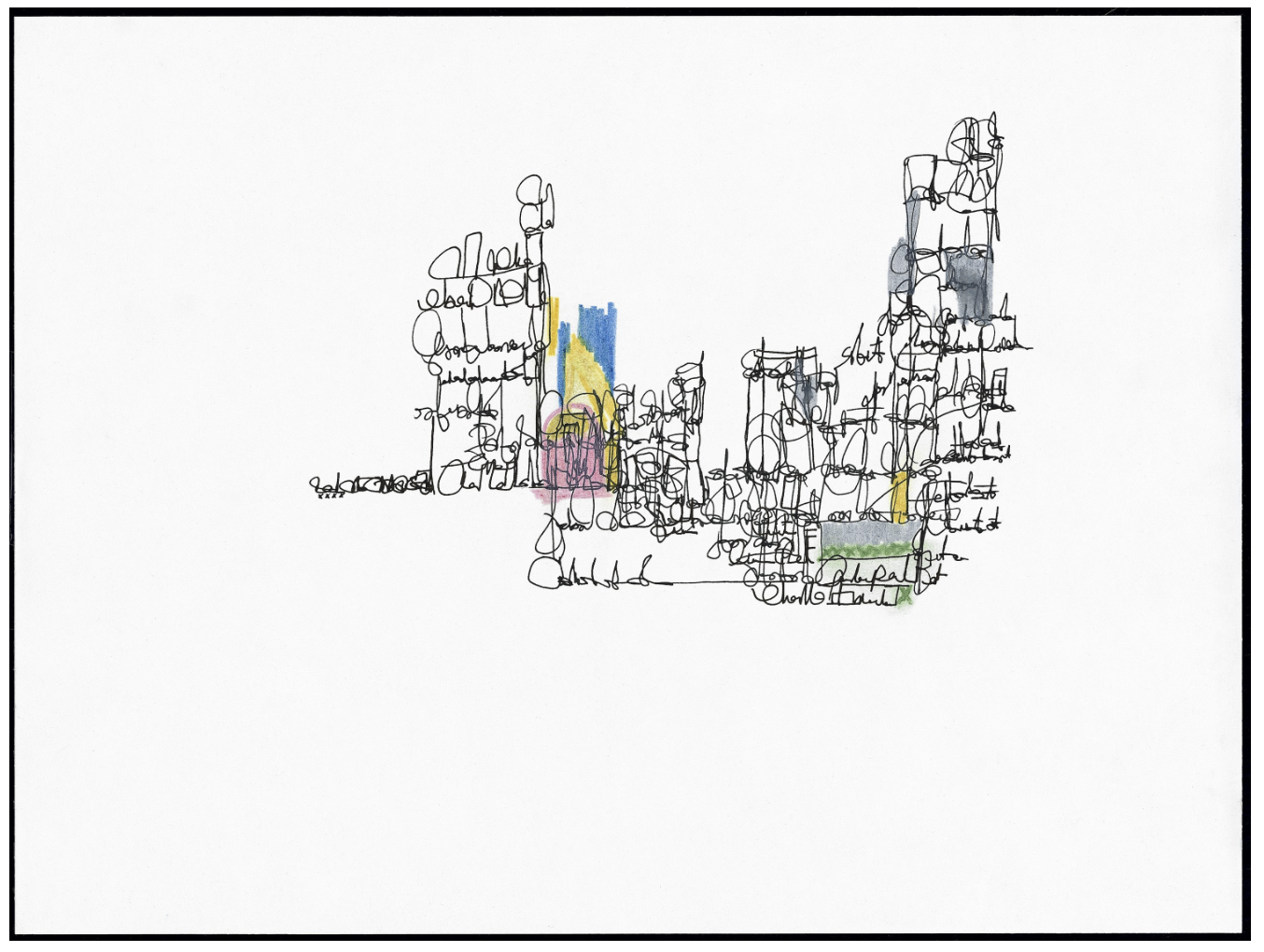
Renee Gladman, Prose Architecture 252 - Artists listen to materials
Artists don’t just force materials to do what they want. They also notice what the materials themselves can do. Wood has lines and patterns, paint drips in certain ways — and artists use those natural qualities in their work.
Activity
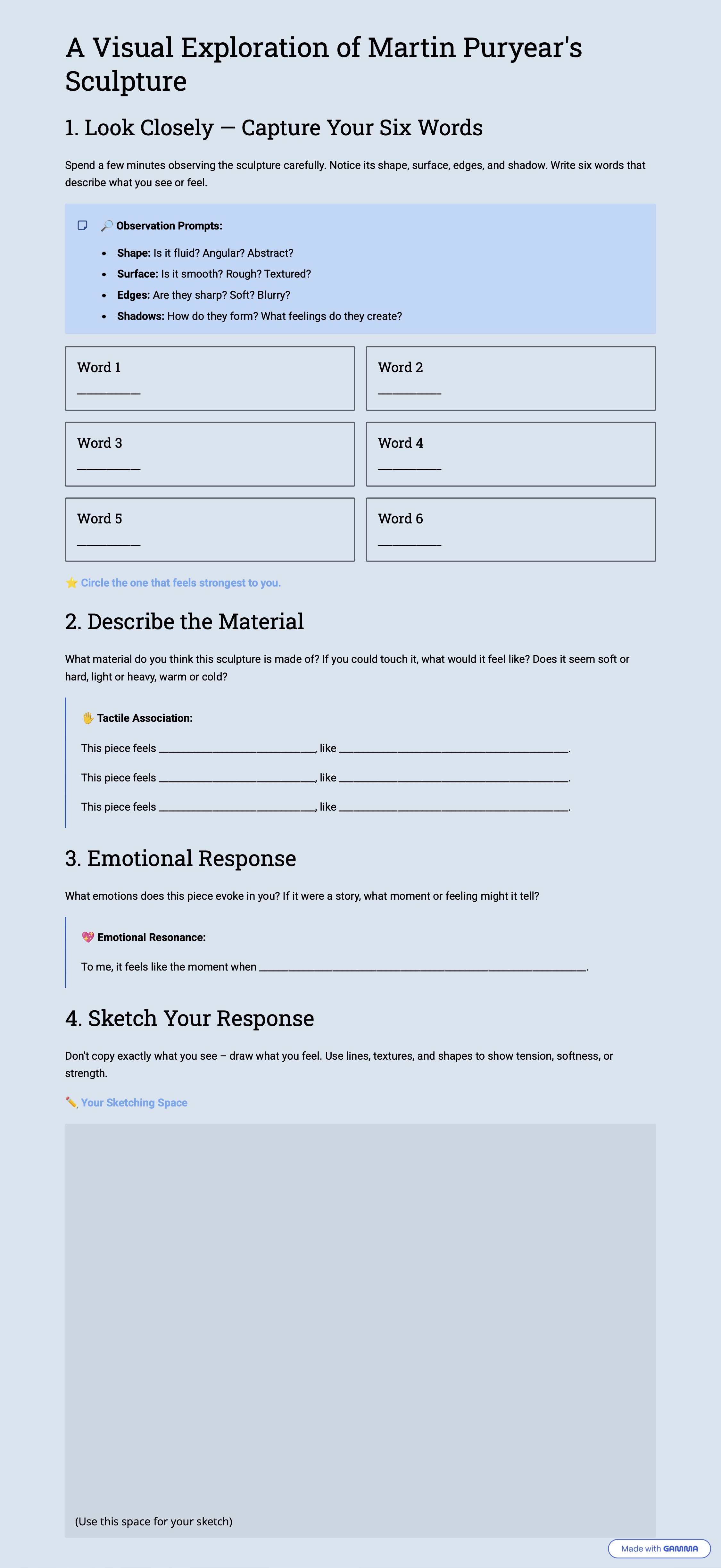
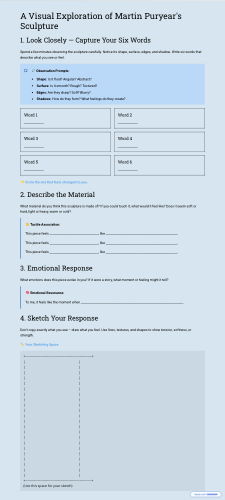 Shared in class
Background
Minimallist? “"Confining artists to a single style, or confining oneself to a single style, is a form of narrow-mindedness"
It can actually move in a direction that has got some representational tendencies, or at least some allusive tendencies. Or some kind of tendencies that are very suggestive. I mean, my work is not minimalist. The kind of abstraction I practice is probably an earlier kind of abstraction, where I’m not committed to simply presenting a form that has to be addressed only on the terms that I say it can be addressed at, which is, I think, what minimalists are.
Books and videos!
Start form 7:52