Introduction
Artists explore patterns to create visual appeal, rhythm, and harmony, which can evoke emotions, tell stories, and convey meaning. Patterns satisfy our innate human need to find order, but can also be used therapeutically, to establish a distinct style, or to create optical illusions. Patterns are fundamental to art's structure, providing a foundation of shapes and colors that can be used for a wide range of expressive purposes
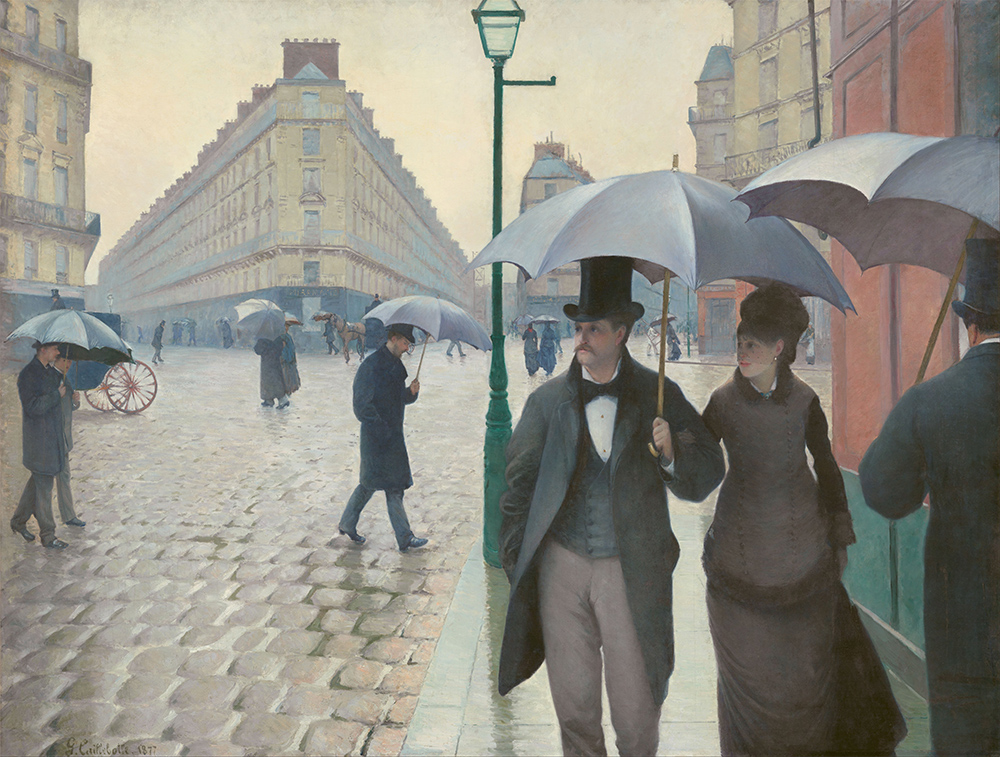
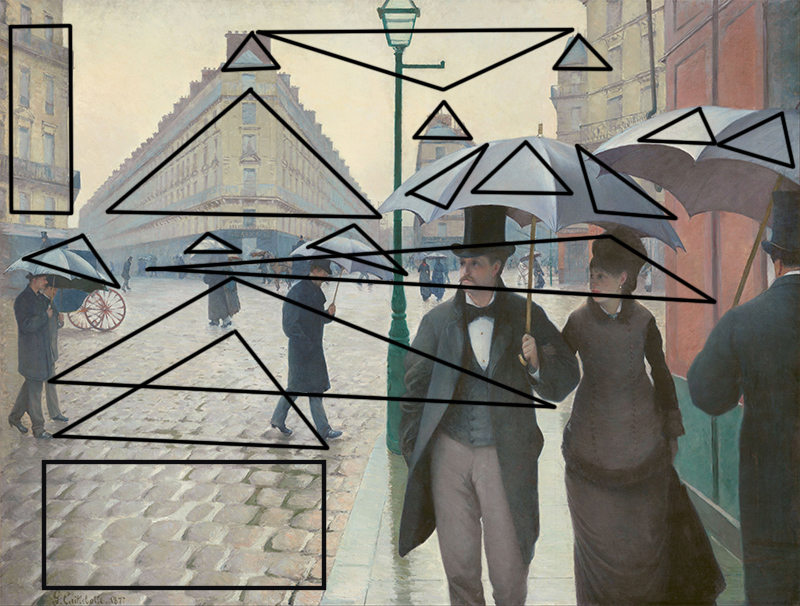
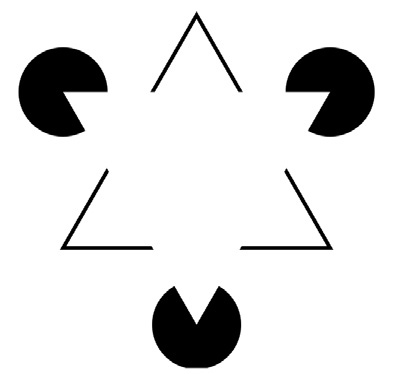
The Kanizsa triangle illusion
The psychologist Elizabeth Margulis has shown us that human beings find repetition pleasurable.
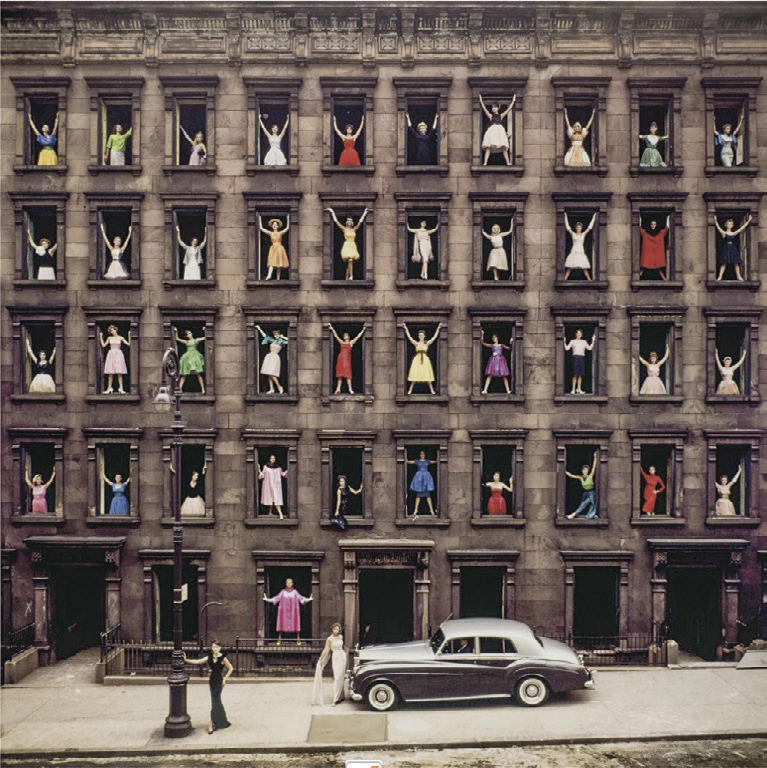
Ormond Gigli, “Girls in the Windows,” 1960
Black River (Gallery 259)
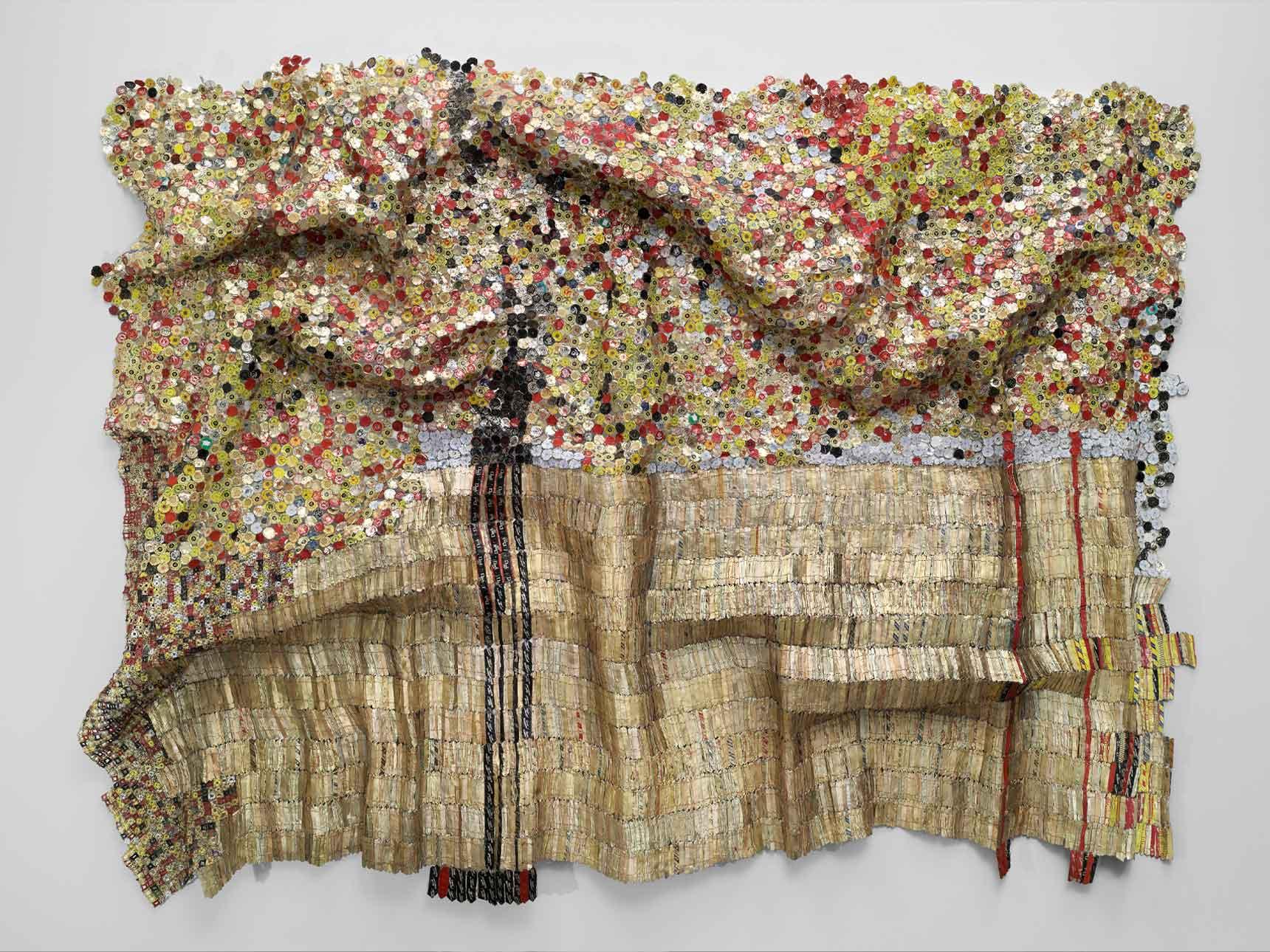
El Anatsui is a renowned Ghanaian-born artist famous for creating large-scale sculptures from recycled materials, especially flattened liquor bottle caps. His art combines traditional African aesthetics with his experimental approach, using found objects like wood, clay, and metal scraps, and is celebrated for transforming "trash" into high art. His work often incorporates traditional African symbols and techniques to comment on globalization, consumption, and post-colonial identity.
FYI:
Globalization
Imagine everyone in the world is in one big group chat!People, ideas, and things travel really fast — music from Korea, clothes from France, toys from China, apps from America.
We can learn from each other — but sometimes things get mixed up or lost, too.
Art example:
When you see African patterns on sneakers, or Japanese manga characters painted in New York — that’s globalization in art!
Consumption
Every time we buy food, clothes, or toys, we’re part of a big story of “who made it, where it came from, and what happens after.”Some people buy too much and throw things away quickly — others try to reuse or recycle.
Art example:
Artists like El Anatsui use bottle caps and old metal to make art — turning trash into treasure — to show how people consume and waste materials.
Post-Colonial Identity
A long time ago, some countries were controlled by others, and their stories were told for them.Now, artists and people from those places want to say: “Wait, this is our story, and this is how we see the world.”
It’s about finding your own voice and being proud of your culture.
Art example:
When an artist mixes traditional African cloth patterns with modern materials, they’re saying — “We’re part of today’s world, but we also remember where we came from.”
1. Pattern Observation
| Element | Description |
|---|---|
| Shape / Motif | e.g., circles, waves, geometry, plants, animals, symbols… |
| Repetition Type | Grid Radial Mirror Random Stripe Spiral |
| Medium / Technique | Painted Woven Carved Printed Stitched Cut |
| Color Scheme | Describe the color palette, contrast, or tone relationships |
| Cultural Symbolism | Meaning or associations (e.g., luck, nature, power, daily life) |
2. Pattern Analysis
- What rhythm or movement do you notice in the pattern?
→
- What feeling does it give you? (e.g., calm, energetic, elegant, chaotic...)
→
- Does it remind you of something from your own culture or daily life?
→
3. Pattern Remix / Your Creation
Draw or describe your own version of the pattern inspired by what you saw:
Books and videos!