Rachel Ruysch Exhibition
Rachel Ruysch was born in 1664 and grew up in a world that was both vibrant and dynamic, characterized by the intersection of art and science. She totally flipped the script on still-life painting, selling her work for more than even Rembrandt made, while also helping out with significant scientific discoveries—all that, plus raising ten kids.
Her mom, Maria Post, came from a super creative family: Maria’s dad was Pieter Post, the famous architect, and her uncle, Frans Post, was a well-known landscape painter. Rachel’s dad, Frederik, added the science side—he was a doctor and plant expert. Rachel helped him label jars, giving her a close-up look at plants, flowers, and bugs.So Rachel basically had creativity and curiosity running in her veins from the start.
Discussion
Question: Do you think it was harder for a woman to be an artist back then?\
In the 1600s, most people thought women should stay home, take care of children, and not work in jobs like painting. Girls usually weren’t allowed to go to art schools, and they often couldn’t join the official artist groups (called guilds) that gave men special training and chances to sell their art.
That means:
- Women had fewer teachers and fewer chances to learn.
- They weren’t invited to paint big things like churches, palaces, or famous portraits.
- Many people didn’t believe women could be “serious artists.”
Looking Closely
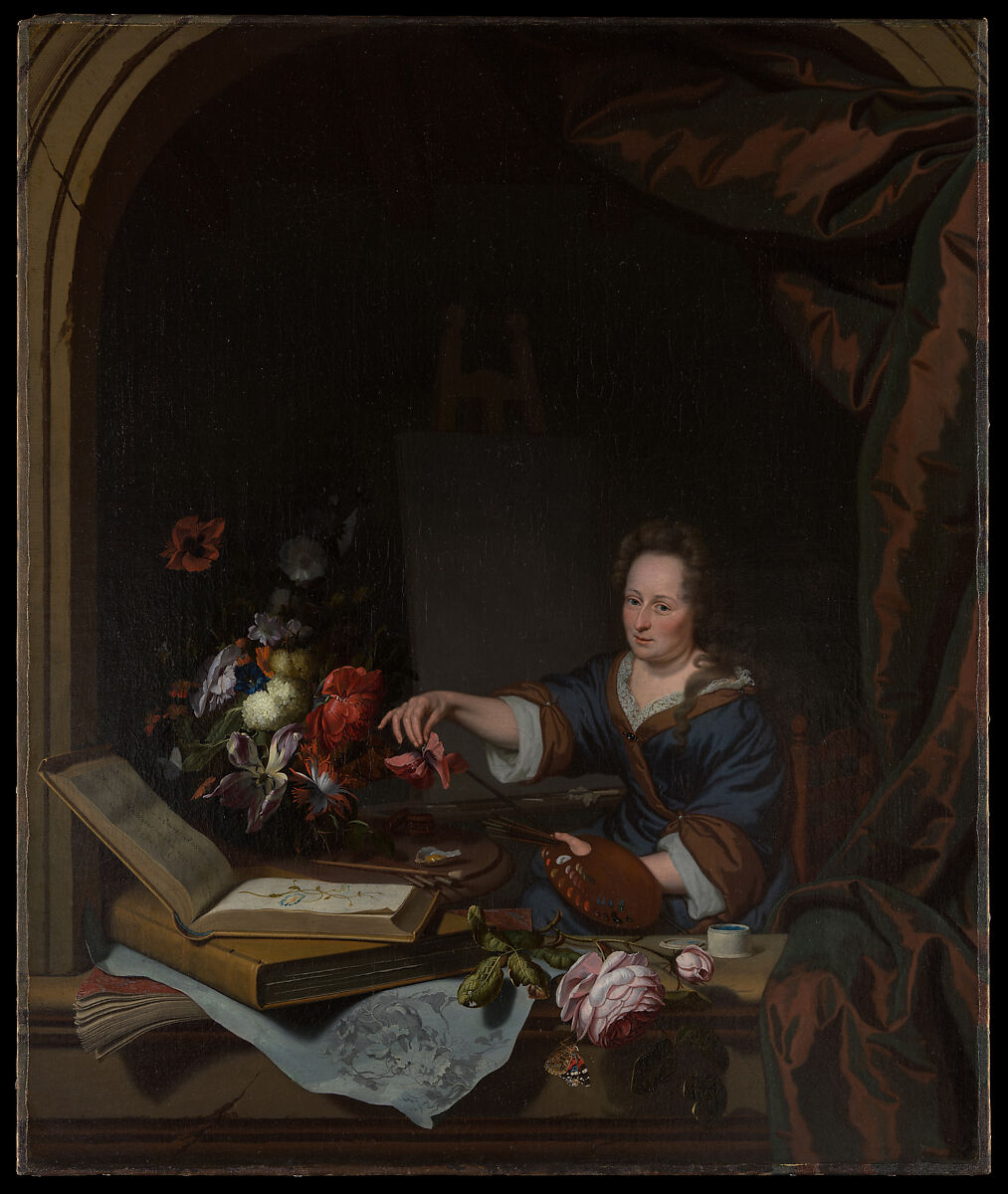
Rachel’s works sold for as much as 1,200 guilders for a single canvas. By means of comparison, “Rembrandt never got really more than 500 guilders for a painting!
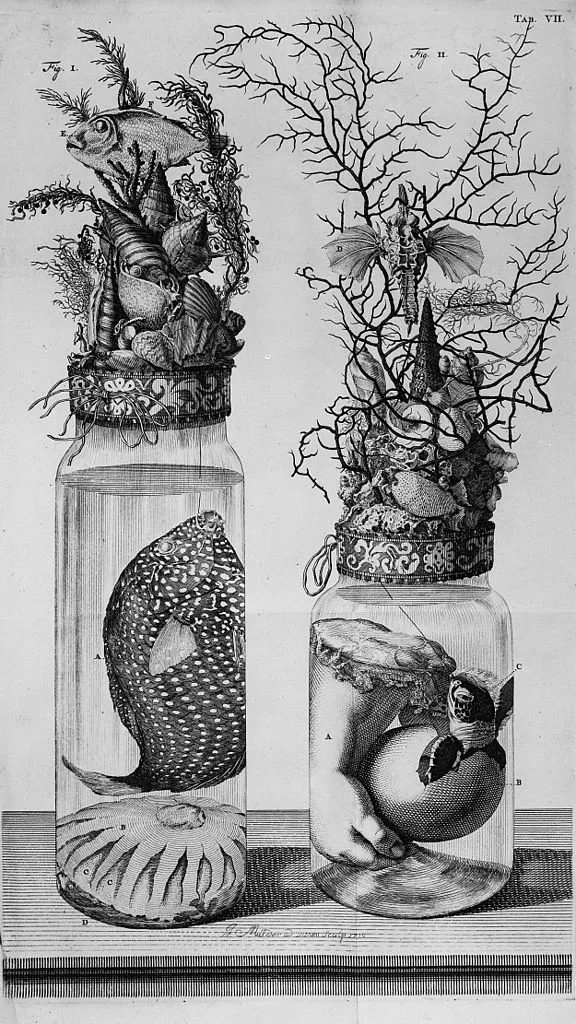
Growing up around these spoils inspired Ruysch to obsessively sketch flora and fauna.Her father’s Wunderkammer included floral specimens from across the globe, and her paintings of riotous, tangled bouquets blended breeds that flowered in different seasons and grew in various parts of the world. In other words, Ruysch created bizarre ecologies where apple blossoms and orange lilies could bloom in concert.
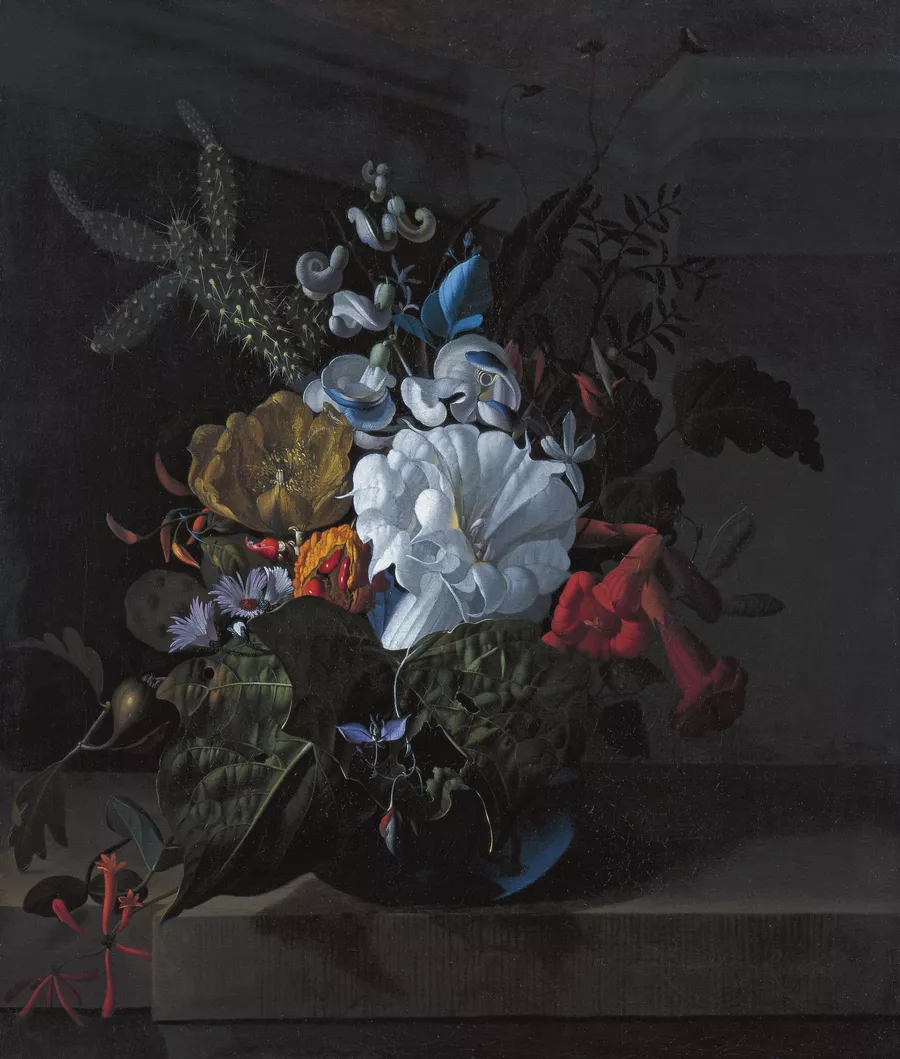
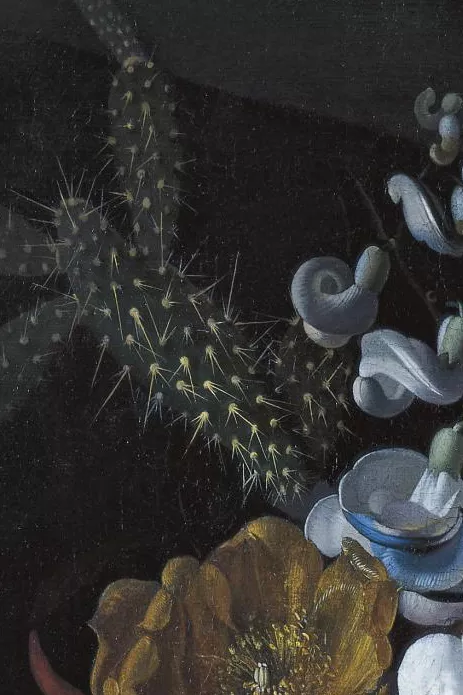
She was also one of the first Western painters to include cacti in her still lifes
Discussion
Question: Rachel’s brushwork is delicate and exceptionally precise. And here is her process. How long do you think it would take her to finish one of these detailed flower paintings—one week, one month, or more?
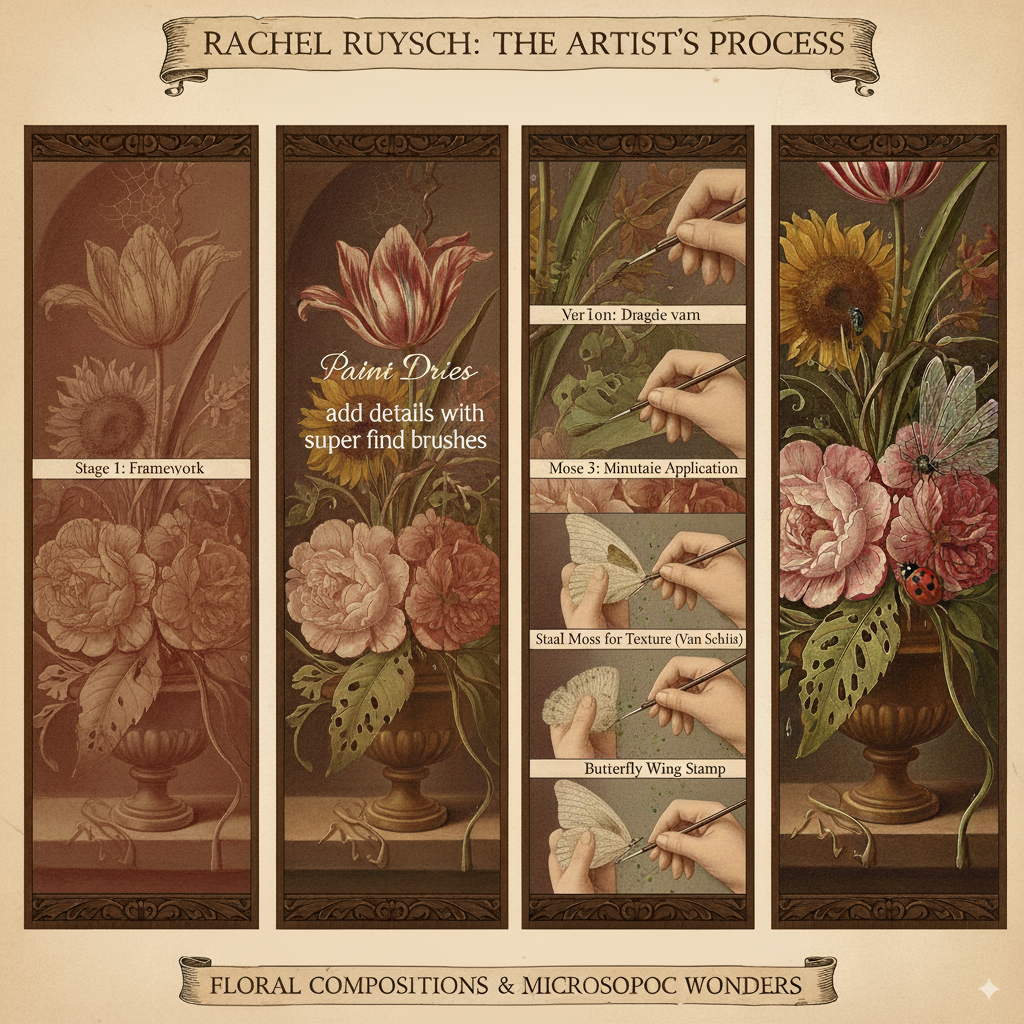
Find one thing in the painting you're curious about. Draw it, then write down a question about it.
- Which part of this painting feels the most inspired to you?
- "Where do you sense the artist’s spark of genius in this painting? Which area?
Activity
We will do lots of drawing in the exhibition style to learn:
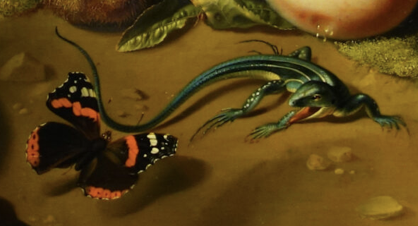
- Observation Practice
Study flowers and insects carefully, paying attention to their forms, shapes, and colors. Look closely—sometimes the smallest details reveal the most surprising beauty.
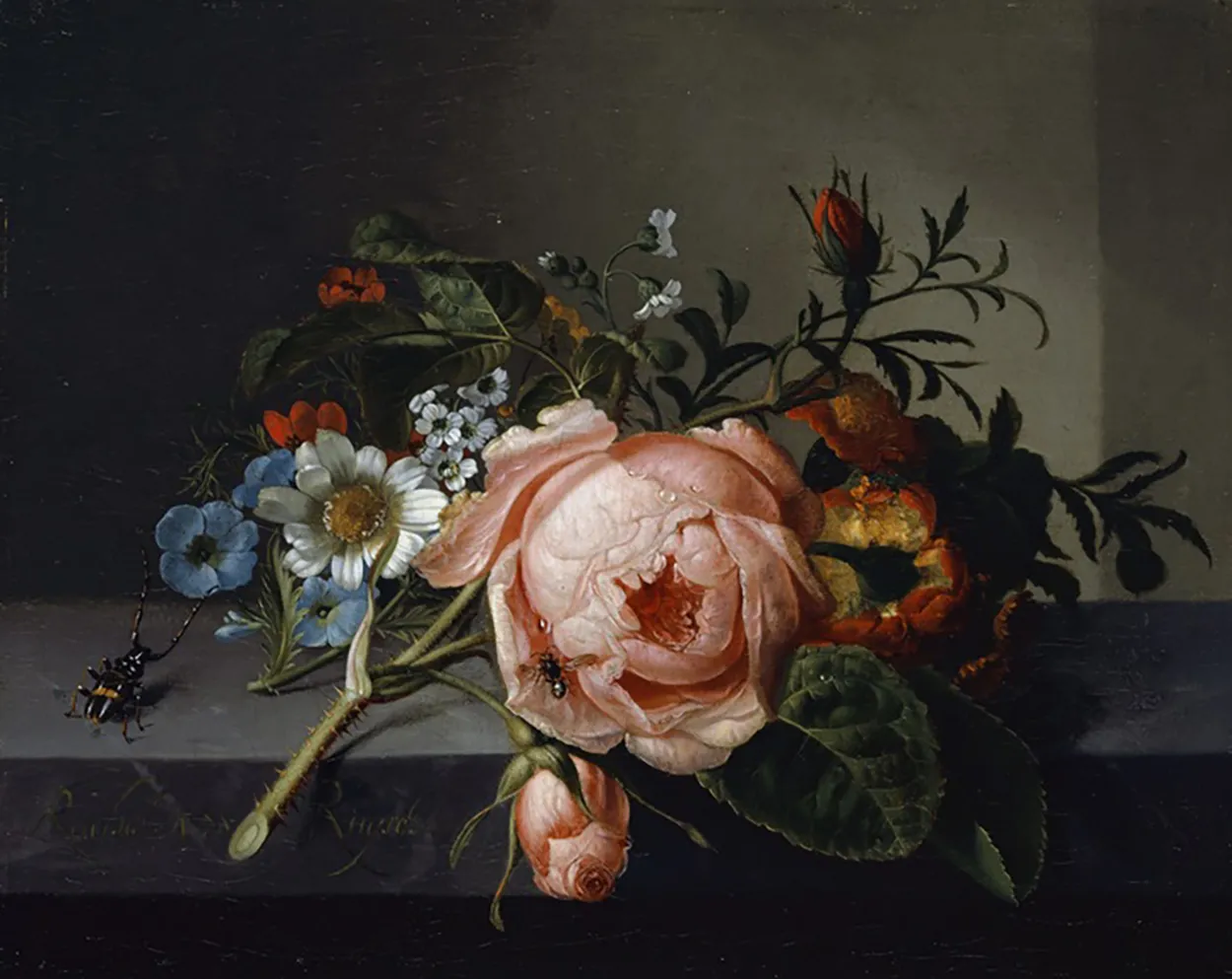
- Chiaroscuro (Light & Shadow)
Add shading to create contrast, letting some petals shine brightly while others disappear into the dark. Think about the mystery of the shadow—what might be hidden inside it if you look carefully?
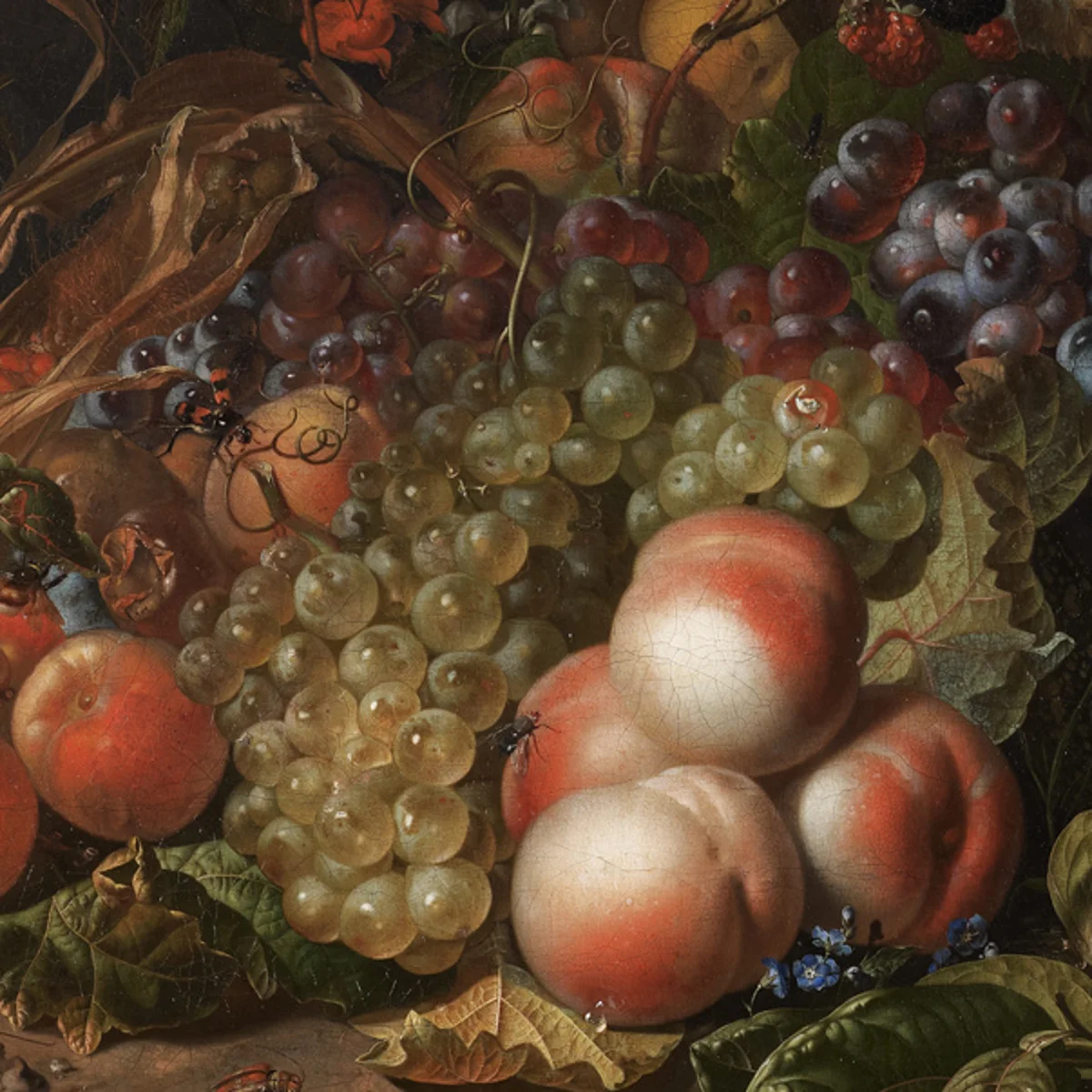
- Composition (Arrangement)
Notice how Rachel’s flowers rarely stand stiff and straight. Instead, they lean, twist, and overlap, giving the painting a sense of life and movement. Try arranging your flowers so they feel lively rather than still.
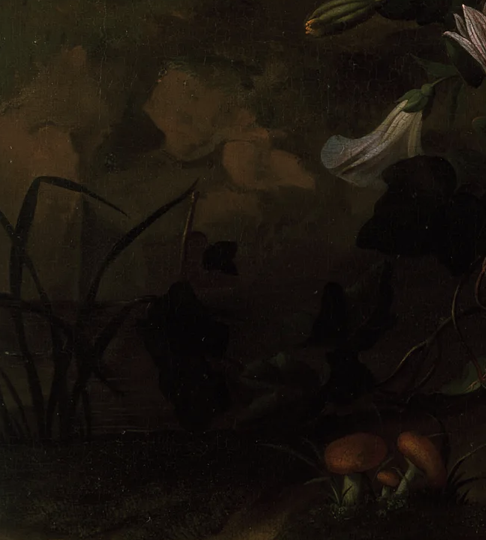
- Dramatic Background
Rachel often placed her flowers against a dark, moody background, which made the colors glow even more brightly. Experiment with your own background—how does the feeling change when the flowers stand in front of light, or in front of shadow?