Introduction
Artists give ideas a visual form through choices of subject, gaze, pose, material, scale, and arrangement. We will explore how a portrait and a sculptural mirror turn ideas about identity, relationships, and deception into something we can see and experience.
Student goals
- Separate what we can see from what we think an artwork might mean.
- Use materials, composition, and symbols to express an idea without simply writing its name.
Watch this before the class!
Warm-up: From Seeing to Meaning
In Lesson 1, we explored how artists transform the visible world. Today, we ask how their choices make ideas visible. An idea can appear in a realistic portrait or in an artwork made from unexpected materials. Looking abstract is not a requirement.
The word “friendship”, without writing it, what could you arrange, draw, or build to suggest it?
1 · Alice Neel: Can a Portrait Show More Than One Identity?
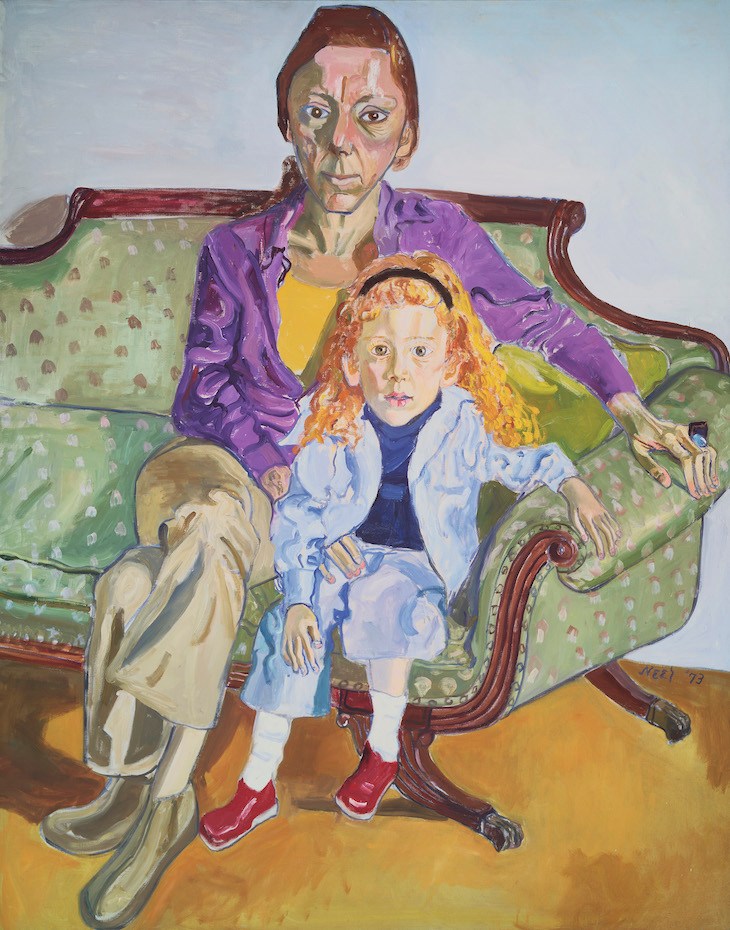
Look before learning the story
Look quietly first. Describe the two figures’ eyes, hands, poses, clothing, and positions on the sofa. Keep an observation such as “her eyes face toward us” separate from an interpretation such as “she seems confident.”
Meet the artist and sitters
Alice Neel painted candid portraits of people around her. Here she portrays art historian Linda Nochlin and her daughter Daisy. MFA draws attention to the contrasting gazes and Neel’s expressive brushwork and color. Nochlin challenged assumptions about women’s place in art history. Her influential 1971 essay, “Why Have There Been No Great Women Artists?”, examined barriers to artistic training and recognition. Its provocative title challenges an assumption; it does not claim women lack talent. Neel invited Nochlin and Daisy to sit after learning about Nochlin’s writing. They posed over six sessions, during which Neel entertained Daisy with fairy tales.
What to notice: The different gazes, the placement of heads and hands, the figures’ overlapping positions, purple and yellow clothing, and visible brushstrokes.
Look closely and wonder
- Where do you look first? Which visual choice draws you there?
- How are the two figures connected, and how does each keep her own presence?
- Now that you know who Nochlin was, what changes in your reading?
- How could a portrait show someone as a thinker, a family member, and an individual at the same time?
Try it: Make two small plans for a portrait of someone with more than one role in your life. Change pose, placement, gaze, or the relationship to another figure. Compare how the plans change your impression without adding written labels.
2 · Fred Wilson: Can a Mirror Show an Idea?
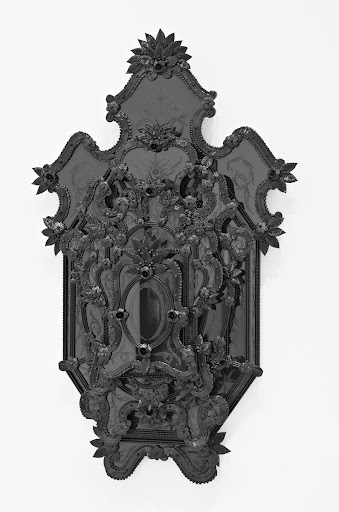
Start with an expectation: what should a mirror do?
Before reading the title, look for 30 seconds. Trace the outlines of the overlapping frames with your eyes. Notice flowers, curling ornament, and the contrast between decorative edges and dark central surfaces. From the permitted viewing area, look for a reflection and move a small step sideways if space allows. Describe exactly what you can see: a clear image, a dim image, a partial image, or no recognizable image from that position.
What did Wilson change?
Fred Wilson worked with Murano glassmakers in Venice to create this sculptural object, more than two meters tall. It combines ornate Venetian mirror forms in overlapping layers. He substituted black backing for traditional silver and intensified the darkness through layering. These choices change our encounter with an object normally associated with seeing ourselves.
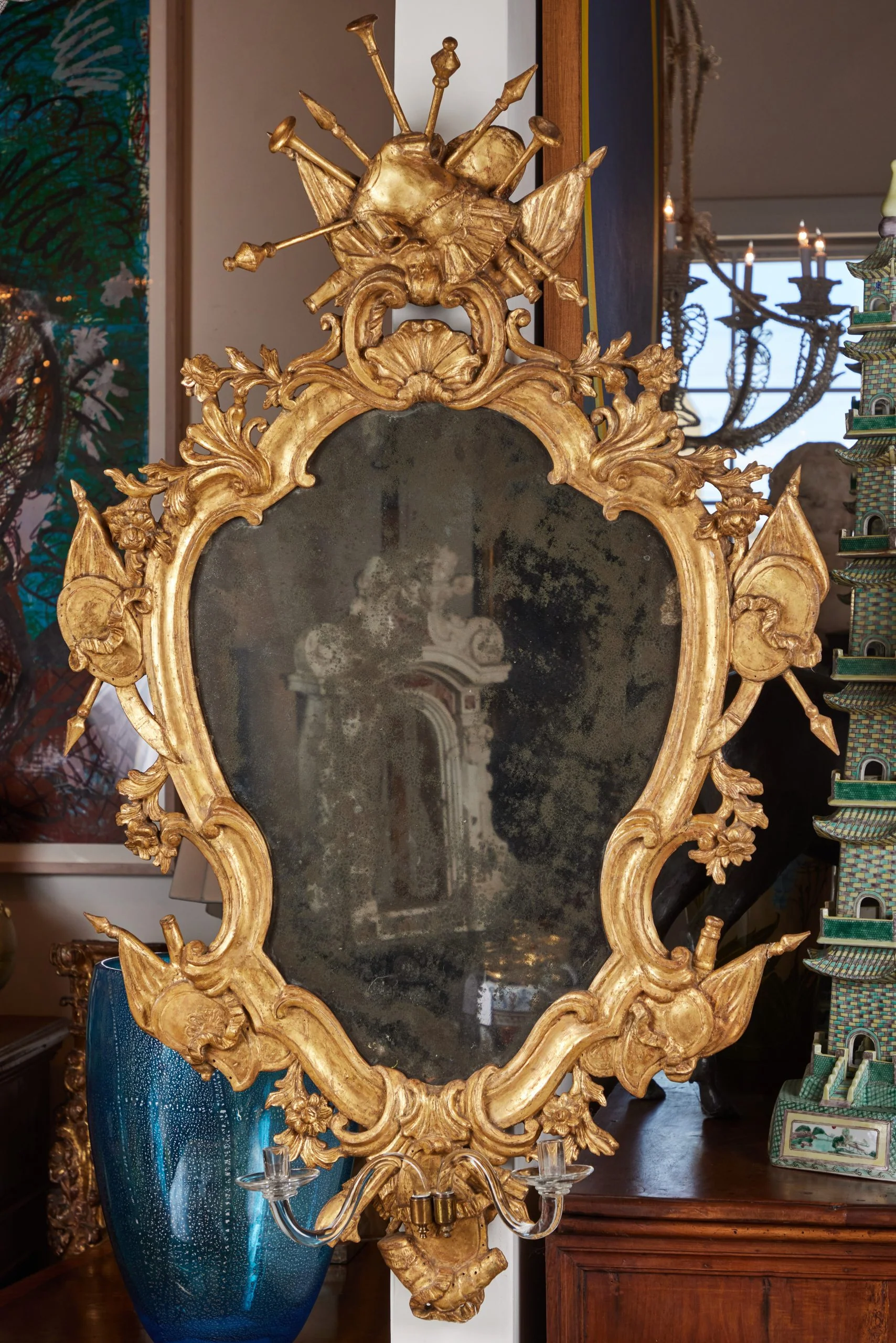
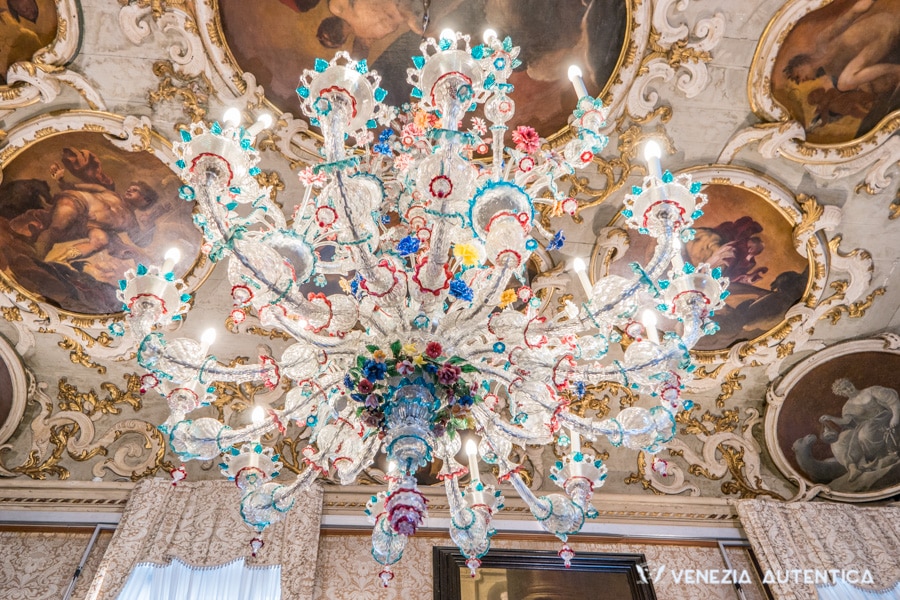

Who is Iago? A short story
Iago is a soldier in Shakespeare’s Othello. He resents being passed over for promotion and plots against his commander. Although he appears helpful, he plants suspicions that Othello’s wife, Desdemona, is unfaithful. A lost handkerchief becomes part of his fabricated evidence. Iago controls how Othello interprets what he hears and sees, with tragic consequences.
Racism is part of this manipulation: Iago targets Othello, a Black commander in the Venetian military, with racist hostility. MFA connects the mirror to Iago’s deception and desire for recognition, describing it as a portrait of a villain. The title names Iago, not Othello; this is an imagined character portrait made through an object, not a mirror documented as belonging to a real person.
Why use a mirror instead of painting Iago?-a metaphor for deception.
| What we can observe | What changes in our experience | An idea we can explore |
|---|---|---|
| A familiar mirror form with dark glass | We expect clarity, but may struggle to recognize a reflection | Something that promises to reveal can also conceal |
| Frames and surfaces layered over one another | One part hides or interrupts another; our view is incomplete | Selected fragments can shape a misleading impression |
| Elaborate flowers, curves, and ornament | The object can attract attention even while its surface feels difficult to read | An appealing appearance does not guarantee honesty |
| The title Iago’s Mirror, with no painted face | A name and a story change how we read the object | Materials and viewing experience can suggest character |
Look closely and wonder — in this order
- Observe: Which surfaces can you see clearly? Where does one frame cover another?
- Describe the experience: What did you expect to see in this mirror? What actually happened?
- Add the story: How does learning about Iago change your interpretation? Which part remains uncertain?
- Test a choice: Imagine one plain, bright silver mirror of the same size. Which ideas would become harder to express?
- Consider another reading: Does this object suggest Iago’s character, the way he misleads others, or the difficulty of judging appearances? Support your choice.
- Return to our main question: How has Wilson given an idea a visual form? Name one material or compositional choice and explain its effect.
Questioning How We See
Neel gives us a painted encounter with two people. Wilson changes the experience of looking into a mirror. Together, they invite us to consider what an image reveals, what it leaves uncertain, and how our assumptions shape interpretation.
Studio / At-home Project: Make an Idea Visible
For am class
 Shared in class
For pm class
 Shared in class