Introduction
Two connected lessons about artistic choices.
Artists can transform what the world looks like, and they can use those transformations to express ideas. These lessons explore two related questions, not two rigid categories of art.
Lesson 1: Beyond What We See
How do artists transform reality?
Nicolas de Staël, Genichiro Inokuma, and Remedios Varo: reorganizing shapes, suggesting places through marks and spaces, and giving familiar things unfamiliar rules.
Lesson 2: Making Ideas Visible
How can art express an idea?
Kehinde Wiley and El Anatsui: who deserves to be seen, what deserves to be valued, and how an artist's choices make these questions visible.
About the Lessons
Each lesson includes artwork images, artist information, short biographies, close-looking questions, making activities, and a home project. Student-facing content and teacher notes are in English. Age and timing remain planning suggestions rather than confirmed class arrangements.
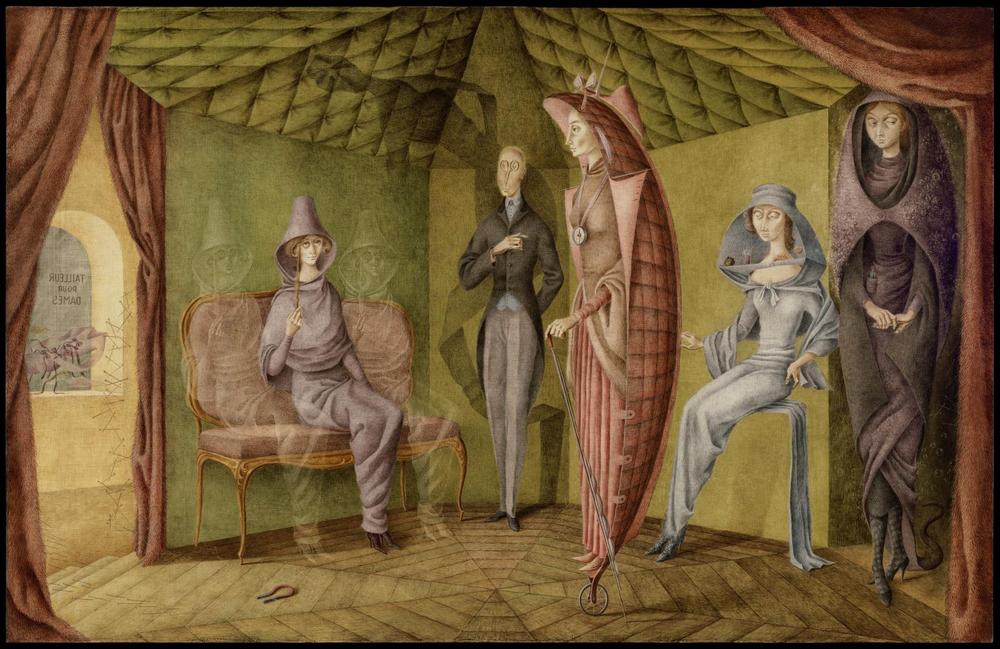 Voice of Art 1: Beyond What We See
Artists begin with the world around them, but they do not have to copy it.
AbstractionDreams & ImaginationShape & Form2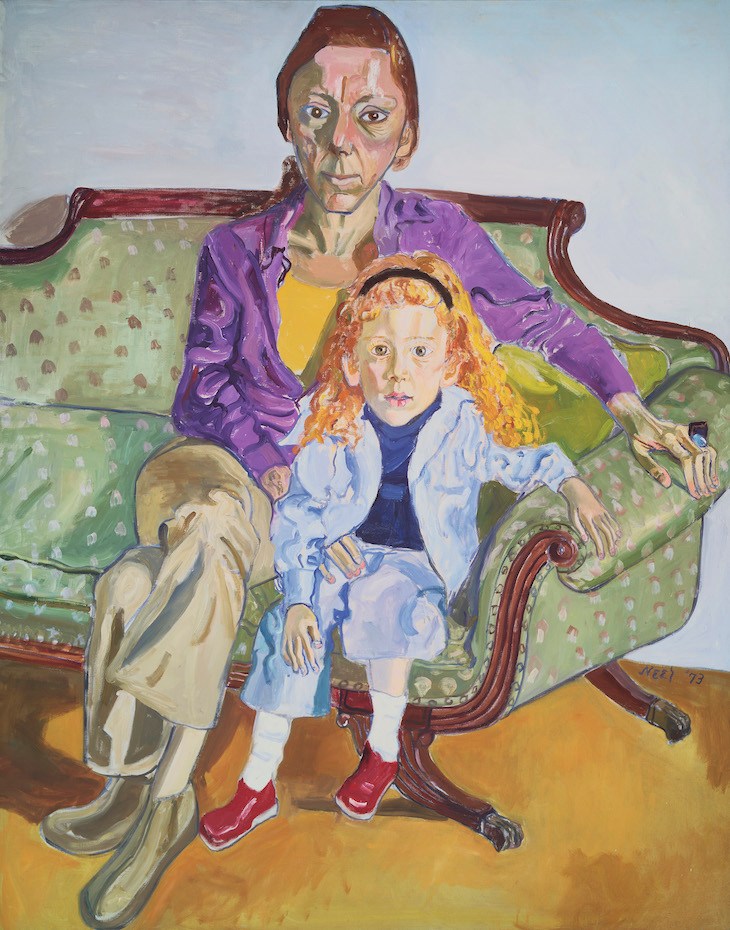 Voice of Art 2: Making Ideas Visible
We will explore how a portrait and a sculptural mirror turn ideas about identity, relationships, and deception into something we can see and experience.
Portraits & IdentityStorytellingSculptureTexture & Material