Goals
Artists begin with the world around them, but they do not have to copy it. They can reorganize shapes, leave things out, or invent new rules.
- Describe specific shapes, colors, marks, and spaces before deciding what a painting means.
- Compare three different ways of transforming reality.
- Explain one choice using “I kept …, changed …, because …”
When artists stop copying exactly what they see, what can they help us notice instead?
Warm-up: One Chair, Three Possibilities
Look at a toy. How could you make it look heavy, stinky, or magical without drawing it more realistically? Try a quick gesture or a tiny sketch. We will compare three artists’ choices, not rank pictures from “realistic” to “better.”
1 · Nicolas de Staël: Building with Color
Meet the artist
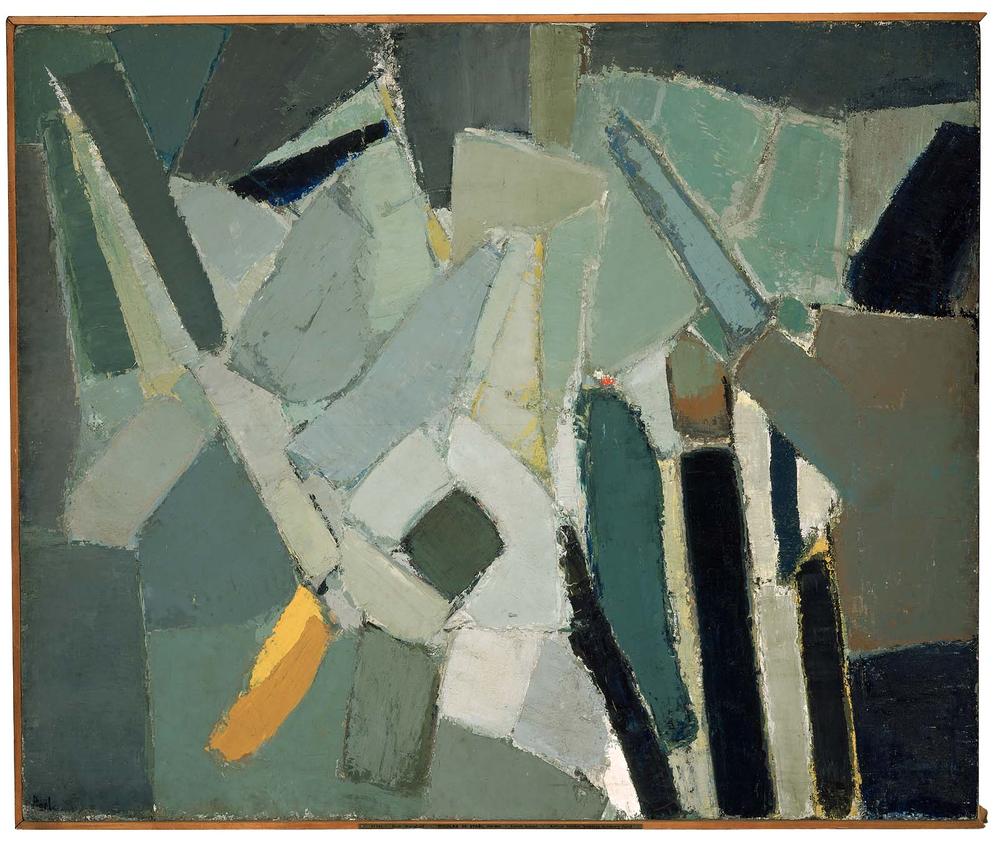
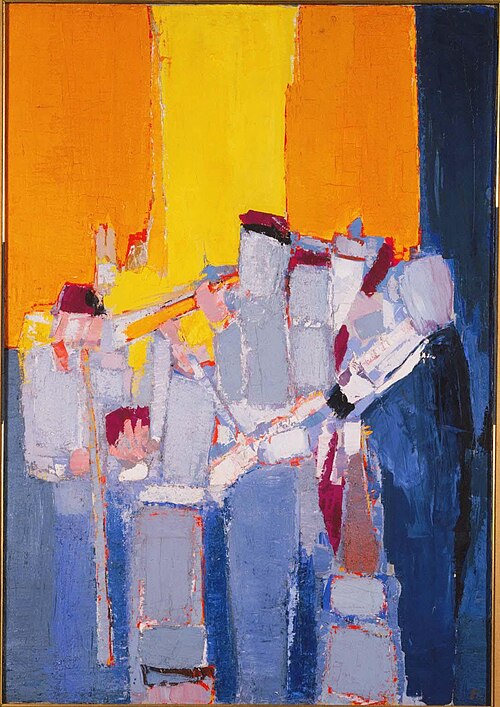
De Staël was born in Saint Petersburg, grew up in Brussels after his family left Russia, and later worked in France. He explored the relationship between recognizable subjects and abstract shapes. He did not treat observation and abstraction as opposites.
What to notice: Large gray-green shapes, rough edges, deep dark gaps, overlapping directions, and a small warm yellow accent. The picture can feel constructed even when we cannot name a particular building.
Look closely
- Which shape attracts your eye first? What makes it stand out?
- Which shapes seem to lean, overlap, or support one another?
- Imagine covering the yellow shape. How would the picture change?
- The artist lived in different places. How might your way of noticing a place change after moving? This is a question to explore, not proof of what this particular painting means.
2 · Genichiro Inokuma: Suggesting a Place with Marks and Space
Meet the artist
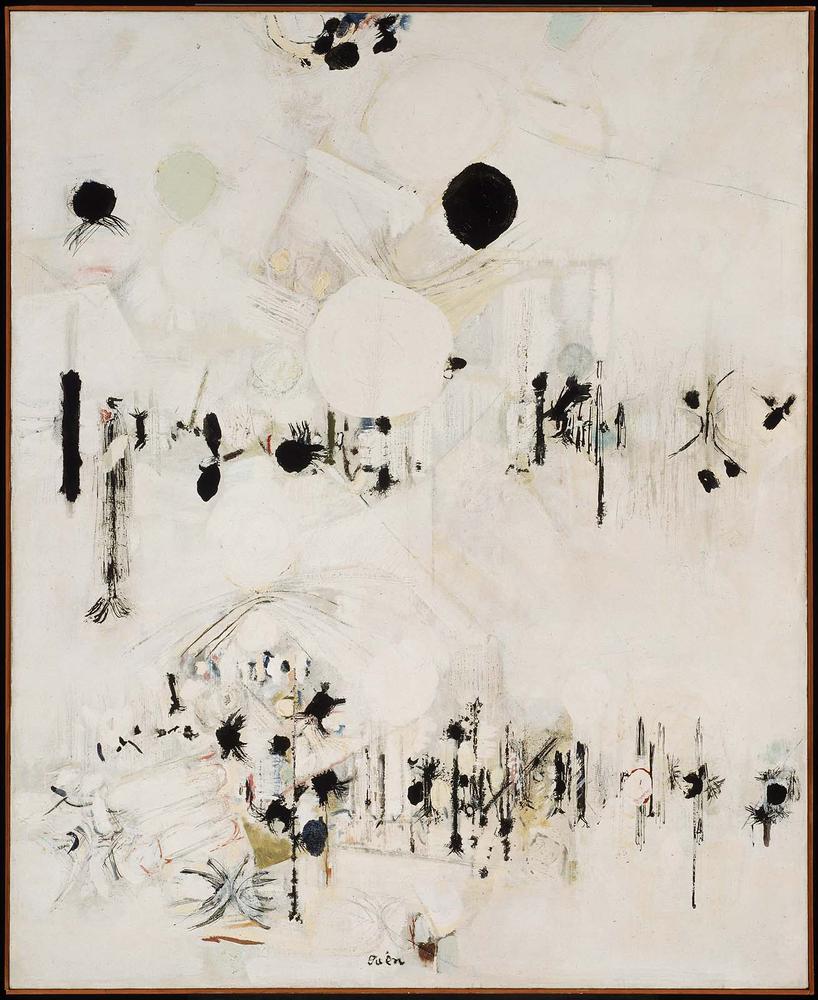
Inokuma was a Japanese painter who moved to New York in 1955. His work shifted strongly toward abstraction there. During nearly twenty years in the city, he developed friendships across the arts and helped connect Japanese and American cultural communities.
What to notice: Dark rounded marks, thin scratch-like lines, clusters, pale traces, and wide light spaces. Some areas feel busy; others give the eye room to rest.
Look closely and wonder
- Before looking at the title, what might this arrangement suggest? Point to a mark that supports your idea.
- Now read the title. Does “The Mountain” change what you notice?
- Where does the painting feel dense, and where does it feel open? What happens if you imagine filling every space?
- Inokuma changed his approach in a new city. If you visited somewhere unfamiliar, which details might you notice first: buildings, rhythms, colors, sounds, or movements?
Try it: Suggest a familiar place using only dots, short lines, and empty spaces. Do not draw its outer silhouette. Can your choices suggest a quiet lake or a busy playground?
3 · Remedios Varo: Keeping the Objects, Changing the Rules
Meet the artist
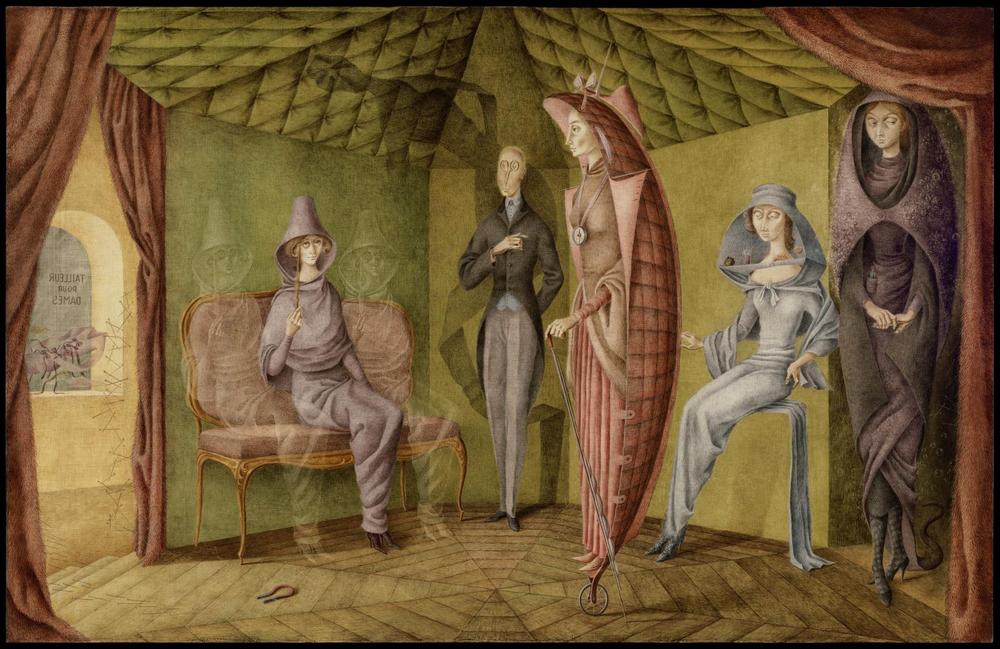
Varo grew up in Spain, where her engineer father taught her to draw. She studied art, joined Surrealist circles in Paris, and fled war in Europe, reaching Mexico in 1941. Her carefully drawn imaginary worlds bring ordinary-looking people and objects together with impossible transformations.
What to notice: A believable room, carefully modeled clothing, unusual silhouettes, and garments that seem to turn into other structures or objects. Here the dream comes from changing how familiar things work.
Look closely and wonder
- What looks ordinary at first? Where does an ordinary object become impossible?
- Choose one outfit. Follow its outline: where does clothing seem to turn into something else?
- Why might carefully painted shadows and floor tiles make the impossible changes more convincing?
- Varo learned precise drawing from an engineer. How might careful construction help an artist invent something that cannot exist?
Try it: Give an everyday object one impossible function. Sketch how the parts connect so that the transformation feels deliberate, not just decorated.
Compare: Three Voices, Not Three Rankings
- De Staël: How do shapes and color relationships organize what we see?
- Inokuma: How can marks and spaces suggest more than they describe?
- Varo: How can familiar things follow unfamiliar rules?
Which method would you use to show a place you know well? Why? Different interpretations are welcome when you can point to visual evidence.
At-home Project: Transform A Familiar Place
Choose your room, a route you walk, a lakeside, or another familiar place. Or use the images in the book below
- Decide what to keep so that your image still connects to that place.
- Change something on purpose: shape, color, spacing, scale, or a rule of reality.
Reflection: Did the change help someone notice the feeling, rhythm, or possibility you wanted to express? “Looks realistic” and “looks strange” are not the only ways to judge your work.
Books & Videos
A Maybe book:
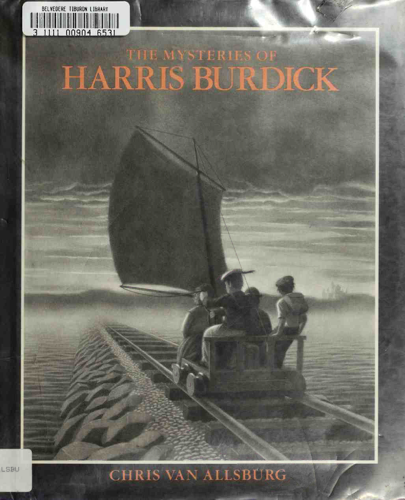 Shared in class